
Clamshell iPhone could be Apple's second foldable
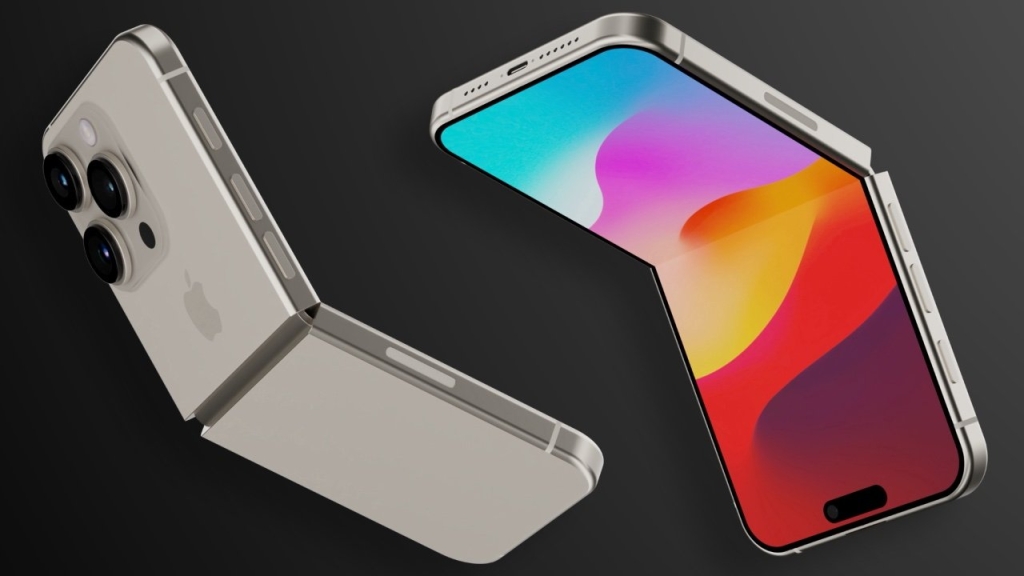
Apple’s Foldable Future: The iPhone Fold May Be Just the Beginning
In a surprising twist that’s sending shockwaves through the tech world, Apple’s rumored iPhone Fold might not be the company’s only venture into foldable territory. According to Bloomberg’s reliable Apple analyst Mark Gurman, Cupertino’s innovation labs are already looking beyond their first foldable smartphone to what could be an even more revolutionary device: a compact clamshell-style iPhone that could redefine portable computing.
While the tech community eagerly anticipates Apple’s first foray into foldable technology—the book-style iPhone Fold expected to debut sometime in the next year or two—Gurman’s latest “Power On” newsletter reveals that Apple engineers are simultaneously developing a second, distinctly different foldable concept. This smaller, square-shaped device would fold vertically like a traditional flip phone, offering users a more pocket-friendly alternative to the larger, tablet-like iPhone Fold.
The timing of this revelation is particularly intriguing. Apple is still months away from launching what would be its most radical iPhone redesign since the original iPhone’s introduction in 2007. Yet, according to Gurman, the company’s research and development teams are already exploring what comes next, demonstrating Apple’s characteristic long-term strategic thinking.
The clamshell design represents a fundamentally different approach to foldable technology. While the iPhone Fold would essentially transform from a standard smartphone into a small tablet when opened, the clamshell variant would maintain a more traditional phone footprint when closed, then expand to provide a larger display when needed. This design philosophy addresses one of the primary criticisms of current foldable phones: their often unwieldy size when opened.
Industry analysts suggest that Apple’s dual-foldable strategy could be a masterstroke in market segmentation. The iPhone Fold would appeal to power users and professionals who want maximum screen real estate for productivity tasks, media consumption, and creative work. Meanwhile, the clamshell model would target consumers who prioritize portability and one-handed usability but still want the benefits of a larger display when necessary.
The technical challenges involved in creating a clamshell iPhone are substantial. Unlike the book-style fold, which opens to reveal a single large display, a clamshell design requires two separate displays that work seamlessly together. When closed, users would need to interact with an external display for notifications and quick tasks, similar to how current flip phones operate. When opened, these displays would need to merge into a cohesive, high-quality viewing experience without visible seams or gaps.
Apple’s expertise in display technology, honed through years of developing everything from the iPhone to the iPad and Apple Watch, positions the company well to tackle these challenges. The company’s recent advancements in micro-LED technology and its investments in display manufacturing could play crucial roles in bringing a high-quality clamshell iPhone to market.
The potential market impact of Apple entering the clamshell foldable space cannot be overstated. While companies like Samsung, Motorola, and Huawei have already released flip-style foldable phones, none have achieved mainstream success. Apple’s entry into this category could be the catalyst that finally makes clamshell foldables a must-have device for consumers worldwide.
However, significant hurdles remain. The durability of foldable displays continues to be a concern for manufacturers and consumers alike. Apple would need to ensure that its clamshell design can withstand the rigors of daily use, including being repeatedly opened and closed thousands of times over the device’s lifetime. The company’s reputation for quality and reliability means it cannot afford to release a product that fails to meet the high standards set by its existing iPhone lineup.
Battery life presents another challenge. Foldables typically require larger batteries to power their expansive displays, but the clamshell design’s compact form factor when closed limits the space available for battery cells. Apple would need to leverage its expertise in power management and potentially develop new battery technologies to ensure the clamshell iPhone offers all-day battery life.
The software experience would be equally critical to the device’s success. iOS would need significant modifications to handle the unique form factor, including seamless transitions between the external and internal displays, optimized multitasking for the split-screen configuration when partially opened, and new gesture controls tailored to the clamshell design.
From a strategic perspective, Apple’s exploration of multiple foldable designs suggests the company sees foldables as more than just a passing trend. Rather than betting everything on a single form factor, Apple appears to be positioning itself to capture different segments of what could become a substantial new market for personal computing devices.
The timing of Gurman’s revelation is also noteworthy given Apple’s current position in the smartphone market. With iPhone sales growth slowing and increased competition from Android manufacturers, particularly in China, foldables represent a potential avenue for Apple to reinvigorate its flagship product line and drive upgrades among its massive installed base of iPhone users.
As exciting as these developments are, it’s important to note that Apple’s clamshell iPhone remains firmly in the research and development phase. The company regularly explores concepts and prototypes that never make it to market, and there’s no guarantee that this particular design will ever become a shipping product. However, the fact that Apple is investing resources into exploring multiple foldable form factors suggests the company is seriously committed to this technology.
For now, Apple fans and tech enthusiasts alike will need to remain patient. The iPhone Fold remains the immediate focus, with the clamshell variant potentially years away from release, if it ever materializes at all. But one thing is clear: Apple is thinking beyond the traditional smartphone form factor, and the future of mobile computing may be more foldable than anyone previously imagined.
Tags: #iPhoneFold #AppleFoldable #ClamshelliPhone #AppleInnovation #FutureOfSmartphones #FoldableTech #iOS #AppleRumors #TechNews #MobileComputing #SmartphoneRevolution #AppleInsider #MarkGurman #Bloomberg #TechRumors #iPhone #Apple #FoldableDevices #MobileTechnology #NextGeniPhone
Viral Sentences: “Apple’s planning a flip phone?!”, “The future is foldable and Apple knows it”, “Clamshell iPhone incoming?!”, “Apple’s not stopping at one foldable”, “Mark Gurman drops another bomb”, “iPhone Fold who? Apple’s got bigger plans”, “The smartphone is evolving again”, “Apple’s R&D labs are cooking something special”, “Two foldables? Apple’s going all in”, “The clamshell revolution is coming”, “Apple’s playing 4D chess with foldables”, “This changes everything we thought we knew about iPhone”, “The next iPhone might actually flip”, “Apple’s secret foldable project revealed”, “The tech world is not ready for this”, “Apple’s foldable future is brighter than we imagined”, “The clamshell iPhone could be the one we’ve been waiting for”, “Apple’s thinking beyond the book-style fold”, “The iPhone is about to get a serious makeover”, “This is why Apple invests billions in R&D”, “The future of mobile is unfolding before our eyes”, “Apple’s not just following trends, they’re setting them”, “The clamshell design could be Apple’s masterstroke”, “Get ready for the most exciting iPhone since the original”, “Apple’s foldable strategy is more complex than we thought”, “The smartphone paradigm is shifting and Apple’s leading the charge”
,

Leave a Reply
Want to join the discussion?Feel free to contribute!