
Cleveland’s mayor, Seattle’s future: A conversation about what happens when a city’s economy shifts
Seattle and Cleveland: A Tale of Two Cities at a Crossroads
In an unexpected twist of fate, a thought-provoking article on GeekWire has ignited a fascinating dialogue between two of America’s most storied cities. What began as a cautionary tale for Seattle has blossomed into a profound exchange of ideas, culminating in a candid phone conversation between the author of the piece and the mayor of Cleveland himself. This unexpected connection has revealed striking parallels between these seemingly disparate urban centers and offers valuable insights into the challenges and opportunities facing cities in an era of rapid technological change.
The Original Warning: Seattle’s Potential Fall from Grace
The story began with a guest column on GeekWire, penned by Seattle tech veteran and angel investor Charles Fitzgerald. In his piece, Fitzgerald drew a stark comparison between Seattle’s current position as a tech powerhouse and Cleveland’s heyday in the 1950s, when it was one of America’s largest and most prosperous cities. His warning was clear: Seattle, in its current state of complacency and success, risks following in Cleveland’s footsteps if it fails to adapt to changing economic realities.
Fitzgerald’s argument centered on the idea that Seattle, much like Cleveland of old, has become “fat, dumb, and happy” in its current prosperity. He cautioned that the city’s overreliance on its tech sector and failure to diversify its economy could leave it vulnerable to the same forces that led to Cleveland’s decline. The column struck a nerve, sparking intense debate within Seattle’s tech community and beyond.
Cleveland’s Comeback: A Story of Resilience and Reinvention
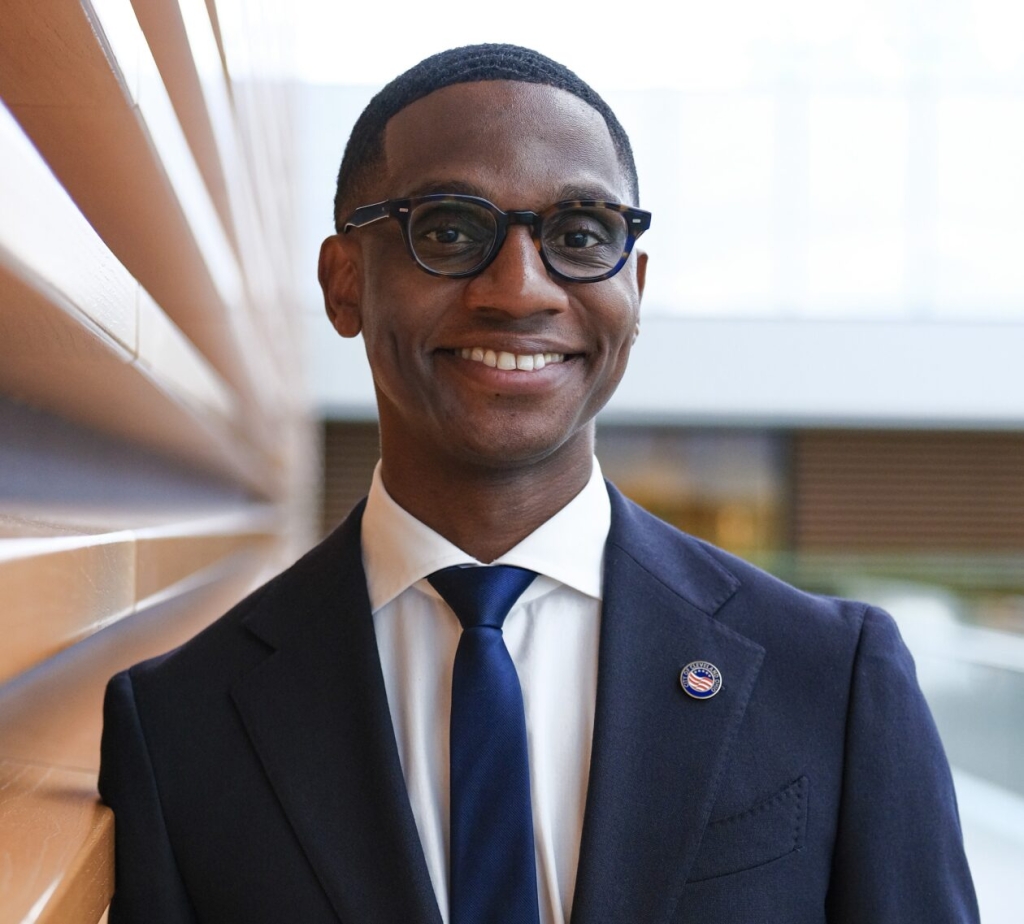
Enter Justin Bibb, the mayor of Cleveland, who took issue with the framing of Fitzgerald’s article. In a spirited response on LinkedIn, Bibb defended his city’s ongoing revival and extended an open invitation to Fitzgerald to witness Cleveland’s transformation firsthand. The mayor’s message was clear: Cleveland is not a cautionary tale, but rather a testament to the power of resilience and reinvention.
During a phone call with Fitzgerald, Mayor Bibb elaborated on Cleveland’s current trajectory. He acknowledged the mistakes of the past – the failure to pivot quickly enough in the face of changing economic tides – but emphasized that the city has learned from these experiences. Bibb painted a picture of Cleveland as a city on the rise, making a comeback through strategic investments and a focus on innovation.
The Parallels: Lessons from Seattle’s Past and Cleveland’s Present
As the conversation between Fitzgerald and Bibb unfolded, it became clear that the two cities share more in common than meets the eye. Bibb, a self-described student of history, drew parallels between Cleveland’s current efforts and Seattle’s recovery from the Boeing bust of the early 1970s. He noted how Seattle leveraged its research institutions and rode the technology boom to reinvent itself, a playbook that Cleveland is now attempting to follow.
The mayor’s envy of Seattle’s growth-related challenges was palpable. “Those are the problems I want to have in the future in Cleveland,” Bibb stated, highlighting his desire to create a strong economic foundation that can support future growth. This sentiment underscores the complex relationship between the two cities – while Seattle grapples with the downsides of rapid expansion, Cleveland is working tirelessly to create the conditions for such growth.
Cleveland’s Revival: A Multifaceted Approach to Urban Renewal
Mayor Bibb outlined several key initiatives driving Cleveland’s resurgence. These include:
-
Infrastructure Investment: A $1.6 billion airport modernization project aims to position Cleveland as a more attractive destination for business and tourism.
-
Waterfront Redevelopment: A $4 billion tax increment financing district is set to transform the city’s waterfront, potentially creating new economic opportunities and enhancing quality of life.
-
Corporate Relocation: The decision by Sherwin-Williams to bring 5, 000 employees into a new downtown skyscraper signals confidence in Cleveland’s future.
-
Sectoral Focus: The city is doubling down on aerospace, advanced manufacturing, and health-tech, leveraging institutions like the Cleveland Clinic and Case Western Reserve University.
These initiatives paint a picture of a city that has learned from its past and is actively working to create a more diverse and resilient economy. Bibb’s vision for Cleveland as a leader in America’s industrial revival challenges the outdated narrative of the city as “the mistake on the lake.”
Seattle’s Strengths and Challenges: A Complex Landscape
While Cleveland looks to the future with optimism, Seattle faces its own set of challenges and opportunities. The city’s tech sector remains a powerhouse, with giants like Microsoft and Amazon leading the way in AI and cloud computing. Seattle also boasts strengths in fusion energy, space technology, and biotech, anchored by institutions like the University of Washington and Fred Hutch Cancer Center.
However, Fitzgerald’s warning resonates within this context. The city’s overreliance on tech, coupled with concerns about local and state policies potentially undermining startup growth, creates a complex landscape. The ongoing debate over tax policies in Olympia, aimed at high-income earners and businesses, has many in Seattle’s tech community worried about the city’s ability to nurture the next generation of innovation.
The AI Factor: A Double-Edged Sword
The current AI frenzy adds another layer of complexity to this urban narrative. Both Cleveland and Seattle are positioning themselves to capitalize on the AI revolution, but in different ways. Seattle, with its concentration of tech talent and capital, is well-positioned to lead in AI development. However, this very strength could become a vulnerability if the city fails to diversify its economy.
Cleveland, on the other hand, sees AI as an opportunity to leapfrog into new industries and revitalize its manufacturing base. The city’s focus on advanced manufacturing and health-tech could provide a unique advantage in applying AI to traditional industries.
A Call for Action: Preparing for the Next Act
The exchange between Fitzgerald and Mayor Bibb ultimately boils down to a call for action. For Seattle, it’s a reminder that prosperity is not guaranteed and that proactive measures are needed to ensure long-term economic resilience. For Cleveland, it’s validation of the path it has chosen – one of reinvention and strategic investment.
Fitzgerald’s goal of getting people to “wake up and prepare the city for the next act” resonates with both cities. While their current situations differ, the underlying message is universal: cities must continually evolve and adapt to remain relevant in an ever-changing economic landscape.
Looking Ahead: A Tale of Two Cities, One Shared Future
As the conversation between Seattle and Cleveland continues, it offers valuable lessons for cities across America. The exchange highlights the importance of:
-
Economic Diversification: Both cities recognize the need to build economies that are not overly reliant on a single sector.
-
Strategic Investment: Targeted investments in infrastructure, education, and key industries can drive long-term growth.
-
Leveraging Unique Strengths: Each city must identify and capitalize on its unique assets and institutional advantages.
-
Adaptability: The ability to pivot and reinvent in the face of economic challenges is crucial for long-term success.
-
Collaboration: The dialogue between Fitzgerald and Mayor Bibb demonstrates the value of cross-city learning and collaboration.
As Cleveland works to write its comeback story and Seattle grapples with the challenges of maintaining its position at the forefront of innovation, both cities offer valuable insights into the complex dynamics of urban economic development in the 21st century. Their shared experiences and divergent paths provide a fascinating case study in urban resilience and reinvention.
The unexpected connection between these two cities serves as a powerful reminder that in an increasingly interconnected world, the challenges and opportunities facing urban centers are more similar than they might appear. As both Cleveland and Seattle look to the future, their ongoing dialogue may well shape the narrative of American urban revival in the decades to come.
Tags and Viral Phrases:
- Seattle’s tech dominance at risk
- Cleveland’s industrial comeback story
- Urban resilience and reinvention
- The next American city rivalry
- From “Mistake on the Lake” to innovation hub
- Seattle complacency vs. Cleveland resurgence
- AI revolution: Opportunity or threat for legacy cities?
- Cross-city collaboration for urban success
- Economic diversification: The key to city survival
- Learning from past urban decline
- Strategic investments shaping city futures
- The Boeing bust and Cleveland’s industrial decline: Parallel lessons
- Tax policies: Friend or foe of innovation?
- Health-tech and advanced manufacturing: New urban growth engines
- Waterfront redevelopment: Catalyst for urban revival
- Corporate relocations signaling city confidence
- The role of research institutions in city transformation
- Adapting to the AI era: Different strategies, shared goals
- Urban growth challenges: Envy or warning?
- The changing narrative of American cities
,


Leave a Reply
Want to join the discussion?Feel free to contribute!