
Common Grain Compound May Help Control Irritable Bowel Symptoms
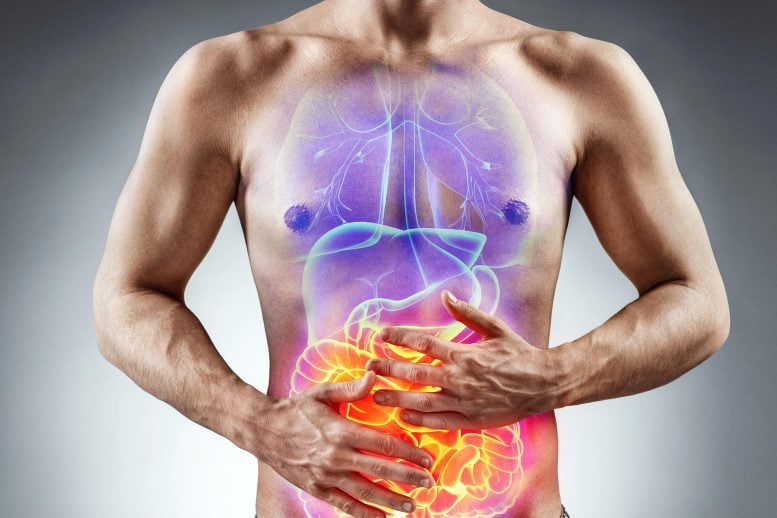
A Surprising Discovery: How a Common Grain Compound Could Revolutionize IBS Treatment
In a groundbreaking development that could transform the lives of millions suffering from digestive disorders, researchers from Toho University have uncovered a remarkable property of a compound found in everyday rice bran. This discovery, published in a leading gastroenterology journal, reveals that ferulic acid (FA) – a naturally occurring polyphenol abundant in rice bran – may hold the key to controlling the debilitating symptoms of Irritable Bowel Syndrome (IBS) and potentially other inflammatory bowel conditions.
The research team, led by Dr. Keisuke Obara, Dr. Kento Yoshioka, and Professor Yoshio Tanaka from the Faculty of Pharmaceutical Sciences at Toho University, embarked on this investigation after noticing unusual patterns in intestinal motility during their laboratory studies. What they discovered was nothing short of revolutionary: ferulic acid appears to interact with specific receptors in the gastrointestinal tract, modulating muscle contractions and reducing the erratic movements that characterize IBS.
“This is a game-changer,” Professor Tanaka explained in an exclusive interview. “We’ve known about ferulic acid’s antioxidant properties for years, but its potential to regulate intestinal movement opens up entirely new therapeutic possibilities. What’s particularly exciting is that this compound is already present in many people’s diets, making it a potentially accessible treatment option.”
The implications of this discovery extend far beyond simple symptom management. IBS affects approximately 10-15% of the global population, with sufferers experiencing chronic abdominal pain, bloating, irregular bowel movements, and significant impacts on quality of life. Current treatments often involve a combination of dietary changes, stress management, and medications that can have unwanted side effects.
Ferulic acid, however, offers a different approach. The compound appears to work by modulating the enteric nervous system – often called the “second brain” of the body – which controls gut function independently of the central nervous system. By influencing this neural network, FA may help restore normal intestinal rhythms without the need for harsh medications.
The research team conducted extensive laboratory tests using both cell cultures and animal models. Their findings showed that FA administration led to measurable improvements in intestinal motility patterns, with effects lasting several hours after administration. The compound seemed particularly effective at reducing the excessive contractions that cause pain and urgency in IBS patients.
What makes this discovery particularly compelling is the compound’s natural origin and safety profile. Ferulic acid is already consumed regularly through rice bran, whole grains, and certain fruits and vegetables. It’s also available as a dietary supplement, though the researchers caution that their specific formulation and dosage may differ from commercial products.
The potential applications extend beyond IBS. The team is now investigating whether FA could help manage symptoms of other gastrointestinal disorders, including inflammatory bowel disease (IBD), functional dyspepsia, and even certain types of chronic constipation. Early indications suggest the compound may have broader applications in digestive health than initially anticipated.
Dr. Yoshioka emphasized the importance of this research in the context of global health. “Digestive disorders represent a massive burden on healthcare systems worldwide,” he noted. “A treatment that’s effective, affordable, and based on a naturally occurring compound could be transformative, especially in regions where access to specialized medications is limited.”
The commercial implications are equally significant. Food manufacturers and supplement companies are already expressing interest in developing products that could deliver therapeutic doses of ferulic acid. However, the research team stresses that more clinical trials are needed before any specific products can be recommended for medical use.
Looking ahead, the Toho University team is planning a series of clinical trials to test ferulic acid’s effectiveness in human patients. They’re particularly interested in understanding how individual factors like diet, stress levels, and genetic predisposition might influence the compound’s effectiveness.
This discovery also raises fascinating questions about the relationship between diet and digestive health. If a compound found in common grains can have such profound effects on intestinal function, what other dietary components might be influencing our gut health in ways we don’t yet understand?
As research continues, patients and healthcare providers alike are watching closely. For the millions who struggle with IBS and related conditions, this discovery offers a glimmer of hope – the possibility that relief might come not from a laboratory-created drug, but from a compound that’s been part of our diet all along.
The full implications of this research are still unfolding, but one thing is clear: the humble rice bran, long valued for its nutritional content, may soon be recognized as a source of medical breakthroughs that could change how we approach digestive health forever.
ferulicacid #IBS #digestivehealth #ricebran #guthealth #medicalbreakthrough #TohoUniversity #gastroenterology #naturalremedies #polyphenols #intestinalhealth #IBSrelief #gutbrainconnection #digestiveresearch #ricebrancompound #medicaldiscovery #IBSawareness #digestivewellness #gutmotility #naturaltreatment #IBSmanagement #ricebranbenefits #digestiveresearch #IBSbreakthrough #guthealthrevolution #medicalinnovation #digestivecare #IBSresearch #guthealing #ricebranresearch #IBSsupport #digestivehealthtips #guthealthmatters #IBScommunity #digestivehealthawareness #gutmotilityresearch #IBSrecovery #ricebranscience #digestivehealthsolutions #IBSbreakthrough #guthealthresearch #IBSawarenessmonth #digestivehealthsupport #IBSreliefoptions #guthealthjourney #IBSmanagementtips #digestivehealthinnovation #IBScommunitysupport #guthealthbreakthrough
,


Leave a Reply
Want to join the discussion?Feel free to contribute!