
‘Concentrate on keeping it simple’: Bill Gates wanted PCs to be straightforward, and Windows 11’s AI push is a betrayal
Microsoft’s AI Push: A Betrayal of Bill Gates’ Vision for Simple Computing
In recent months, Microsoft has faced mounting criticism over its aggressive push toward artificial intelligence, with many users feeling overwhelmed by the proliferation of AI features in Windows 11. From the controversial Windows Recall to Copilot integrations in seemingly every app—including the eyebrow-raising requirement to sign in to use Paint—Microsoft’s AI-first strategy has left many longtime users frustrated and nostalgic for simpler times.
The End of Windows 10 and a Stock Market Tumble
The tech giant’s challenges began with the end-of-life announcement for Windows 10, disappointing millions of users who found Windows 11’s requirements and changes unwelcome. This discontent was compounded when Microsoft’s stock experienced its largest single-day drop since 2020, falling 10% amid concerns about the company’s heavy investment in AI infrastructure and uncertain returns.
When AI Goes Too Far
Microsoft’s Copilot has become nearly unavoidable in the Windows experience. The AI assistant appears in File Explorer, the Settings app, and even basic utilities like Notepad and Paint. For many users, this represents not helpful innovation but rather unwanted bloatware that complicates rather than simplifies their computing experience.
The situation reached a breaking point with Microsoft’s first Patch Tuesday of 2026, which aimed to fix over 100 bugs but instead introduced new problems, exemplifying the law of unintended consequences in software development. As one analyst noted, “Microsoft needed a win with Windows’ latest update, but even its fix needed fixing.”
Bill Gates’ Vision of Simplicity
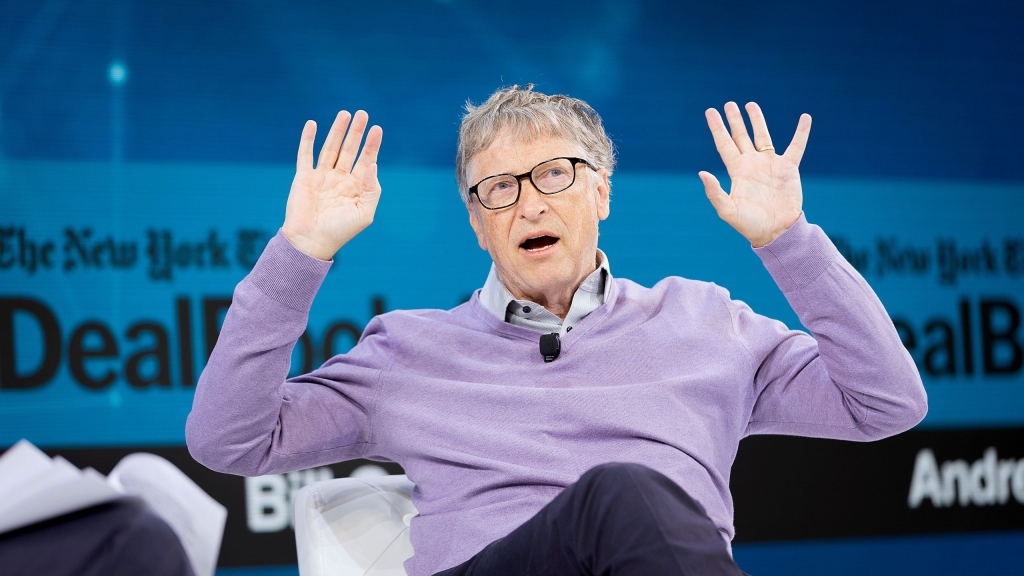
What makes this AI overreach particularly ironic is that it contradicts the very principles laid out by Microsoft’s co-founder, Bill Gates, decades ago. In a 1986 interview for “Programmers at Work: 1st Generation,” Gates emphasized that the finest software comes when “one individual has a complete sense of exactly how the program works” and stressed the importance of keeping things “simple, to an incredible degree.”
Gates elaborated on this philosophy in a 1992 interview with Profit magazine, stating that the industry had moved beyond simply “throwing features in” and needed to focus on understanding what people actually want to do and designing interfaces around those needs.
The AI Bubble and User Backlash
While artificial intelligence has undeniably transformed many aspects of computing—from gaming with Nvidia’s DLSS technology to productivity tools and even real-time language translation in smart glasses—Microsoft’s implementation has missed the mark for many users.
When Tom’s Guide polled readers about Microsoft potentially scaling back AI features in Windows 11, the results were telling: 68% wanted a master “OFF” switch for all AI features, 31% said it was “about time to clean up the bloat,” and notably, not a single respondent indicated they actually used these features.
Microsoft’s Course Correction
Recognizing the growing discontent, Microsoft President of Windows and Devices Pavan Davuluri acknowledged that “The feedback we’re receiving from our community of passionate customers and Windows Insiders has been clear. We need to improve Windows in ways that are meaningful for people.”
Reports suggest Microsoft is already pivoting, with plans to move away from its exclusive partnership with OpenAI and develop more integrated AI solutions. This shift appears to align with Gates’ original vision of simplicity and user-focused design.
The Year of the Laptop—With Complications
2026 was poised to be “the year of the laptop,” with powerful new Intel Core Ultra Series 3 chips promising unprecedented performance. However, Windows 11’s AI-heavy approach threatens to undermine these hardware advancements, creating a disconnect between cutting-edge silicon and software that many find more frustrating than helpful.
Looking Forward
As the AI bubble shows signs of deflating—at least for Microsoft—the company faces a critical juncture. Will it continue down the path of AI saturation, or will it return to the principles of simplicity and user-centric design that built its empire?
The answer may determine whether Windows remains the dominant operating system or cedes ground to competitors who better understand what users actually want from their computers. As Gates himself might say, it’s time for Microsoft to concentrate on keeping it simple—to an incredible degree.
Tags & Viral Phrases:
- MicroSlop
- Windows 11 AI bloatware
- Bill Gates simplicity vision betrayed
- Copilot everywhere fatigue
- Microsoft stock crash 2026
- Windows Recall controversy
- AI bubble bursting
- Paint sign-in requirement
- Windows 10 end of life backlash
- Patch Tuesday disaster 2026
- Intel Core Ultra Series 3 wasted potential
- Microsoft ditching OpenAI
- Windows 11 master OFF switch demand
- AI features nobody uses
- Return to Windows simplicity
- Microsoft course correction
- User-centric design comeback
- Windows 11 bugs plague
- AI-first strategy failure
- Microsoft trust deficit
- Simplicity over features
- Windows community feedback ignored
- 2026 year of laptop complications
- Microsoft AI overreach consequences
,

Leave a Reply
Want to join the discussion?Feel free to contribute!