
Counterpoint: 1 in every 4 active smartphones is an iPhone
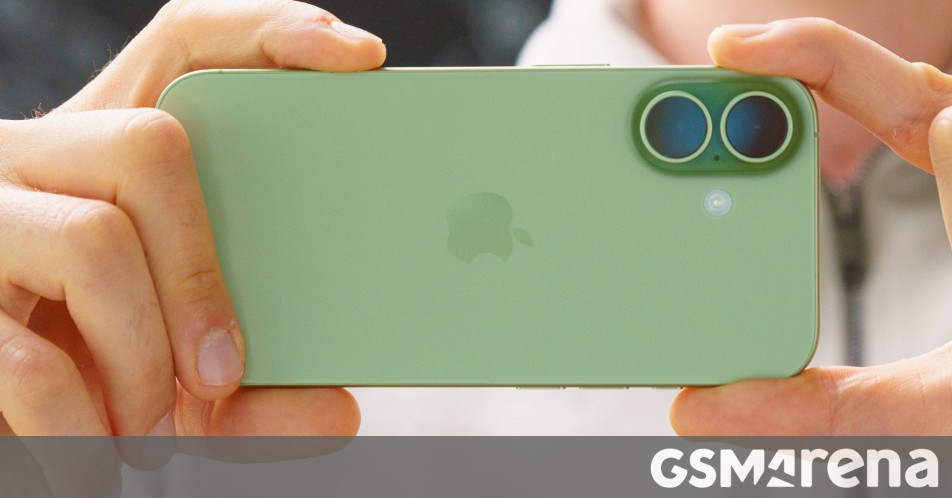
Apple’s Global Domination: The iPhone Now Powers 1 in 4 Active Smartphones Worldwide
In a stunning testament to its enduring appeal and ecosystem strength, Apple has cemented its position as the undisputed leader in the global smartphone market. According to the latest findings from Counterpoint Research’s Smartphone Installed Base Tracker, one in every four active smartphones used in 2025 was an iPhone, marking a watershed moment in the company’s history.
The Cupertino giant’s dominance extends far beyond mere sales figures. While Apple’s 2025 smartphone shipments already established it as the market leader, this new data reveals something even more impressive: the depth and longevity of its user base. The installed base metric, which counts devices currently in active use, provides a more accurate picture of a brand’s true market penetration and customer loyalty.
Apple and Samsung stand alone in what industry analysts call the “billion active devices club,” a rarefied group that speaks volumes about their market position. Together, these two tech titans command an astonishing 44% of the global active smartphone installed base. This duopoly isn’t just about market share—it’s about creating ecosystems so compelling that users rarely consider switching.
What makes Apple’s achievement particularly remarkable is the quality of its growth. Counterpoint analysts revealed that in 2025, Apple added more net new smartphones to its active installed base than the next seven leading original equipment manufacturers (OEMs) combined. This isn’t just winning the race; it’s lapping the competition multiple times over.
The secret to Apple’s success lies in its carefully cultivated ecosystem. From seamless device integration to consistent software updates that keep older iPhones running smoothly for years, Apple has created a user experience that’s notoriously difficult to replicate. The company’s focus on privacy, security, and premium build quality further reinforces customer loyalty, making iPhone users some of the most committed in the tech world.
Following Apple and Samsung in the installed base rankings is Xiaomi, which has carved out a significant position through its aggressive pricing strategy and rapidly expanding ecosystem. The Chinese manufacturer has successfully transitioned from being seen as a budget brand to offering premium devices that compete directly with Apple and Samsung in key markets.
Oppo and vivo round out the top five, representing the strength of Chinese manufacturers in the global smartphone landscape. These brands have distinguished themselves through innovative camera technology, fast-charging solutions, and stylish designs that appeal to younger consumers. Their diverse product portfolios span every price segment, from entry-level devices to flagship killers.
The sixth position belongs to an unexpected contender: Transsion Group. This company, relatively unknown in Western markets, has achieved remarkable growth through its Tecno, itel, and Infinix brands, particularly in the Middle East, Africa, and Southeast Asia. Transsion’s success story is one of understanding local markets and delivering features that resonate with regional consumers, often at price points that make smartphones accessible to first-time buyers.
Huawei and Honor complete the top eight, representing a fascinating case study in corporate resilience. Despite facing significant challenges in recent years, including sanctions that limited its access to Google services and cutting-edge semiconductor technology, Huawei has maintained a substantial installed base. Honor, spun off from Huawei, has emerged as an independent force with over 200 million active devices—a remarkable achievement for a brand that didn’t exist independently until recently.
Looking beyond the top eight, Counterpoint analysts highlight two brands poised for significant growth. Motorola and Realme, while currently outside the top tier, are on track to join the coveted 200+ million active users club soon. Their trajectories suggest that the smartphone market, while dominated by giants, still has room for ambitious challengers.
The implications of these findings extend far beyond bragging rights. A large installed base translates directly into ecosystem strength, app developer interest, and long-term revenue streams through services. Apple’s massive installed base ensures continued developer support for iOS, strengthens its services business (which includes everything from Apple Music to iCloud), and creates a virtuous cycle where more users attract more developers, which in turn attracts more users.
For competitors, these numbers present both a challenge and an opportunity. While overtaking Apple’s installed base seems improbable in the near term, the data reveals that consumer preferences vary significantly by region and price segment. Brands that can identify and serve underserved niches—whether that’s ultra-premium devices, budget-friendly options, or region-specific features—can still achieve substantial growth.
The smartphone market in 2025 reflects a maturing industry where brand loyalty, ecosystem integration, and long-term device support matter as much as hardware specifications. Apple’s dominance of the installed base is a testament to its ability to create products that users don’t just buy, but adopt into their daily lives in ways that make switching to competitors increasingly difficult.
As we look to the future, the installed base data suggests that the smartphone market will continue to be shaped by a handful of powerful ecosystems, with Apple and Samsung leading the charge. However, the strong performances of brands like Xiaomi, Transsion, and the rising stars Motorola and Realme indicate that innovation and market understanding can still create significant opportunities, even in a market that might seem saturated to outsiders.
The smartphone installed base isn’t just a number—it’s a reflection of billions of user choices, brand promises kept or broken, and the ongoing evolution of how we connect with technology and each other. In 2025, Apple’s position at the top of this mountain isn’t just impressive; it’s historic.
AppleDominates #iPhonePower #SmartphoneWars #TechGiants #MarketLeadership #EcosystemVictory #AppleVsSamsung #MobileRevolution #InstalledBase #TechTrends2025 #DigitalDomination #SmartphoneStatistics #BrandLoyalty #TechIndustry #MobileMarket #AppleEcosystem #GlobalTech #SmartphoneData #MarketAnalysis #TechNews #DigitalFuture #MobileInnovation #BrandPower #TechStatistics #SmartphoneMarket #AppleVictory #TechDominance #MarketShare #DigitalEcosystem #MobileTechnology
,

Leave a Reply
Want to join the discussion?Feel free to contribute!