
Creatine Supplements Are Everywhere. Do I Need Them? (2026)
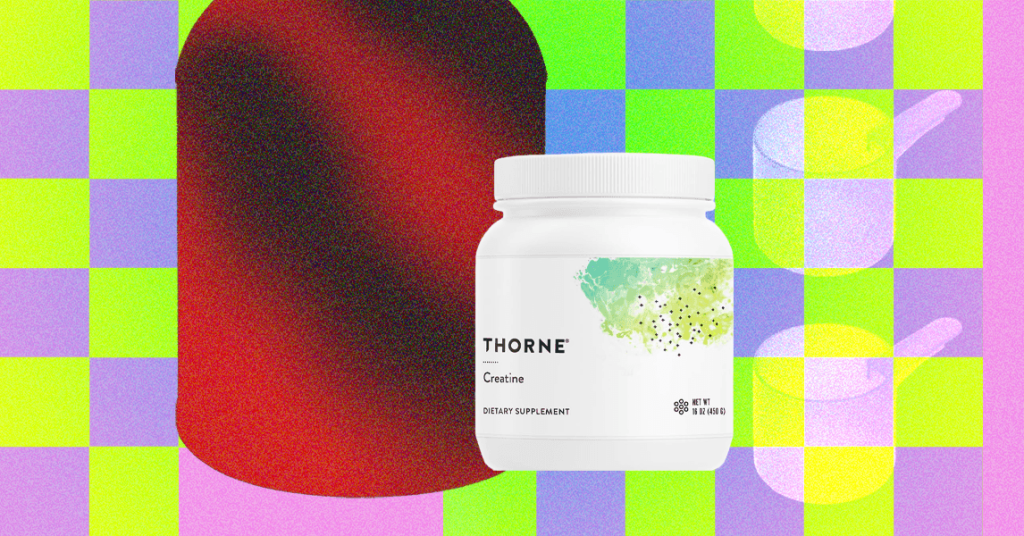
The Science-Backed Truth About Creatine: Why It’s More Than Just a Gym Supplement
Updated February 2026: We’ve added Onnit Creatine to our Honorable Mentions and refreshed all links and pricing information.
If you’ve ever stepped foot in a supplement store or scrolled through fitness content online, you’ve undoubtedly encountered creatine. But what exactly is this ubiquitous powder, and why has it become one of the most researched and recommended supplements in both athletic and medical communities?
What Creatine Actually Is
Creatine isn’t some synthetic laboratory creation—it’s a compound your body naturally produces in your liver, kidneys, and pancreas, explains Federica Amati, a medical scientist and registered public health nutritionist. Your body synthesizes approximately one gram daily from three amino acids: arginine, glycine, and methionine.
Here’s where it gets interesting: about 95% of your body’s creatine stores reside in your skeletal muscles, where it exists as phosphocreatine. The remaining small fraction is distributed throughout your brain tissue and testes. You also obtain creatine through your diet, primarily from animal-based foods like red meat, fish, and poultry.
For most healthy individuals, this natural production and dietary intake is sufficient for basic physiological functions. However, supplementation can provide significant advantages for specific populations and goals.
The Cellular Energy Revolution
To understand why creatine matters, you need to grasp how your cells produce energy. Adenosine triphosphate (ATP) serves as your body’s primary energy currency, powering everything from muscle contractions to nerve signals and protein synthesis for tissue repair.
During high-intensity exercise, your ATP stores deplete rapidly. The molecule breaks down into adenosine diphosphate (ADP), leaving your cells temporarily energy-starved. This is where creatine phosphate steps in as your cellular emergency generator.
Creatine phosphate can rapidly donate a phosphate group to ADP, converting it back into ATP almost instantaneously. The more phosphocreatine stored in your muscle cells, the faster and more efficiently you can regenerate ATP during intense activity. Think of it as having a larger fuel tank for explosive movements.
The Monohydrate Monarchy
Walk into any supplement retailer today, and you’ll encounter a bewildering array of creatine forms: creatine hydrochloride, magnesium creatine chelate, creatine citrate, creatine nitrate, creatine ethyl ester, and buffered creatine variants. Each claims superior absorption or reduced side effects.
However, creatine monohydrate remains the undisputed champion. According to the International Society of Sports Nutrition, it’s the most extensively studied form, demonstrating consistent effectiveness across decades of research. No alternative form has shown meaningful advantages over the original.
The typical monohydrate supplement appears as a flavorless, white powder that dissolves easily in water or shakes. The standard daily dose ranges from 3 to 5 grams. Some athletes historically practiced “loading” with higher initial doses, but contemporary research indicates this offers no long-term benefits while potentially stressing the kidneys unnecessarily.
Performance Enhancement Beyond the Gym
Creatine’s benefits shine brightest during activities requiring short, explosive efforts: sprinting, Olympic weightlifting, powerlifting, and high-intensity interval training. Marathon runners and long-distance cyclists won’t experience the same dramatic improvements, as their energy systems rely more heavily on aerobic metabolism.
The supplement’s impact extends beyond immediate performance. Research suggests creatine may increase muscle glycogen storage capacity, potentially enhancing recovery and energy replenishment between training sessions.
Crucially, creatine doesn’t directly build muscle tissue. Instead, when combined with resistance training and proper nutrition, it helps preserve and enhance muscle strength and lean body mass. This becomes particularly valuable during injury recovery or as you age, when sarcopenia—age-related muscle loss—poses increasing health risks.
The Gender Factor: Why Women May Benefit More
Recent research has highlighted creatine’s particular relevance for women, especially those navigating perimenopause and menopause. As women enter their forties, they typically lose 1-2% of their body mass annually, a decline that can significantly impact bone health and overall functionality later in life.
“Creatine supplements support keeping and building lean muscle mass,” explains Zimmermann. “Women tend to have lower muscle mass than men naturally, so I think women may actually respond better to supplementation because they’re at a lower baseline.”
The hormonal shifts during perimenopause and menopause affect brain health, mood stability, cognitive clarity, and the ability to think clearly. Creatine’s role in cellular energy production may help mitigate some of these challenging transitions.
Brain Health: The Cognitive Connection
While creatine’s athletic benefits are well-established, its effects on mental performance represent an exciting frontier in nutritional neuroscience. Early research yields promising results that extend far beyond the weight room.
Studies indicate creatine may reduce mental fatigue, particularly during high-stress situations like sleep deprivation or during cognitively demanding tasks following exhaustive physical exercise. The supplement appears to enhance certain aspects of memory, especially in populations with naturally lower creatine levels—vegetarians and older adults being prime examples.
Perhaps most intriguingly, preliminary research suggests creatine could help alleviate depression symptoms by supporting brain energy metabolism and promoting the production of neurotransmitters like dopamine and serotonin. This neurological support becomes especially relevant for women experiencing hormonal transitions that affect mood regulation and cognitive function.
Safety Profile: What the Research Actually Shows
For healthy adults, creatine boasts an exceptional safety record supported by both short-term and long-term clinical trials spanning months to years of continuous use. The supplement demonstrates remarkable tolerability with minimal adverse effects.
The primary side effects are relatively benign: initial weight gain from temporary water retention during the first week of supplementation, occasional bloating, and mild gastric discomfort—usually associated with excessive dosing rather than the supplement itself.
However, certain populations should exercise caution or consult healthcare providers before supplementation:
- Individuals with pre-existing kidney conditions
- Those taking medications that affect kidney function
- People with diabetes or metabolic disorders
- Pregnant or breastfeeding women (due to limited research)
The myth that creatine causes kidney damage in healthy individuals has been thoroughly debunked by decades of research, though responsible dosing remains important.
Tags: #Creatine #SupplementScience #FitnessNutrition #MuscleGrowth #BrainHealth #WomenInFitness #SportsNutrition #HealthyAging #ExercisePerformance #CognitiveEnhancement
Viral Phrases: “The most researched supplement you’re probably not taking,” “Why women might need creatine more than men,” “The brain-boosting benefits nobody talks about,” “Age-related muscle loss’s worst enemy,” “The $20 supplement that could change your fitness game,” “Science-backed performance enhancement,” “From gym gains to brain gains,” “The monohydrate monarchy,” “Your cells’ emergency energy generator,” “The menopause muscle savior”
Viral Sentences: “Creatine isn’t just for bodybuilders anymore—it’s for anyone who wants to maintain strength, protect their brain, and age with vitality.” “While everyone’s chasing the next big supplement trend, creatine has been quietly dominating the research for decades.” “Women naturally have less muscle mass than men, which might actually make them respond better to creatine supplementation.” “Think creatine is just about lifting heavier weights? The cognitive benefits might surprise you.” “The supplement that powers your muscles could also be protecting your mind as you age.”
,

Leave a Reply
Want to join the discussion?Feel free to contribute!