
Current Trends Explained: Humans Are in a Dance Battle With AI Babies
Humanity vs. AI: The Unlikely Dance Battle That’s Taking Over TikTok
In an unexpected twist of internet culture, TikTok has become the battleground for a high-stakes dance-off between humans and artificial intelligence. This week’s viral sensation isn’t just one video—it’s an entire movement that has users from toddlers to grandparents joining in to prove that human creativity still reigns supreme in the world of social media.
The Origin: An Annoying Ad Sparks a Revolution
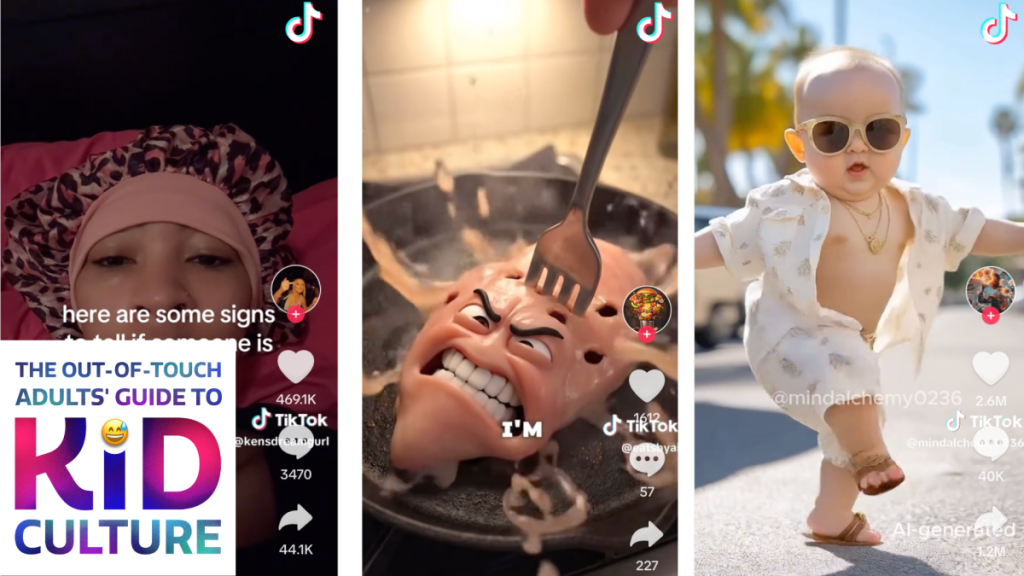
It all started with a seemingly innocuous advertisement for the “Baby Dance” app, posted by TikTok user @mindalchemy0236. The video, featuring an AI-generated baby performing a simple dance routine, quickly racked up over 100 million views. However, what began as a marketing attempt soon spiraled into something much larger and more entertaining.
The repetitive nature of the ad quickly grated on users’ nerves, leading to a collective groan across the platform. But instead of simply scrolling past or complaining in the comments, TikTok’s creative community decided to fight back in the most entertaining way possible: through dance.
John Henry 2.0: Humans vs. AI
In a modern retelling of the American folk tale of John Henry versus the steam engine, TikTok users began posting videos of real children, adults, and even grandparents performing the same dance as the AI baby. The challenge? To prove that human creativity and expression could not be replicated by artificial intelligence.
The movement quickly gained momentum, with users jokingly stating they were participating to save the $1.98 cost of the app. But beneath the humor lay a deeper statement about the value of human expression in an increasingly AI-dominated world.
Kids Take the Lead
Young users were among the first to jump on the trend, showcasing their dance moves with pride and a touch of sass aimed at the AI competitor.
Grown-ups Join the Fray
Not to be outdone, adults of all ages began participating in the challenge. From parents to grandparents, the dance floor (or living room) became a place of intergenerational bonding and friendly competition.
Celebrity Endorsement
Even celebrities got in on the action. Notable figures like Lisa Rinna posted their own versions of the dance, lending even more visibility to the trend and proving that this wasn’t just a passing fad.
The Algorithm Weighs In
Interestingly, some users have reported that TikTok’s algorithm appears to be favoring human-made versions of the dance over the original AI ad. This has led to speculation about whether the collective action of users can influence platform algorithms and potentially shape the future of content distribution on social media.
What Does It All Mean?
While it’s easy to dismiss this trend as just another fleeting internet meme, there are deeper implications to consider:
-
Human Creativity vs. AI: The trend highlights ongoing debates about the role of AI in creative fields and whether machines can truly replicate human expression.
-
Platform Power Dynamics: The apparent shift in algorithm favoring human content raises questions about user agency in shaping social media landscapes.
-
Intergenerational Engagement: The widespread participation across age groups demonstrates social media’s potential for bringing people together across generational divides.
-
Digital Folklore: Like the original John Henry story, this modern retelling could become part of our digital folklore, reflecting societal anxieties about technological advancement.
AI Food Yelling Videos: Educational Brain Rot?
In another surprising twist on AI content, a new trend has emerged featuring food items “yelling” at viewers about proper food preparation and storage. These videos, created using AI image generation, combine entertainment with practical education in a format that appeals to younger audiences.
The Appeal of Angry Food
The juxtaposition of cute food items with aggressive, instructional dialogue creates a humorous and memorable learning experience. Topics range from proper rice storage to meat handling, all delivered with a side of attitude.
Educational Value
While the primary appeal is entertainment, these videos serve an important educational purpose. They present crucial food safety information in a format that resonates with younger viewers who might otherwise ignore traditional educational content.
Potential Lifesaving Impact
Some creators have highlighted that these videos could potentially save lives by reinforcing important food safety practices. For instance, remembering to properly store rice could prevent foodborne illnesses.
The Rise of “Young Ho”
In the ever-evolving landscape of internet slang, a new term has emerged and taken TikTok by storm: “young ho.” This reclamation of a traditionally derogatory term has become a badge of honor for many young users, representing a spirit of independence and self-determination.
Origins and Evolution
The term gained traction following a post on X (formerly Twitter) that stereotypically criticized younger generations. In response, TikTok user @kensdreamgurl posted a manifesto-style video redefining “young ho” as someone who has freed themselves from being inconvenienced by societal expectations.
Community Building Through Shared Traits
Users have embraced the term by listing traits they associate with being a “young ho,” creating a sense of community and shared identity. These traits often revolve around themes of independence, self-care, and rejecting unnecessary social obligations.
Cultural Significance
The rise of “young ho” reflects broader cultural shifts:
-
Language Reclamation: Similar to other reclaimed slurs, it represents a way for marginalized groups to redefine and empower themselves.
-
Millennial and Gen Z Identity: It encapsulates the values and attitudes of younger generations, particularly their emphasis on personal freedom and authenticity.
-
Digital Subculture Formation: The term’s rapid spread and adoption demonstrate how quickly digital communities can form around shared language and experiences.
The Bigger Picture: Internet Culture in 2024
These trends offer a fascinating glimpse into the current state of internet culture:
-
User Agency: The dance battle trend shows how users can collectively shape platform content and potentially influence algorithms.
-
Edutainment: The success of AI food videos highlights the growing demand for content that is both entertaining and educational.
-
Language Evolution: The rapid adoption and redefinition of terms like “young ho” demonstrate the fluid nature of internet language and identity formation.
-
Intergenerational Dynamics: These trends showcase how different age groups interact with and influence online culture.
-
AI Integration: The use of AI in content creation, both as a subject of parody and as a creative tool, reflects the increasing integration of artificial intelligence into our daily digital experiences.
As we continue to navigate the complex relationship between humans and technology, these trends serve as a reminder of the internet’s power to bring people together, spark creativity, and even educate—all while providing endless entertainment.
Tags & Viral Phrases:
-
HumanVsAI
-
BabyDanceChallenge
-
JohnHenry2024
-
AITikTokTrends
-
FoodSafetyGoesViral
-
AngryFoodMemes
-
YoungHoManifesto
-
ReclaimingLanguage
-
GenZSlang
-
DigitalFolklore
-
AlgorithmWarriors
-
EdutainmentRevolution
-
IntergenerationalDanceOff
-
AIContentCreation
-
SocialMediaEvolution
-
ViralTrendAnalysis
-
InternetCulture2024
-
UserGeneratedContent
-
DigitalCommunityBuilding
-
TechAndHumanity
-
MemeEconomy
-
OnlineIdentity
-
CreativeResistance
-
PlatformDynamics
-
DigitalStorytelling
,

Leave a Reply
Want to join the discussion?Feel free to contribute!