
D7VK 1.3 Brings Support For Direct3D 5 On Vulkan
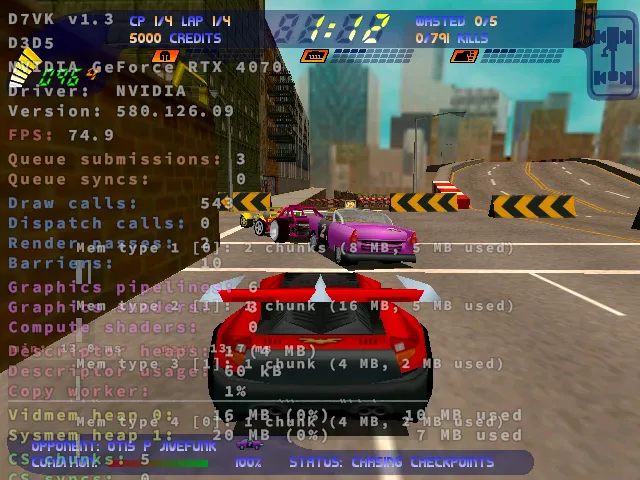
D7VK 1.3 Unleashes Direct3D 5 Support, Reviving Classic Windows Gaming on Linux
In a monumental leap for retro gaming enthusiasts and Linux users alike, the D7VK project has officially released version 1.3, bringing full Direct3D 5 support to the Vulkan API. This groundbreaking update marks another significant milestone in the ongoing effort to preserve and modernize classic Windows gaming experiences on Linux platforms.
D7VK, a specialized fork of the renowned DXVK project, has been instrumental in Valve’s Steam Play (Proton) initiative, providing crucial Direct3D 8, 9, 10, and 11 support through Vulkan translation. The project’s original mission was ambitious: to implement a complete Direct3D 7 layer atop the modern Vulkan graphics API. That goal was achieved with the release of D7VK 1.0, followed by experimental Direct3D 6 support in version 1.1. Now, with version 1.3, the project has expanded its compatibility even further back in Windows gaming history.
The addition of Direct3D 5 support opens up a treasure trove of classic titles that were previously difficult or impossible to run natively on Linux systems. Games that defined an era of PC gaming are now accessible to a new generation of players and nostalgic veterans alike. Early testing has shown promising results with iconic titles such as Carmageddon II: Carpocalypse Now, Tomb Raider II, Mortal Kombat 4, NICE 2, Nightmare Creatures, Deathtrap Dungeon, and Lands of Lore III running smoothly through the D7VK 1.3 implementation.
This achievement represents more than just technical prowess; it’s a preservation effort that ensures these cultural artifacts of gaming history remain playable as operating systems and hardware evolve. The ability to experience these games without resorting to virtual machines or dual-boot setups represents a significant convenience for Linux users who want to explore gaming’s past without leaving their preferred operating environment.
Beyond the headline-grabbing Direct3D 5 support, D7VK 1.3 introduces several other noteworthy improvements that enhance the overall user experience. The release includes opt-in full-screen anti-aliasing (FSAA) emulation, a feature that can dramatically improve the visual quality of older games that were designed for lower-resolution displays and lack modern smoothing techniques. This addition allows players to enjoy smoother edges and reduced pixelation in their favorite classic titles, breathing new life into games that may have appeared dated on modern high-resolution monitors.
The development team has also focused on refining the logging system, providing more detailed and useful diagnostic information for troubleshooting. This enhancement is particularly valuable for developers and advanced users who need to diagnose compatibility issues or optimize performance for specific games. The improved logging infrastructure makes it easier to identify and resolve problems, contributing to the overall stability and reliability of the D7VK implementation.
A variety of bug fixes and performance optimizations round out the update, addressing issues reported by the community and improving the overall quality of the software. These refinements demonstrate the project’s commitment to continuous improvement and responsiveness to user feedback, hallmarks of successful open-source development.
The technical achievement of implementing Direct3D 5 support through Vulkan is particularly impressive when considering the architectural differences between these graphics APIs. Direct3D 5, released in the late 1990s, represents an era of fixed-function pipeline graphics programming, while Vulkan is a modern, low-overhead, explicit API designed for contemporary hardware. Bridging this technological gap requires sophisticated translation layers and deep understanding of both graphics paradigms.
For Linux gaming advocates, D7VK 1.3 represents another compelling argument for the platform’s viability as a gaming environment. As more developers and publishers recognize the growing Linux gaming community, tools like D7VK make it increasingly feasible to support Linux natively or ensure compatibility through translation layers. This creates a positive feedback loop where improved compatibility attracts more users, which in turn encourages greater developer support.
The release also highlights the collaborative nature of open-source development, with D7VK building upon the foundation laid by DXVK while pursuing its own specialized goals. This ecosystem of complementary projects demonstrates how focused forks can address niche requirements while contributing to the broader goal of gaming compatibility across platforms.
Users interested in exploring D7VK 1.3 can access the release through the project’s GitHub repository, where they’ll find detailed installation instructions and documentation. The open-source nature of the project means that technically inclined users can examine the code, contribute improvements, or even create their own specialized forks for specific use cases.
As Linux continues its march toward gaming relevance, projects like D7VK play a crucial role in ensuring that the platform can support the full spectrum of gaming history, from the earliest 3D-accelerated titles to the latest releases. The release of D7VK 1.3 is not just a technical achievement; it’s a cultural preservation effort that ensures the games that shaped the industry remain accessible to future generations of players, regardless of their choice of operating system.
Tags and Viral Phrases:
Linux gaming revolution, classic Windows games on Linux, retro gaming preservation, Direct3D 5 support, Vulkan API breakthrough, Steam Play Proton enhancement, gaming history preservation, open-source gaming development, cross-platform gaming compatibility, Linux gaming ecosystem growth, technical achievement in gaming, cultural preservation through technology, gaming nostalgia revival, modern gaming on classic titles, Linux gaming advocacy, gaming accessibility improvement, software development milestone, gaming community collaboration, technical translation layer success, gaming platform versatility
,


Leave a Reply
Want to join the discussion?Feel free to contribute!