
Darren Aronofsky’s AI-generated series faces harsh backlash online
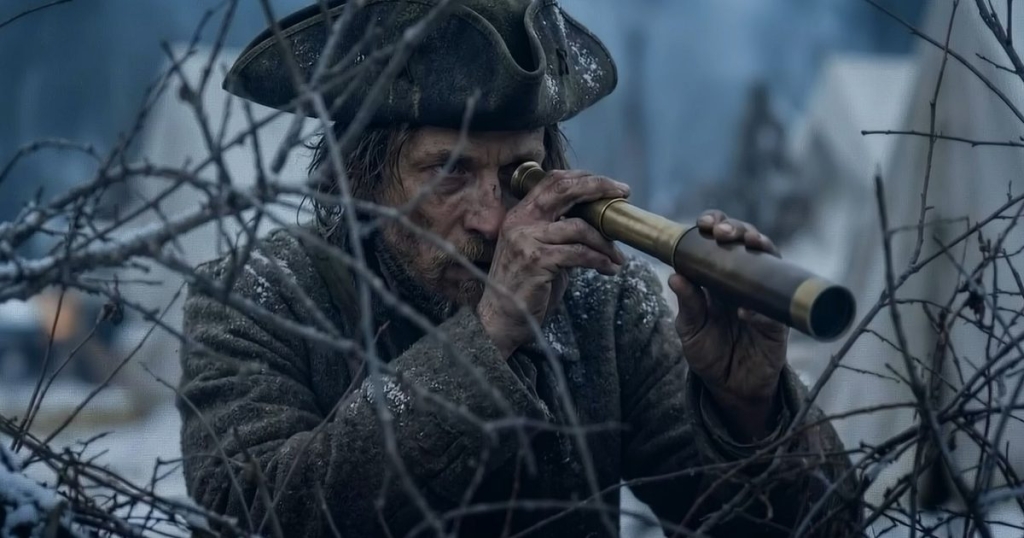
Darren Aronofsky’s AI-Driven Historical Drama ‘On This Day… 1776’ Faces Harsh Criticism Over Visual Quality
In a bold experiment at the intersection of technology and storytelling, acclaimed filmmaker Darren Aronofsky has ventured into uncharted territory with his latest project, “On This Day… 1776.” This ambitious short-form series, produced through Aronofsky’s AI-focused studio Primordial Soup in collaboration with tech giants Google DeepMind, TIME Studios, and Salesforce, aimed to revolutionize historical storytelling by leveraging cutting-edge generative AI technology. However, what was intended as a groundbreaking showcase of artificial intelligence’s creative potential has instead become a lightning rod for controversy and criticism.
A Revolutionary Approach to Historical Storytelling
The concept behind “On This Day… 1776” was undeniably innovative. By utilizing advanced AI image generation tools, the production team sought to create vivid, historically accurate visualizations of pivotal moments from the American Revolutionary War. The series promised viewers an immersive journey through history, with AI-generated imagery bringing to life the dramatic events that shaped a nation.
To complement the visual spectacle, professional voice actors were enlisted to deliver compelling narration, adding a human touch to the AI-created world. This hybrid approach represented a bold attempt to merge the best of both worlds: the efficiency and creative possibilities of artificial intelligence with the emotional depth and nuance of human performance.
The Harsh Reality of AI-Generated Content
Unfortunately, the execution of this ambitious vision fell far short of expectations. Upon its release on TIME’s YouTube channel in late January, “On This Day… 1776” was met with a wave of negative reactions from both critics and viewers alike. The AI-generated imagery, which was meant to be the series’ crowning achievement, became its most significant liability.
Critics were quick to point out the numerous flaws in the visual presentation. The Guardian’s review described the AI-generated content as “ugly as sin,” highlighting the uncanny valley effects that plagued character depictions and the overall lack of cinematic coherence. The Hollywood Reporter echoed these sentiments, characterizing the series as visually grotesque and failing to deliver compelling storytelling through its current technological approach.
The Uncanny Valley and Distorted Reality
One of the most significant issues plaguing “On This Day… 1776” was its inability to overcome the uncanny valley – that eerie sensation viewers experience when confronted with AI-generated imagery that falls just short of photorealism. Characters in the series often appeared lifeless and unsettling, with facial expressions that didn’t quite match the emotional tone of the narration. This disconnect between visual and auditory elements created a jarring viewing experience that left audiences feeling more disturbed than engaged.
Moreover, the AI’s struggle with text generation resulted in numerous instances of distorted or nonsensical writing appearing in the background of scenes. These visual glitches, while perhaps minor in isolation, accumulated to create an overall impression of an unfinished or poorly executed product. The series’ reliance on AI cores for image generation often led to awkward camera angles and compositions that would be considered amateurish in traditional filmmaking.
The Backlash and Broader Implications
The negative reception of “On This Day… 1776” extends beyond mere aesthetic concerns. It has become a flashpoint in the ongoing debate about the role of artificial intelligence in creative industries. Critics argue that the series represents a dangerous precedent, potentially legitimizing the use of underdeveloped AI technology in place of human creativity and craftsmanship.
Social media platforms have been abuzz with discussions about the project, with many users expressing disappointment and embarrassment on behalf of the high-profile collaborators involved. Some have gone so far as to suggest that associating a renowned director like Aronofsky with this kind of AI-first production could lower audience expectations for storytelling quality across the industry.
The Future of AI in Filmmaking
Despite the current backlash, proponents of AI in creative fields argue that early missteps are an inevitable part of the learning process in this rapidly evolving technology. They contend that projects like “On This Day… 1776,” while flawed, represent important steps in understanding the potential and limitations of AI-assisted filmmaking.
Industry observers note that the future likely lies in hybrid models that combine the strengths of AI with human artistry, rather than wholesale replacement of creative roles. As AI technology continues to advance and creative professionals develop new workflows that better integrate these tools, we may see more successful collaborations between human and artificial intelligence in storytelling.
A Cautionary Tale and a Call for Balance
For now, “On This Day… 1776” stands as a cautionary example of the challenges facing AI-assisted filmmaking. It serves as a stark reminder that audiences still value the nuance, emotion, and artistic vision that human creators bring to storytelling. While AI may offer unprecedented efficiency and novel creative possibilities, it has yet to replicate the depth of human experience and artistic intuition that resonates with viewers on an emotional level.
As the debate surrounding AI in creative industries continues to evolve, it’s clear that finding the right balance between technological innovation and artistic integrity will be crucial. The backlash against “On This Day… 1776” underscores the importance of approaching AI integration in storytelling with caution, ensuring that the technology enhances rather than detracts from the narrative experience.
In conclusion, while Darren Aronofsky’s foray into AI-driven historical drama may have stumbled, it has ignited a crucial conversation about the future of storytelling in the age of artificial intelligence. As the technology continues to advance, the creative community must grapple with how to harness its potential while preserving the irreplaceable human element that makes stories truly resonate with audiences.
tags
AIinFilm #TechBacklash #Aronofsky #HistoricalDrama #GenerativeAI #CreativeTech #UncannyValley #FutureOfStorytelling
viralphrases
“AI slop” #UglyAsSin #LifelessFaces #DistortedText #VisuallyGrotesque #UnfinishedProduct #EerieSensations #HumanVsAI #ArtisticIntegrity #TechnologicalInnovation #NarrativeExperience #CreativeRevolution #DigitalStorytelling #AIAssistance #VisualCoherence #EmotionalDepth #StorytellingQuality #AudienceExpectations #CreativeWorkflow #TechnologicalAdvancement
,


Leave a Reply
Want to join the discussion?Feel free to contribute!