
Data Centers in Space Are Even More Cursed Than Previously Believed
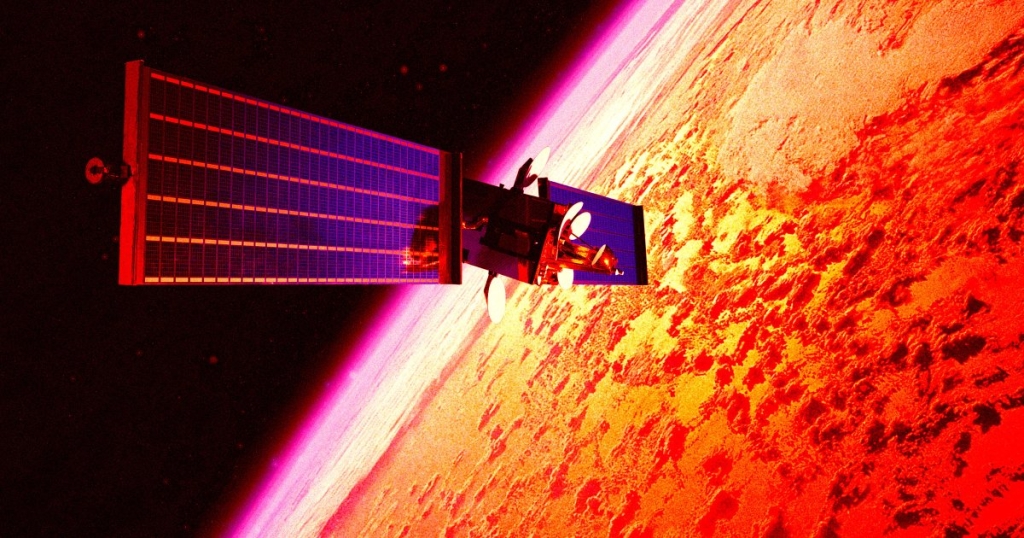
SpaceX’s Orbital Data Center Dream Faces Harsh Reality Check: Experts Call It a “Cursed” Idea
In a bold move that has sent shockwaves through the tech world, SpaceX—now officially merged with xAI—has filed a patent with the Federal Communications Commission (FCC) for an audacious plan to deploy up to one million satellites in a Sun-synchronous orbit, forming what it calls an “orbital data center constellation.” The vision: a sprawling network of data centers circling Earth at altitudes between 310 and 1,200 miles, harnessing the Sun’s unfiltered energy to power the next generation of AI.
But as the dream of space-based AI infrastructure gains traction among Silicon Valley’s elite, a growing chorus of experts is sounding the alarm, calling the plan not just impractical, but potentially disastrous.
Elon Musk’s Grand Vision: AI in the Cosmos
Elon Musk, never one to shy away from the extraordinary, has repeatedly touted the benefits of launching data centers into space. The pitch is compelling: no terrestrial energy constraints, unlimited solar power, and vast orbital real estate. Musk has even claimed that space-based data centers could become the most affordable way to power AI within just three years—a timeline many experts dismiss as wildly overambitious.
The idea has gained traction among other tech leaders. Google CEO Sundar Pichai has predicted we’re only a decade away from seeing orbital data centers become a reality. But not everyone is on board. OpenAI’s Sam Altman, in a recent conference, bluntly called the concept “ridiculous,” citing high failure rates and prohibitive costs as primary barriers.
The Skeptics Weigh In: A “Cursed” Proposition
Rebekah Reed, former NASA associate director and Harvard University associate director of the Program on Emerging Technology, Scientific Advancement, and Global Policy, has penned a scathing essay for the Financial Times, arguing that the orbital data center dream is not just unrealistic—it’s a “cursed” idea.
Reed points out that the financial and technological hurdles are staggering. To make space-based data centers economically viable, launch costs would need to fall below $200 per kilogram—a sevenfold reduction from current levels. “That threshold isn’t expected until the mid-2030s,” she writes, effectively shelving Musk’s three-year timeline.
Environmental and Operational Nightmares
Beyond the cost, Reed highlights a litany of operational nightmares. In space, there’s no IT technician you can call to fix a malfunctioning chip. Maintenance would require sophisticated in-space servicing, or else companies would face degrading performance and stranded capital that turns into orbital debris as components age and fail.
The environmental concerns are equally daunting. Recent research from Saarland University in Germany found that the carbon footprint of space data centers could be up to ten times higher than their terrestrial counterparts when accounting for manufacturing, launch, and disposal. “Results show that, even under optimistic assumptions, in-orbit systems incur significantly higher carbon costs,” the researchers wrote in a yet-to-be-peer-reviewed paper.
And then there’s the pollution problem. Falling satellites could inject harmful metals and other pollutants into the upper atmosphere, a risk scientists are only beginning to understand. With thousands of satellites in play, the potential for environmental damage is enormous.
The Orbital Congestion Crisis
Perhaps the most alarming consequence of Musk’s plan is the risk of orbital congestion. A constellation of one million satellites would dramatically increase the risk of collisions and debris, threatening critical communications, weather, and navigation services. “Scaling data centers to match terrestrial demand would accelerate congestion and degrade the night sky,” Reed warns.
The Verdict: A Dream Deferred
While the allure of space-based AI infrastructure is undeniable, the practical, financial, and environmental barriers are formidable. As experts like Reed and Altman argue, the technology and economics simply aren’t there yet—and may not be for decades.
For now, the dream of AI-powered data centers orbiting Earth remains just that: a dream. And as the debate rages on, one thing is clear: the path to the stars is far more treacherous than Silicon Valley’s boldest visionaries might hope.
Tags: SpaceX, orbital data centers, AI infrastructure, Elon Musk, xAI, Federal Communications Commission, space-based technology, environmental impact, orbital debris, satellite constellation, Sun-synchronous orbit, carbon footprint, in-space servicing, orbital congestion, tech innovation, future of AI, space economy, sustainability, space pollution, tech skepticism
Viral Sentences:
- “Elon Musk’s orbital data center plan is ‘ridiculous,’ says OpenAI’s Sam Altman.”
- “Launching data centers into space could cost up to ten times more than terrestrial options.”
- “One million satellites could turn Earth’s orbit into a dangerous junkyard.”
- “Experts call SpaceX’s space-based AI dream a ‘cursed’ idea.”
- “The carbon cost of space data centers may be an environmental disaster.”
- “Orbital data centers: a bold vision, but is it just science fiction?”
- “SpaceX’s merger with xAI fuels speculation about AI’s future in space.”
- “Can we really trust tech billionaires to solve Earth’s energy crisis from orbit?”
- “The night sky is at risk as mega-constellations loom on the horizon.”
- “Space-based AI: innovation or interplanetary pollution?”
,

Leave a Reply
Want to join the discussion?Feel free to contribute!