
Dating online this Valentine’s Day? Here’s how to spot an AI romance scam
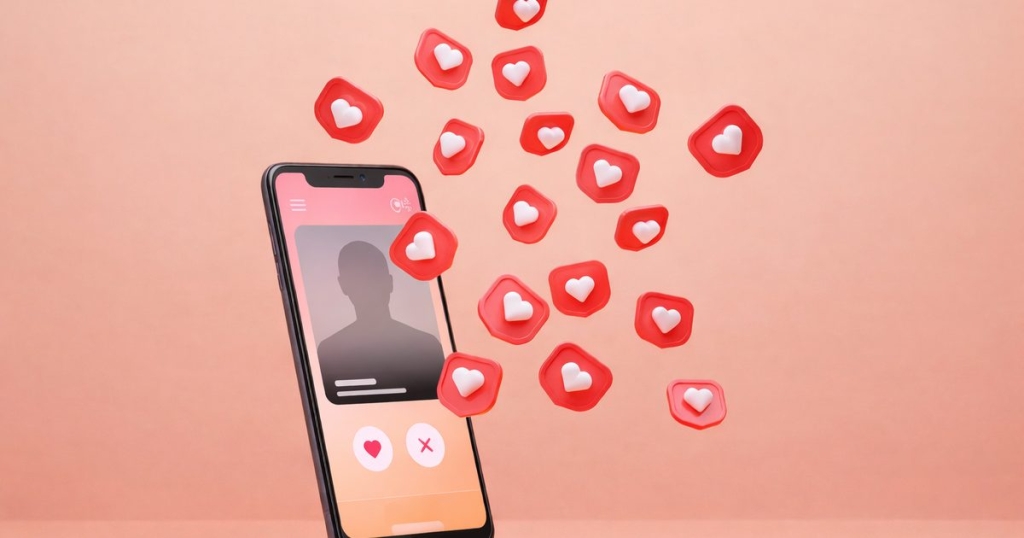
Romance Scams Surge as AI Makes Online Deception More Convincing Than Ever
As Valentine’s Day approaches, the search for love online has become a hunting ground for increasingly sophisticated scammers. Cybersecurity experts warn that romance scams are not only more prevalent but also more convincing thanks to artificial intelligence, which allows fraudsters to build fake relationships at scale with alarming precision.
What once required manual effort—crafting believable messages, mimicking emotional connection—can now be automated. Large language models generate personalized, emotionally tuned conversations that feel authentic, even when sent to hundreds of targets simultaneously. Voice cloning and deepfake video technology further blur the line between real and fake, making it harder than ever to spot a scam before it’s too late.
The numbers are staggering. According to the U.S. Federal Trade Commission, reported losses to romance scams reached $1.14 billion in 2023, making them one of the most financially damaging types of online fraud. Regulators say those losses continue to climb as AI-driven scams become more sophisticated and harder to detect.
The typical playbook is chillingly effective. Scammers often claim to live or work far away, sometimes overseas, and relationships escalate quickly with intense emotional language. Promises to meet in person are repeatedly delayed or canceled. Conversations shift toward money, investments, or financial emergencies—often involving cryptocurrency or forex trading framed as urgent opportunities. Victims are pressured to use specific payment methods and discouraged from discussing the relationship with friends or family.
To protect yourself, experts recommend slowing down and verifying identities before trust deepens. Reverse-image search profile photos, lock down social media privacy settings, and never send money or gifts to someone you haven’t met in person. During video calls, ask the person to turn their head fully or wave a hand in front of their face—many AI deepfake tools struggle with sudden or exaggerated movements. Watch for visual glitches like faces briefly distorting or freezing.
Cybersecurity professionals stress that emotional investment makes it easier to overlook red flags. Scammers often isolate victims by framing outside concern as jealousy or misunderstanding. That’s why trusted friends and family perspectives are critical.
As AI continues to evolve, the core advice remains unchanged: take your time, verify who you’re talking to, and be wary the moment money, investments, or urgency enter the conversation—especially if you’ve never met in person. In an age where algorithms can convincingly simulate care and intimacy, trusting your instincts may still be your best defense.
Tags & Viral Phrases:
- Romance scams on the rise
- AI-powered catfishing
- Deepfake dating scams
- Valentine’s Day fraud alert
- Online love gone wrong
- Scammers using ChatGPT
- Voice cloning romance fraud
- FTC warns of $1.14B losses
- How to spot a fake profile
- Never send money to strangers online
- Red flags in online dating
- Protect yourself from AI scams
- Love in the age of AI deception
- Romance scam warning signs
- Cybersecurity experts sound the alarm
,

Leave a Reply
Want to join the discussion?Feel free to contribute!