
DCU, UL research could help avoid cancer drug resistance
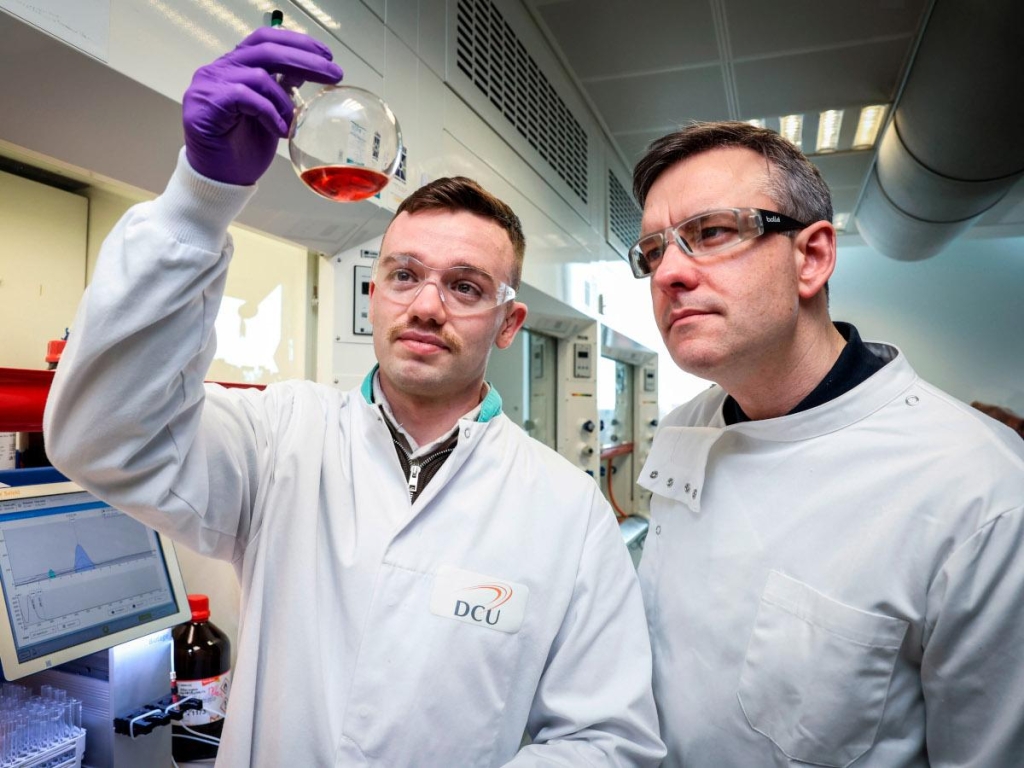
European Research Team Develops Groundbreaking DNA-Damaging Cancer Compounds Using “Click Chemistry”
In a major scientific breakthrough that could reshape the future of cancer treatment, a pan-European research consortium has developed an innovative chemical strategy for creating metal-based compounds capable of damaging cancer cell DNA through previously unexplored mechanisms.
The international team, led by Professor Andrew Kellett from Dublin City University (DCU), includes researchers from the University of Limerick (UL), Chimie ParisTech in France, Chalmers University of Technology, and Sahlgrenska University Hospital in Sweden. Their pioneering work, published in the prestigious journal Nature, represents a significant advance in the ongoing battle against one of humanity’s deadliest diseases.
The Science Behind the Breakthrough
At the heart of this discovery lies “click chemistry”—a Nobel Prize-winning method for rapidly and reliably assembling molecular components. The researchers utilized this technique to create what they call “tri-click” ligands, which, when combined with copper ions, form artificial metal-containing agents specifically designed to cleave DNA.
What makes this approach revolutionary is the distinct chemical mechanism these compounds employ to damage DNA, differing fundamentally from how traditional chemotherapy drugs operate. This novel pathway could potentially bypass many of the resistance mechanisms that currently limit cancer treatment effectiveness.
Tackling Drug Resistance Head-On
Drug resistance remains one of oncology’s most formidable challenges. Cancer cells can develop multiple strategies to survive treatment, including repairing specific types of DNA damage or actively blocking conventional drug activity. The European team’s compounds attack DNA through an entirely different mechanism, potentially rendering these resistance strategies ineffective.
Professor Kellett emphasized the significance of this approach: “One of the major challenges in cancer treatment is drug resistance. By developing compounds that damage DNA in a different way, we aim to open up new possibilities for overcoming some of the limitations of existing therapies.”
Collaborative Excellence Across Borders
The research exemplifies the power of international scientific collaboration. Damien Thompson, director of SSPC (the Research Ireland Centre for Pharmaceuticals) and professor of molecular modeling at UL, highlighted how this partnership enabled the project’s success: “This work exemplifies the value of systematic, deep screening of molecular properties in the development of more effective medicines. Support from SSPC, the Research Ireland Centre for Pharmaceuticals enabled strong collaboration between our experimental and modeling teams and this new design strategy marks a key milestone in developing sustainable, well-tolerated anticancer drugs.”
Early-Stage Promise with Far-Reaching Implications
While the research remains in its early stages, the implications are profound. The compounds developed by the team could form the foundation for future cancer therapies, particularly for treating cancers that have developed resistance to existing treatments. The systematic approach taken by the researchers provides a valuable platform for future drug development, potentially accelerating the discovery of new cancer treatments.
The use of copper-based compounds is particularly noteworthy, as metal-based drugs have shown promise in cancer treatment but have been limited by various factors including toxicity and resistance. By employing click chemistry to precisely control the molecular structure, the team has created compounds with potentially improved properties.
The Path Forward
This breakthrough represents more than just a new drug candidate—it demonstrates a new paradigm for drug discovery in oncology. The systematic, collaborative approach combining experimental chemistry with computational modeling could accelerate the development of future cancer treatments.
As cancer continues to be a leading cause of death worldwide, innovations like this offer hope for more effective treatments. The research community and patients alike will be watching closely as this promising approach moves through further development and testing phases.
The European consortium’s work stands as a testament to the power of collaborative science and innovative thinking in addressing one of medicine’s greatest challenges. With continued support and development, these early-stage compounds could one day transform cancer treatment for millions of patients worldwide.
Tags: #CancerResearch #ClickChemistry #DNA #DrugResistance #EuropeanScience #Oncology #MetalBasedDrugs #MedicalBreakthrough #DCU #UniversityOfLimerick #ChimieParisTech #ChalmersUniversity #SahlgrenskaUniversityHospital #NatureJournal #SSPC #ResearchIreland #ProfessorAndrewKellett #DamienThompson #CancerTreatment #PharmaceuticalInnovation
Viral Phrases: Revolutionary DNA-damaging compounds; Click chemistry transforms cancer treatment; Breakthrough in overcoming drug resistance; European team develops game-changing cancer compounds; Metal-based drugs get new life; Professor Kellett’s team cracks cancer code; Copper compounds target resistant cancers; International collaboration yields medical breakthrough; Nature journal publishes cancer innovation; Early-stage compounds show extraordinary promise; Systematic screening accelerates drug discovery; Sustainable, well-tolerated anticancer drugs; Pan-European research consortium; DNA cleavage through novel mechanisms; Overcoming cancer’s resistance strategies; Future of oncology transformed; Groundbreaking approach to cancer therapy; Metal ions combined with click chemistry; Tri-click ligands target cancer DNA; Hope for treatment-resistant cancers; Scientific innovation crosses borders; New paradigm in drug discovery; Collaboration accelerates medical breakthroughs; Promising platform for future treatments; Addressing one of medicine’s greatest challenges; Transforming cancer treatment for millions; Power of collaborative science; Innovative thinking in oncology; Watch this space for cancer breakthroughs; Early promise, far-reaching implications; Systematic approach to drug development; Computational modeling meets experimental chemistry; Nobel Prize-winning chemistry applied to cancer; Distinct chemical mechanism bypasses resistance; Valuable platform for drug development; Key milestone in anticancer drug development; Strong collaboration between experimental and modeling teams; Systematic deep screening of molecular properties; Support from Research Ireland Centre for Pharmaceuticals; Exemplifies value of systematic screening; Mark a key milestone; Sustainable well-tolerated anticancer drugs; Under-explored potential of click chemistry; Major challenges in cancer treatment; Open up new possibilities; Limitations of existing therapies; Still at an early stage; Provides a valuable platform; Design strategy marks a key milestone; Enabled strong collaboration; New design strategy; More effective medicines; Systematic deep screening; Strong collaboration; Experimental and modeling teams; Molecular modeling; Research Ireland Centre; SSPC support; Dublin City University leadership; University of Limerick contribution; Chimie ParisTech expertise; Chalmers University innovation; Sahlgrenska University Hospital; Published in Nature journal; DNA-damaging chemotherapeutics; Artificial metal-containing agents; DNA cleavage; Drug resistance remains formidable; Cancer cells develop multiple strategies; Repair specific types of DNA damage; Block conventional drug activity; Entirely different mechanism; Render resistance strategies ineffective; Profound implications; Foundation for future cancer therapies; Systematic collaborative approach; Computational modeling accelerates discovery; Leading cause of death worldwide; Offers hope for more effective treatments; Research community and patients watching; Testament to collaborative science; Innovative thinking addressing challenges; Continued support and development; Transform cancer treatment; Power of collaborative science; Innovative thinking in addressing challenges; Medical breakthrough; Cancer innovation; Extraordinary promise; Game-changing cancer compounds; Revolutionary approach; Breakthrough discovery; Scientific breakthrough; Major advance; Innovative chemical strategy; Pioneering work; Significant advance; Transformative research; Cutting-edge science; Revolutionary compounds; Groundbreaking discovery; Breakthrough research; Innovative approach; Revolutionary strategy; Transformative science; Cutting-edge research; Breakthrough compounds; Revolutionary treatment; Groundbreaking approach; Innovative compounds; Revolutionary medicine; Groundbreaking science; Breakthrough strategy; Innovative treatment; Revolutionary therapy; Groundbreaking compounds; Breakthrough approach; Innovative strategy; Revolutionary research; Groundbreaking treatment; Breakthrough medicine; Innovative medicine; Revolutionary compounds; Groundbreaking therapy; Breakthrough science; Innovative therapy; Revolutionary approach; Groundbreaking strategy; Breakthrough treatment; Innovative research; Revolutionary medicine; Groundbreaking medicine; Breakthrough compounds; Innovative compounds; Revolutionary science; Groundbreaking research; Breakthrough strategy; Innovative strategy; Revolutionary treatment; Groundbreaking approach; Breakthrough approach; Innovative treatment; Revolutionary therapy; Groundbreaking therapy; Breakthrough science; Innovative science; Revolutionary compounds; Groundbreaking compounds; Breakthrough compounds; Innovative compounds; Revolutionary medicine; Groundbreaking medicine; Breakthrough medicine; Innovative medicine; Revolutionary research; Groundbreaking research; Breakthrough research; Innovative research; Revolutionary strategy; Groundbreaking strategy; Breakthrough strategy; Innovative strategy; Revolutionary approach; Groundbreaking approach; Breakthrough approach; Innovative approach; Revolutionary treatment; Groundbreaking treatment; Breakthrough treatment; Innovative treatment; Revolutionary therapy; Groundbreaking therapy; Breakthrough therapy; Innovative therapy; Revolutionary science; Groundbreaking science; Breakthrough science; Innovative science; Revolutionary compounds; Groundbreaking compounds; Breakthrough compounds; Innovative compounds; Revolutionary medicine; Groundbreaking medicine; Breakthrough medicine; Innovative medicine; Revolutionary research; Groundbreaking research; Breakthrough research; Innovative research; Revolutionary strategy; Groundbreaking strategy; Breakthrough strategy; Innovative strategy; Revolutionary approach; Groundbreaking approach; Breakthrough approach; Innovative approach; Revolutionary treatment; Groundbreaking treatment; Breakthrough treatment; Innovative treatment; Revolutionary therapy; Groundbreaking therapy; Breakthrough therapy; Innovative therapy; Revolutionary science; Groundbreaking science; Breakthrough science; Innovative science
,

Leave a Reply
Want to join the discussion?Feel free to contribute!