
Debt Could Cost You Your Driver’s License – This State Wants To Change That
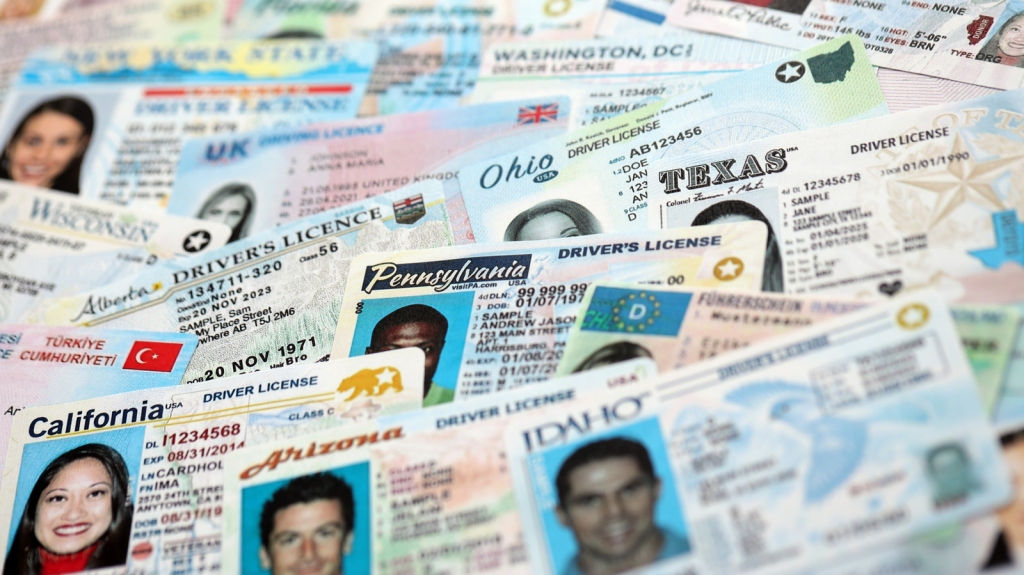
Debt-Based Driver’s License Suspensions: The Controversial Practice Massachusetts Wants to End
The Hidden Consequences of Unpaid Debt
For millions of Americans, a driver’s license represents far more than just the privilege to operate a vehicle—it’s an essential lifeline connecting them to employment, education, healthcare, and basic necessities. In a nation where sprawling geography and limited public transportation infrastructure make personal vehicles indispensable, the suspension of a driver’s license can trigger a devastating domino effect that pushes families toward financial ruin.
What many drivers don’t realize is that in numerous states across the country, your driver’s license can be suspended for reasons that have absolutely nothing to do with your driving behavior. While most people understand that DUIs, reckless driving, or accumulating too many traffic violations can result in losing driving privileges, a growing number of states have implemented policies that allow for license suspension based solely on unpaid debt.
These debt-related suspensions can stem from various sources: unpaid parking tickets, overdue toll bills, court fees, misdemeanor and felony fines that aren’t even related to driving offenses, and even administrative fees for failing to update your address within a specified timeframe. The practice has created a particularly cruel cycle where individuals who cannot afford to pay their debts immediately face additional penalties that make it even harder to earn the money needed to resolve their financial obligations.
The Scale of the Problem
According to data from the National Conference of State Legislatures, approximately 11 million drivers nationwide have had their licenses suspended due to debt-related issues or failure to appear for court summons. This represents a staggering number of Americans who find themselves caught in a bureaucratic trap where their ability to work and earn income is directly threatened by financial obligations they’re already struggling to meet.
The impact of these suspensions falls disproportionately on lower-income individuals and communities of color, who often lack the financial cushion to pay fines and fees immediately and may face additional barriers to resolving their cases, such as inability to take time off work for court appearances or lack of access to legal representation.
Massachusetts Leads the Charge for Reform
In a significant development that could signal a broader shift in how states approach this issue, Massachusetts Governor Maura Healey has announced plans to eliminate debt-based driver’s license suspensions in the state. At the time of this writing, more than 500,000 Massachusetts residents are facing potential license suspension due to various debt-related issues—a number that could be dramatically reduced if the proposed policy changes are implemented.
Governor Healey’s proposal, announced in late January 2026, would effectively end the practice of suspending, revoking, or refusing to issue driver’s licenses based on unpaid debts, including parking tickets, E-ZPass violations, court costs, and other administrative fees. The governor characterized the current system as counterproductive and unjust, stating, “Nobody should be forced into poverty or prevented from going to school, work, or doctor’s appointments for not paying a toll or parking ticket.”
The proposed changes would represent a significant departure from current Massachusetts law, which allows for license suspension for various debt-related reasons, including failure to update your name and address within 30 days of moving—a requirement that many residents may not even be aware of, yet one that can result in mounting fines and ultimately, loss of driving privileges.
Evidence Shows the Policy Doesn’t Work
Research has consistently demonstrated that suspending driver’s licenses as a means of debt collection is not only counterproductive but also ineffective. A comprehensive study of Ohio’s experience with debt-based license suspensions from 2016 through 2020 revealed that the policy failed to achieve its intended purpose of encouraging debt repayment.
During that five-year period, Ohio assessed approximately $758 million in fees related to debt-based license suspensions. However, only about $167 million of that total was actually recovered—meaning that despite the threat of losing driving privileges, the vast majority of assessed debt remained unpaid. This data suggests that the threat of license suspension does little to motivate individuals who are already unable to pay their debts to suddenly find the financial resources to do so.
Recognizing these failures, Ohio became one of the growing number of states to abandon the practice, ending debt-based driver’s license suspensions in 2025. The state’s experience, along with similar outcomes in other jurisdictions, has contributed to a growing consensus among policymakers and advocates that the policy is both ineffective and harmful.
California Paved the Way
California emerged as a pioneer in license suspension reform when it became one of the first states to eliminate debt-based suspensions in 2017. The impact of this change was immediate and substantial. Within the first year of implementation, the state restored approximately 450,000 driver’s licenses that had been suspended solely due to unpaid debt.
The reform didn’t stop there. Subsequent legislative changes in later years led to the restoration of more than 400,000 additional licenses, bringing the total number of licenses reinstated due to the elimination of debt-based suspensions to over 850,000. This massive reversal of a harmful policy has allowed hundreds of thousands of Californians to regain their ability to work, attend school, and meet their family responsibilities without the added burden of transportation barriers.
California’s experience has served as a model for other states considering similar reforms, demonstrating that ending debt-based suspensions can be implemented effectively while maintaining the integrity of the state’s driver’s license system for violations that genuinely relate to public safety.
Other States Follow Suit
Following California’s lead, several other states have enacted legislation to curb or eliminate debt-based driver’s license suspensions. Colorado, Maryland, and Michigan have all passed laws limiting the practice, though the specific provisions and scope of these reforms vary by state.
In Colorado, legislation passed in 2017 restricted the ability of courts to suspend driver’s licenses for unpaid court debt, while also creating payment plan options for individuals who cannot afford to pay fines and fees immediately. Maryland enacted similar reforms in 2019, prohibiting license suspension for failure to pay certain court-ordered debts and requiring courts to determine a person’s ability to pay before imposing penalties.
Michigan’s approach, implemented through a series of legislative changes starting in 2024, focused on creating more equitable payment options and eliminating suspensions for certain types of administrative violations, while still maintaining the ability to suspend licenses for serious driving-related offenses.
Despite this progress, many states continue to maintain laws that allow for debt-based license suspensions. Pennsylvania and Florida, for example, still have statutes on the books that permit courts to suspend driver’s licenses for various debt-related reasons, though enforcement practices may vary.
The Broader Context of Driver’s License Access
The debate over debt-based license suspensions occurs against the backdrop of changing attitudes toward driving and license acquisition, particularly among younger generations. While many teenagers still eagerly anticipate obtaining their driver’s licenses as a rite of passage and symbol of independence, recent studies indicate that an increasing number of young people are less interested in driving than previous generations.
Factors contributing to this trend include the rise of ride-sharing services, improved public transportation in some urban areas, environmental concerns, and the high costs associated with vehicle ownership and maintenance. However, for many Americans—particularly those in rural areas or suburban communities with limited public transit options—a driver’s license remains an essential tool for daily life and economic participation.
This reality underscores the importance of ensuring that access to driver’s licenses is not unnecessarily restricted by policies that create additional barriers to employment and financial stability. As states like Massachusetts consider reforms to end debt-based suspensions, they join a growing movement recognizing that transportation access is crucial for economic mobility and that punitive measures that restrict this access often do more harm than good.
Economic and Social Implications
The economic implications of ending debt-based license suspensions extend beyond the individuals directly affected. When people lose their ability to drive to work, the consequences ripple through families and communities. Lost wages lead to reduced consumer spending, which impacts local businesses. Employers in areas with limited public transportation may struggle to fill positions if potential workers cannot reliably commute.
From a social justice perspective, the practice of debt-based suspensions raises serious questions about equity and fairness in the justice system. Research has consistently shown that lower-income individuals and communities of color are disproportionately affected by these policies, creating additional barriers to economic advancement for groups that already face systemic challenges.
Advocates argue that ending debt-based suspensions represents a crucial step toward a more equitable approach to traffic enforcement and court debt collection—one that recognizes the fundamental importance of transportation access while still maintaining accountability for serious driving offenses that genuinely threaten public safety.
Looking Ahead
As Massachusetts moves forward with its proposal to eliminate debt-based driver’s license suspensions, the state will be closely watched by policymakers and advocates across the country. If successful, the reform could provide a model for other states still grappling with the negative consequences of this practice.
The momentum appears to be building for broader reform, with more states recognizing that suspending licenses for unpaid debt creates a counterproductive cycle that harms individuals, families, and communities while doing little to actually collect the debts in question. As evidence mounts about the ineffectiveness and inequity of these policies, the pressure to end debt-based suspensions is likely to intensify.
For the more than 500,000 Massachusetts residents currently facing potential license suspension due to debt, and for the millions of Americans in other states facing similar threats, the outcome of this reform effort could represent a crucial lifeline—restoring not just their ability to drive, but their access to economic opportunity and basic life necessities that depend on reliable transportation.
Tags:
debt-based license suspension
Massachusetts license reform
driver’s license debt
Maura Healey transportation policy
license suspension reform
debt collection driving penalties
transportation equity
court debt license suspension
ending license suspensions for debt
driver’s license restoration
Viral Phrases:
Your driver’s license could be suspended for unpaid parking tickets
11 million Americans have suspended licenses due to debt
Massachusetts plans to end debt-based license suspensions
Governor Healey says nobody should lose their license over a parking ticket
Ohio recovered only 22% of debt from license suspensions
California restored 850,000 licenses after ending debt suspensions
Your license could be suspended for not updating your address within 30 days
The cruel cycle: can’t pay debt, lose license, can’t work to pay debt
Rural Americans depend on cars while facing debt suspension threats
License suspension doesn’t actually help collect unpaid debts
,


Leave a Reply
Want to join the discussion?Feel free to contribute!