
Decentralized AI is in a trough but real opportunities are emerging, crypto VCs say
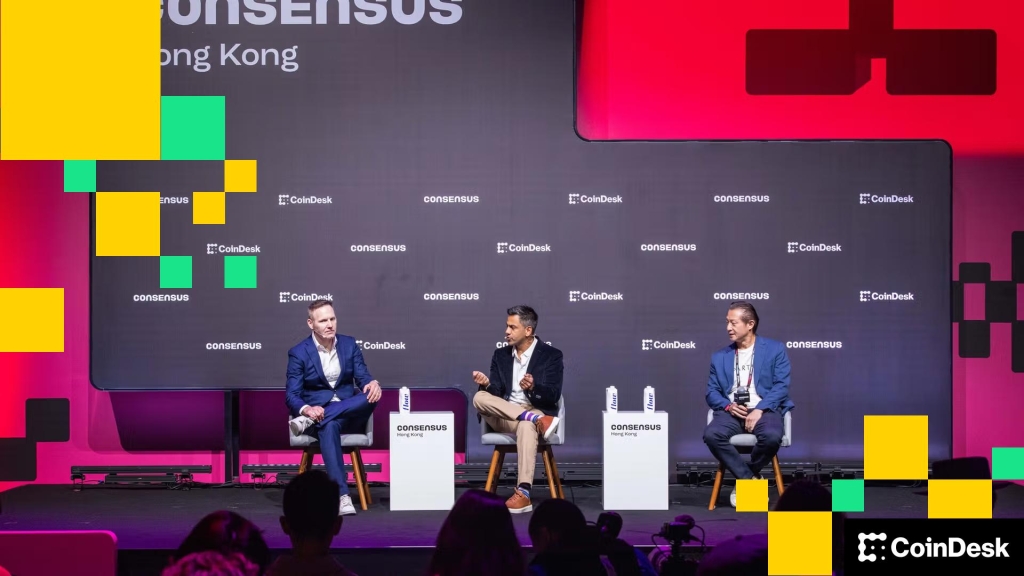
The crypto-AI landscape is undergoing a seismic shift, according to two heavyweight venture capitalists who are calling out the current moment as a “post-hype reckoning” for decentralized artificial intelligence protocols. Anand Iyer of Canonical Crypto and Kelvin Koh of Spartan Group delivered a sobering yet strategic outlook during Consensus Hong Kong 2026, painting a picture of an industry moving away from speculative froth toward utility-driven, problem-specific solutions.
“I think we’re in the trough right now,” Iyer stated bluntly, reflecting on the recent cycle of overinvestment and inflated expectations. “We went through a frothy period. Now it’s about figuring out where the real strength lies.” His words echo a growing sentiment in the tech investment community: the era of throwing capital at anything with a GPU and a whitepaper is over.
Both investors were particularly critical of the current obsession with decentralized GPU marketplaces and attempts to replicate the scale of centralized AI giants like OpenAI or Anthropic. “The capital required is night and day compared to what’s available in crypto,” Koh emphasized, highlighting the stark reality that decentralized AI projects are often underfunded relative to their centralized counterparts.
Instead of chasing the mirage of building the next ChatGPT competitor, Iyer and Koh are betting on full-stack, purpose-built solutions. These are tools that start with a specific, real-world problem and build down through the layers—model, compute, and data—to deliver a tailored solution. Iyer cited examples of startups bypassing expensive SaaS tools entirely, using AI to build custom internal systems in days rather than months. “Speculation won’t drive product anymore,” he warned. “We have to think about users first.”
The conversation also turned to the new competitive moats in the AI space: proprietary data, regulatory advantages, and unique go-to-market strategies. In a world where anyone can access open-source models, these factors are becoming the differentiators that separate winners from also-rans.
For founders seeking funding, Koh’s advice was direct: “Twelve months ago, it was enough to have a wrapper on ChatGPT. That’s no longer true.” The bar has been raised, and the market is rewarding those who can demonstrate real utility and a clear path to adoption.
As the dust settles on the crypto-AI hype cycle, the message from these investors is clear: the future belongs to those who can solve specific problems with precision, not those who chase broad, speculative visions. The trough of disillusionment may be uncomfortable, but it’s also where the most resilient and innovative projects will emerge.
—
AI infrastructure, decentralized AI, crypto-AI convergence, GPU marketplaces, full-stack AI solutions, proprietary data, regulatory moats, go-to-market strategy, post-hype cycle, utility-driven AI, AI adoption, open-source models, venture capital, Consensus Hong Kong 2026, Anand Iyer, Kelvin Koh, Spartan Group, Canonical Crypto, AI startups, SaaS alternatives, custom AI systems, competitive advantages, AI investment trends, decentralized protocols, AI model development, AI compute layers, data layers, AI funding, AI product development, user-centric AI, AI innovation, AI market differentiation, AI scalability, AI business models, AI ecosystem, AI technology trends, AI industry insights, AI future outlook.,


Leave a Reply
Want to join the discussion?Feel free to contribute!