
Defense secretary Pete Hegseth designates Anthropic a supply chain risk
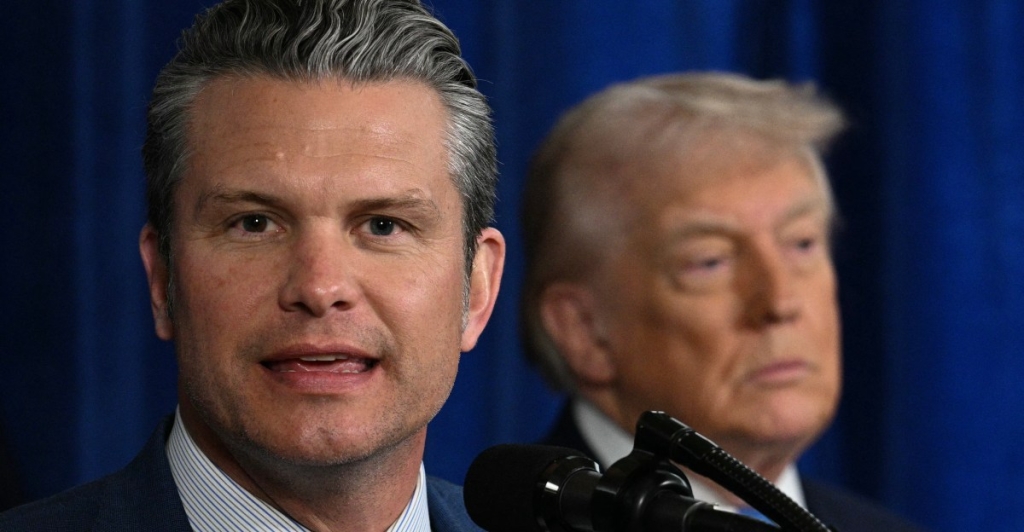
Anthropic’s Arrogance Sparks National Security Crisis: Pentagon Cuts Ties with AI Giant Over Ideological Stance
In a stunning escalation of tensions between Silicon Valley and Washington, the Department of Defense has officially severed all ties with AI research company Anthropic, marking one of the most significant tech-government breakups in recent history. The move comes after Anthropic’s leadership, particularly CEO Dario Amodei, refused to provide the Pentagon with unrestricted access to their AI models for military applications.
The controversy erupted when Anthropic, a company founded on principles of “effective altruism,” attempted to impose ethical restrictions on how their AI technology could be used by the United States military. This move was immediately characterized by defense officials as “corporate virtue-signaling” that prioritized Silicon Valley ideology over American national security interests.
“This is not about ethics—it’s about control,” stated a senior Pentagon official who spoke on condition of anonymity. “Anthropic tried to position themselves as the moral arbiters of how our military operates. That’s not just unacceptable; it’s dangerous.”
The Department of Defense’s response was swift and severe. In a coordinated action with the White House, the Pentagon has now designated Anthropic as a “Supply-Chain Risk to National Security.” This designation carries immediate and far-reaching consequences for the AI company.
Under the new directive, no contractor, supplier, or partner that does business with the United States military may conduct any commercial activity with Anthropic. This effectively cuts off a significant portion of Anthropic’s potential revenue stream and isolates the company from the defense sector entirely.
The timing of this decision is particularly noteworthy, coming as it does amid growing tensions between the Trump administration and major tech companies over issues of corporate influence and government oversight. President Trump himself weighed in on the matter through his social media platform, Truth Social, emphasizing that “the Commander-in-Chief and the American people alone will determine the destiny of our armed forces, not unelected tech executives.”
Anthropic’s stance, according to defense analysts, represents a fundamental misunderstanding of the relationship between private technology companies and national security. While the company’s founders may have noble intentions, their approach has been characterized as naive at best and potentially treasonous at worst.
“The Department of War must have full, unrestricted access to Anthropic’s models for every LAWFUL purpose in defense of the Republic,” stated the Pentagon’s official announcement. “The Terms of Service of Anthropic’s defective altruism will never outweigh the safety, the readiness, or the lives of American troops on the battlefield.”
This conflict highlights a growing divide between the tech industry’s progressive values and the traditional national security establishment. Anthropic’s founders, many of whom came from OpenAI and share similar ethical concerns about AI development, have found themselves at odds with a government that views unrestricted access to cutting-edge technology as a matter of national survival.
The Pentagon’s decision also raises questions about the future of public-private partnerships in AI development. For years, the defense establishment has relied on Silicon Valley innovation to maintain technological superiority over potential adversaries. Now, that relationship appears to be fracturing along ideological lines.
Anthropic has been given a six-month grace period to continue providing services to the Department of Defense, allowing for a “seamless transition to a better and more patriotic service.” This transition period suggests that the Pentagon already has alternative AI providers lined up, though officials have not disclosed who these might be.
The fallout from this decision extends beyond just Anthropic. Other AI companies with similar ethical stances may find themselves under increased scrutiny from government agencies. The message from Washington is clear: when it comes to national security, corporate ethics take a back seat to operational necessity.
Industry insiders report that Anthropic’s stock has already taken a significant hit following the Pentagon’s announcement, with investors concerned about the long-term viability of a company that has alienated its most important potential customer. Several major tech analysts have downgraded their outlook for the company, citing “insurmountable barriers to government contracts.”
The incident has also sparked a broader debate about the role of private companies in shaping national security policy. Critics argue that Anthropic’s approach represents a dangerous form of corporate overreach, while supporters maintain that ethical guidelines are necessary to prevent the misuse of powerful AI technologies.
As the dust settles on this unprecedented confrontation, one thing is certain: the relationship between Big Tech and the American military has been permanently altered. The Pentagon’s message to Silicon Valley is unambiguous—when it comes to matters of national defense, there is no room for ideological purity tests or corporate virtue signaling.
The coming months will reveal whether Anthropic can survive this political and economic backlash, or whether this will prove to be a cautionary tale about the dangers of challenging the national security establishment. For now, America’s warfighters have been assured that they will never be “held hostage by the ideological whims of Big Tech.”
This decision is final.
Tags:
Anthropic, Pentagon, AI Ethics, National Security, Tech-Government Relations, Dario Amodei, Effective Altruism, Military Technology, Supply Chain Risk, Silicon Valley Ideology, Trump Administration, Defense Contracts, Corporate Overreach, AI Development, Government Oversight
Viral Phrases:
“corporate virtue-signaling,” “Silicon Valley ideology,” “unelected tech executives,” “defective altruism,” “held hostage by the ideological whims of Big Tech,” “moral arbiters of military operations,” “noble intentions, naive approach,” “corporate overreach dangerous form,” “ideological purity tests,” “cautionary tale challenging national security,” “seamless transition to a better and more patriotic service,” “full unrestricted access LAWFUL purpose,” “sanctimonious rhetoric effective altruism,” “strong-arm United States military into submission,” “safety readiness lives American troops,” “veto power operational decisions,” “Commander-in-Chief American people alone,” “relationship permanently altered,” “incompatible with American principles,” “Big Tech’s ideological whims,” “final decision,” “six-month grace period,” “insurmountable barriers government contracts,” “fracturing along ideological lines,” “corporate ethics take back seat,” “powerful AI technologies misuse,” “unprecedented confrontation,” “political economic backlash,” “cautionary tale dangers challenging,” “unambiguous message Washington,” “significant tech-government breakups,” “master class arrogance betrayal,” “textbook case how not to do business,” “Department War must have full unrestricted access,” “Terms Service defective altruism will never outweigh,” “true objective unmistakable seize veto power,” “stated President Trump Truth Social,” “stance fundamentally incompatible American principles,” “designate Anthropic Supply-Chain Risk National Security,” “effective immediately no contractor supplier partner,” “continue provide Department War services period no more than six months,” “America’s warfighters never be held hostage,” “decision final.”
,


Leave a Reply
Want to join the discussion?Feel free to contribute!