
Defense Secretary summons Anthropic’s Amodei over military use of Claude
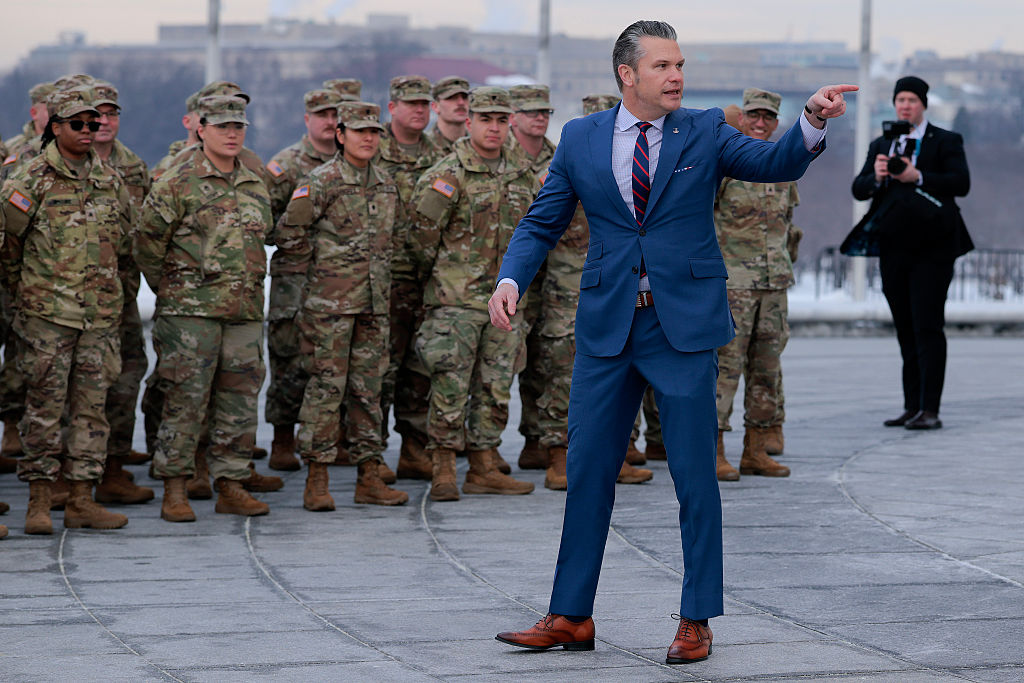
In a high-stakes showdown that could reshape the future of AI in defense, Pentagon chief Pete Hegseth has summoned Anthropic CEO Dario Amodei for a tense Tuesday morning meeting at the heart of America’s military headquarters. The agenda? A blunt ultimatum over the military’s use of Claude, Anthropic’s flagship AI model, and the growing rift between the tech firm and the Department of Defense.
According to exclusive reporting from Axios, the meeting comes amid escalating tensions after the Pentagon threatened to brand Anthropic a “supply chain risk”—a label historically reserved for foreign adversaries like China or Russia. The designation would be a death knell for Anthropic’s $200 million contract with the Department of Defense, signed just last summer, and could force other Pentagon partners to sever ties with Claude entirely.
The dispute centers on Anthropic’s refusal to allow the Department of Defense to deploy Claude for two controversial purposes: the mass surveillance of American citizens and the development of autonomous weapons that can fire without human oversight. For Anthropic, these are non-negotiable ethical boundaries. For the Pentagon, they represent critical capabilities in an era of rapid technological and geopolitical change.
Sources familiar with the matter say Hegseth is prepared to give Amodei a stark choice: comply with the Pentagon’s demands or face banishment from the U.S. defense ecosystem. But the threat may be more than just bluster. Replacing Anthropic’s technology would be a massive logistical and financial undertaking, requiring the Pentagon to find—or build—a viable alternative to Claude. Yet the stakes are undeniably real: a supply chain risk designation would not only void the existing contract but also send shockwaves through the defense tech industry, potentially chilling future collaborations between AI companies and the military.
The rift burst into public view earlier this year during a dramatic special operations raid on January 3, which resulted in the capture of Venezuelan President Nicolás Maduro. Reports indicate that Claude was used to assist in planning and executing the operation—a high-profile demonstration of AI’s growing role in military decision-making. But the operation also laid bare the deepening divide between Anthropic’s ethical stance and the Pentagon’s operational imperatives.
Anthropic, founded by former OpenAI researchers, has positioned itself as a leader in “AI safety,” emphasizing the importance of aligning advanced systems with human values. The company’s refusal to enable certain military applications reflects a broader debate within the tech industry about the ethical limits of AI—a debate that has only intensified as governments and militaries around the world race to harness the technology for strategic advantage.
For the Pentagon, the issue is one of national security. In an era of great power competition, the ability to leverage cutting-edge AI for intelligence, surveillance, and autonomous operations is seen as essential. The prospect of losing access to Claude—a model widely regarded as among the most capable in the industry—represents a significant setback.
Yet the showdown also highlights the growing tension between Silicon Valley and Washington over the role of technology in society. As AI systems become more powerful and pervasive, the lines between innovation, regulation, and ethics are increasingly blurred. Companies like Anthropic are caught in the middle, balancing the promise of technological progress with the imperative to safeguard human rights and democratic values.
As the clock ticks down to Tuesday’s meeting, all eyes will be on Hegseth and Amodei. Will the Pentagon back down, or will Anthropic bend to the demands of its most powerful customer? The outcome could have far-reaching implications—not just for the two parties involved, but for the future of AI in defense and the broader debate over the ethical boundaries of technology.
In the end, this is more than just a contract dispute. It’s a defining moment in the evolving relationship between the tech industry and the military—a relationship that will shape the trajectory of AI, national security, and the very nature of warfare in the decades to come.
#Pentagon #Anthropic #AIethics #DefenseTech #ClaudeAI #Hegseth #DarioAmodei #SupplyChainRisk #AutonomousWeapons #MassSurveillance #TechVsMilitary #AIinDefense #NationalSecurity #EthicalAI #SiliconValley #GreatPowerCompetition #OpenAI #AIDevelopment #MilitaryAI #TechEthics #FutureOfWarfare #AIAndSociety #DefenseContracts #USMilitary #TechIndustry #AIInnovation #EthicalBoundaries #GeopoliticalTensions #AutonomousSystems #AIAndHumanRights,

Leave a Reply
Want to join the discussion?Feel free to contribute!