
Dell and Lenovo laptops with Nvidia CPUs ‘could come in the first half of this year’ — so get ready for some thin-and-light gaming powerhouses (hopefully)
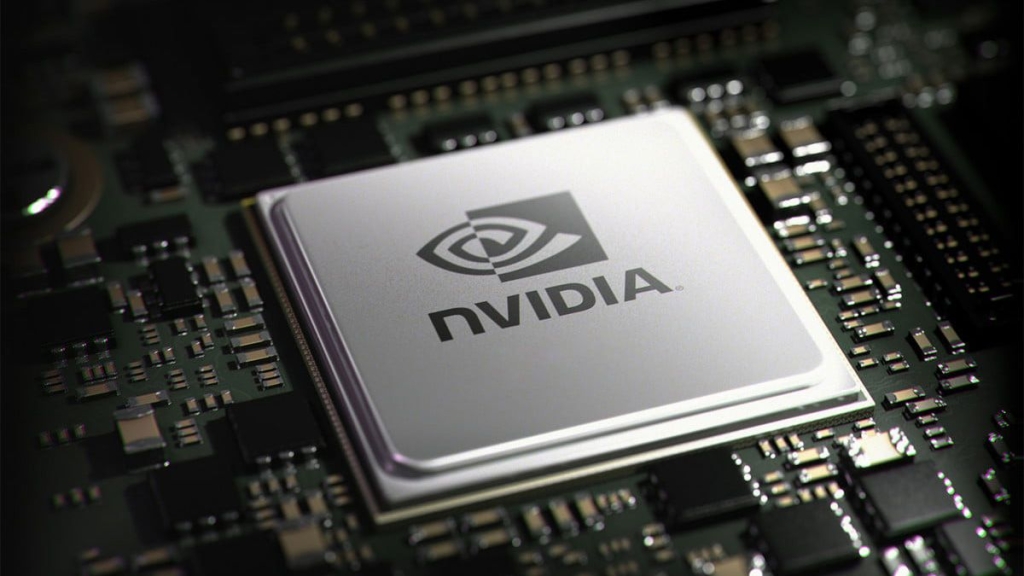
Nvidia’s Arm-Powered Laptops Could Arrive as Early as Q2 2026, Report Claims
In a bombshell development that could shake up the PC industry, a new report from the Wall Street Journal suggests that laptops powered by Nvidia’s highly-anticipated Arm-based processors might hit the market as early as the first half of 2026. This revelation comes as the tech giant continues its aggressive push into the CPU market, challenging established players like Intel and AMD with its N1 and N1X processor lines.
The WSJ report, citing sources familiar with Nvidia’s supply chain, indicates that major manufacturers Dell and Lenovo are already working on laptops featuring these new Arm CPUs. The processors, developed in collaboration with MediaTek, represent Nvidia’s boldest move yet to establish itself as a comprehensive computing powerhouse beyond its dominant position in graphics cards and AI hardware.
The Arm Advantage: Power Efficiency Meets Performance
Arm-based processors have long been celebrated for their exceptional power efficiency, a characteristic that has made them the architecture of choice for smartphones and tablets. In the laptop space, this translates to devices that can deliver all-day battery life without compromising on performance. The Nvidia-N1 series promises to bring this efficiency to Windows laptops, potentially creating a new category of ultra-portable machines that don’t require constant charging.
The report suggests that Nvidia’s silicon could help manufacturers create notebooks that are simultaneously lighter, thinner, and more power-efficient. This trifecta of improvements addresses three of the most sought-after qualities in modern laptops, potentially setting a new standard for what users can expect from portable computing devices.
Gaming on Arm: A New Frontier
One of the most intriguing aspects of Nvidia’s entry into the Arm laptop market is the potential for enhanced gaming capabilities. Unlike previous Arm-based Windows laptops that struggled with gaming performance, Nvidia’s chips are rumored to feature integrated graphics that could rival dedicated solutions. Sources suggest the GPU core count might approach that of the RTX 5070, though realistic performance expectations must account for the thermal constraints of integrated graphics.
Nvidia’s expertise in GPU technology could be the key differentiator that finally makes Arm-based Windows laptops viable for mainstream gaming. The company’s track record with driver optimization and graphics performance could help overcome the compatibility issues that have historically plagued Arm-based Windows devices, particularly in gaming scenarios.
The Competitive Landscape
Nvidia’s Arm CPUs will face stiff competition from established players. Qualcomm’s Snapdragon X series has already made significant inroads in the Windows on Arm market, offering impressive battery life and gradually improving Windows compatibility. Apple’s M-series chips have demonstrated what’s possible with custom Arm silicon in laptops, setting a high bar for performance and efficiency.
However, Nvidia brings unique advantages to the table. The company’s deep expertise in AI acceleration, combined with its graphics prowess, could result in laptops that excel at both productivity tasks and creative workloads. The integration of AI capabilities directly into the processor architecture could provide advantages in areas like video processing, image generation, and machine learning applications.
Timeline and Market Readiness
While the WSJ report suggests a Q2 2026 launch window, industry analysts remain cautious about the timeline. The PC market is currently grappling with a RAM shortage that could impact production schedules across the industry. Additionally, the complexity of launching a new processor architecture means that even with major partners like Dell and Lenovo on board, there could be delays or limited initial availability.
The report’s tentative language suggests that even within Nvidia and its manufacturing partners, there may not be complete consensus on the exact launch timing. This uncertainty is common in the tech industry, particularly when introducing new architectures that require significant software optimization and driver development.
Software Ecosystem Challenges
Despite the hardware promise, Nvidia’s Arm laptops will need to overcome the software compatibility challenges that have historically limited Windows on Arm adoption. While Microsoft has made significant strides in improving Windows compatibility with Arm processors, some applications—particularly specialized professional software and certain games—may still face performance issues or require emulation.
Nvidia’s entry could accelerate the development of native Arm applications, as developers respond to the prospect of a major new hardware platform backed by one of the industry’s most influential companies. The company’s clout in the gaming and creative software markets could prove particularly valuable in encouraging developers to optimize their applications for Arm architecture.
Beyond Laptops: The Broader Nvidia Strategy
The Arm laptop initiative appears to be just one component of Nvidia’s broader CPU strategy. Rumors suggest the company is also developing desktop versions of its Arm processors and exploring x86 CPU designs through partnerships with Intel. This multi-pronged approach indicates Nvidia’s ambition to become a dominant force across all computing segments, from mobile devices to data centers.
The collaboration with MediaTek for the laptop chips, combined with the Intel partnership for x86 designs, demonstrates Nvidia’s pragmatic approach to entering the CPU market. Rather than attempting to build everything in-house immediately, the company is leveraging partnerships to accelerate its market entry while building its internal capabilities.
Market Impact and Consumer Implications
If successful, Nvidia’s Arm laptops could fundamentally reshape the Windows laptop market. Consumers might soon have access to devices that offer unprecedented battery life without sacrificing performance, potentially making traditional x86 laptops seem power-hungry by comparison. The integration of Nvidia’s AI capabilities could also enable new use cases and applications that aren’t possible on current hardware.
For gamers, the prospect of thin-and-light laptops capable of running modern games at respectable settings could be particularly appealing. While integrated graphics will always face limitations compared to dedicated GPUs, Nvidia’s expertise in optimizing graphics performance could narrow this gap significantly.
Looking Ahead
As 2026 approaches, the tech industry will be watching closely to see if Nvidia can deliver on its Arm laptop promises. The company’s track record of innovation and execution suggests it has the technical capability to succeed, but the challenges of entering a mature market with established players should not be underestimated.
Whether the Q2 2026 timeline proves accurate or not, one thing is clear: Nvidia’s entry into the CPU market represents a significant shift in the competitive landscape. Consumers, developers, and industry competitors alike will need to prepare for a future where Arm-based Windows laptops are no longer a niche category but a mainstream option backed by one of technology’s most influential companies.
The coming months will likely bring more details about specifications, pricing, and specific device designs. For now, the tech world waits with anticipation to see if Nvidia can translate its graphics and AI expertise into compelling laptop processors that can challenge the x86 dominance that has defined personal computing for decades.
Nvidia Arm Laptop Revolution
Windows on Arm Gaming
Dell Lenovo Arm Laptops 2026
Nvidia N1 N1X Processors
MediaTek Nvidia Collaboration
Ultra-Portable Gaming Laptops
Battery Life Breakthrough
AI-Powered Windows Laptops
Next-Gen Laptop Architecture
Gaming Performance Revolution
Tech Industry Disruption
Processor Market Shakeup
Mobile Computing Future
Nvidia CPU Strategy
Windows Compatibility Evolution
Professional Creative Workloads
Integrated Graphics Innovation
Power Efficiency Leadership
Software Ecosystem Growth
Hardware Architecture Evolution
,

Leave a Reply
Want to join the discussion?Feel free to contribute!