
Do Nighttime Driving Glasses Work? A Science-Backed Guide for This Winter
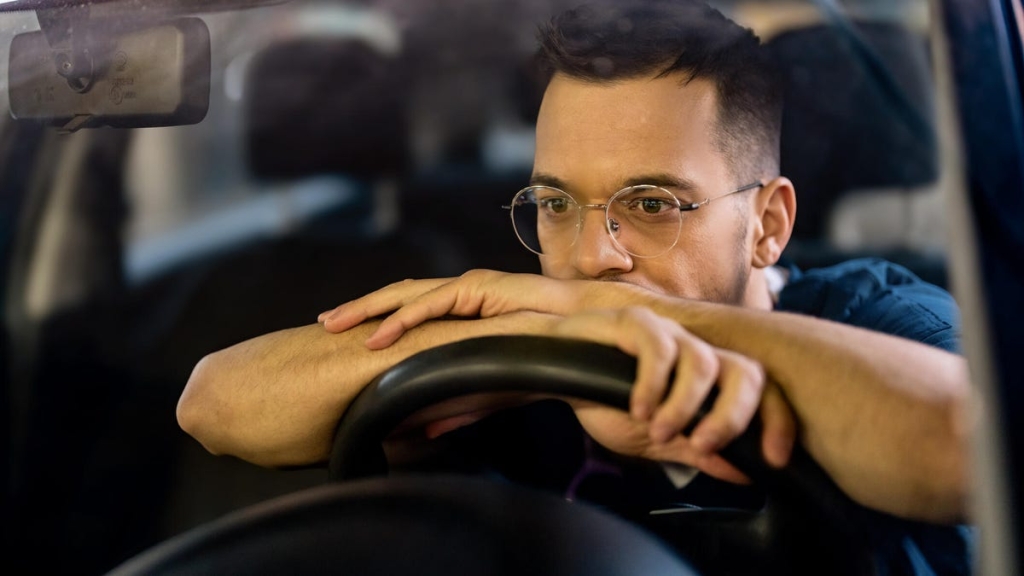
The Night Driving Glasses Dilemma: Do They Really Work or Are They Just a Glaring Myth?
Driving at night has become increasingly challenging in our modern world. Between the blinding LED headlights of newer SUVs and the harsh blue-white glare that leaves “ghost spots” on your vision, navigating roads after dark can feel like traversing a minefield of light pollution. This growing concern has led many drivers to seek solutions, with “night driving glasses” emerging as a popular option.
These yellow-tinted lenses promise to neutralize piercing glare and sharpen your focus in low-light settings, but do they actually deliver on these claims? Let’s dive deep into the science, controversy, and practical considerations surrounding night driving glasses.
What Exactly Are Night Driving Glasses?
Night driving glasses are specialized eyewear designed specifically for low-light conditions. They typically feature:
- Yellow or amber-tinted lenses that filter out certain wavelengths of light
- Antireflective (AR) coatings to reduce glare from bright lights
- Polarized lenses in some models to minimize reflections from wet roads and other surfaces
The primary goal is to make nighttime driving more comfortable by reducing eye strain, improving visual contrast, and minimizing the distracting effects of oncoming headlights. Unlike regular prescription glasses, these are marketed as an enhancement for night vision rather than a vision correction tool.
The Science Behind the Claims
The effectiveness of night driving glasses rests on several optical principles:
-
Blue Light Filtration: The yellow tint specifically targets blue light wavelengths (around 400-500 nanometers), which are prevalent in modern LED and HID headlights. By filtering these wavelengths, the glasses aim to reduce the harsh glare that can temporarily blind drivers.
-
Contrast Enhancement: Yellow lenses can increase contrast in certain lighting conditions by blocking scattered blue light, potentially making objects appear sharper and more defined.
-
Glare Reduction: The combination of tinting and antireflective coatings works to minimize the intensity of bright lights, reducing the “halo effect” around headlights and streetlights.
The Controversy: Do They Actually Work?
Here’s where things get complicated. The scientific community remains divided on the effectiveness of night driving glasses, with research yielding mixed results:
Studies Suggesting Limited Benefits:
- A 2019 study published in JAMA Ophthalmology found that yellow-tinted glasses actually reduced participants’ ability to detect pedestrians at night
- The American Academy of Ophthalmology has stated that these glasses may hurt rather than help night vision by reducing overall light transmission
- In 1997, the Federal Trade Commission sued a marketer of night driving glasses for making unsubstantiated safety claims
Arguments in Favor:
- Many drivers report subjective improvements in comfort and reduced eye strain
- Drivesafeonline.org, a state-licensed defensive driving organization, acknowledges that while research is mixed, many drivers find them beneficial
- The glasses may reduce glare and eye fatigue, even if they don’t improve actual visual acuity
The consensus seems to be that while night driving glasses may reduce glare and eye strain, they might do so at the cost of overall light transmission, potentially making it harder to see in already challenging low-light conditions.
Who Should Consider Night Driving Glasses?
Night driving glasses aren’t for everyone. They may be worth considering if:
- You experience significant eye strain or discomfort when driving at night
- You’re particularly sensitive to bright lights or have light-colored eyes
- You drive frequently in areas with intense artificial lighting
- You’ve consulted with an eye doctor who believes they might benefit your specific situation
However, they’re not recommended for:
- People with existing vision problems who need prescription glasses
- Those who haven’t had a recent eye examination
- Drivers who experience any decrease in visibility when wearing them
Choosing the Right Night Driving Glasses
If you decide to try night driving glasses, look for these features:
- Quality Lens Material: Opt for polycarbonate or high-index plastic for durability and clarity
- Proper Tint: Yellow or amber tints work best, but avoid overly dark lenses that could impair vision
- Antireflective Coating: Essential for reducing glare from both external lights and lens reflections
- UV Protection: Even at night, UV protection can help protect your eyes
- Comfortable Fit: The glasses should fit well without creating pressure points
Health Conditions That Affect Night Vision
Several medical conditions can impair your ability to see at night, making it crucial to address underlying issues rather than relying solely on glasses:
- Nyctalopia (Night Blindness): Difficulty seeing in low light conditions
- Cataracts: Clouding of the eye lens that reduces light transmission
- Vitamin A Deficiency: Essential for proper retinal function
- Retinitis Pigmentosa: Genetic condition causing progressive vision loss
- Diabetic Retinopathy: Damage to blood vessels in the retina
Alternative Strategies for Better Night Vision
Before investing in specialized glasses, consider these proven methods to improve your night driving experience:
- Regular Eye Exams: The foundation of good night vision
- Proper Vehicle Maintenance: Clean headlights, properly aligned beams, and clean windshields
- Adaptive Techniques: Allow your eyes time to adjust to darkness, avoid staring directly at oncoming lights
- Lifestyle Factors: Stay hydrated, get adequate sleep, and maintain overall health
Safety Tips for Night Driving
Whether you use night driving glasses or not, follow these essential safety practices:
- Keep your windshield and headlights clean
- Use high beams appropriately (not in fog or when approaching other vehicles)
- Reduce interior lighting to minimize reflections
- Take regular breaks on long night drives
- Be extra vigilant for pedestrians and animals
The Bottom Line
Night driving glasses remain a controversial solution to a real problem. While they may provide subjective benefits for some drivers, particularly in reducing glare and eye strain, the scientific evidence doesn’t support claims that they significantly improve safety or visual acuity at night.
The most responsible approach is to:
- Get regular eye examinations
- Address any underlying vision problems
- Maintain your vehicle properly
- Consider night driving glasses only after consulting with an eye care professional
- Always prioritize proven safety measures over unproven quick fixes
Remember, no pair of glasses can substitute for good vision care, proper vehicle maintenance, and safe driving practices. If you’re struggling with night vision, the first step should always be a comprehensive eye examination to rule out treatable conditions and ensure you have the correct prescription if needed.
Tags: #NightDriving #NightDrivingGlasses #EyeHealth #SafeDriving #DrivingTips #VisionCare #Automotive #RoadSafety #NightVision #DrivingGlasses
Viral Sentences:
“Driving at night feels like staring into a supernova with modern headlights”
“Night driving glasses: Vision savior or dangerous placebo?”
“The yellow tint controversy: Do these glasses help or hurt your night vision?”
“Why your $50 night driving glasses might be making things worse”
“The science behind why blue light from headlights is blinding you”
“Eye doctors weigh in: The truth about night driving glasses”
“How to actually see better when driving at night (hint: it’s not glasses)”
“The hidden dangers of relying on night driving glasses”
“Why the FTC sued a night driving glasses company in 1997”
“The surprising link between vitamin A and your night vision”
,
Leave a Reply
Want to join the discussion?Feel free to contribute!