
DOJ released Epstein files with dozens of nudes and victims’ names, reports say
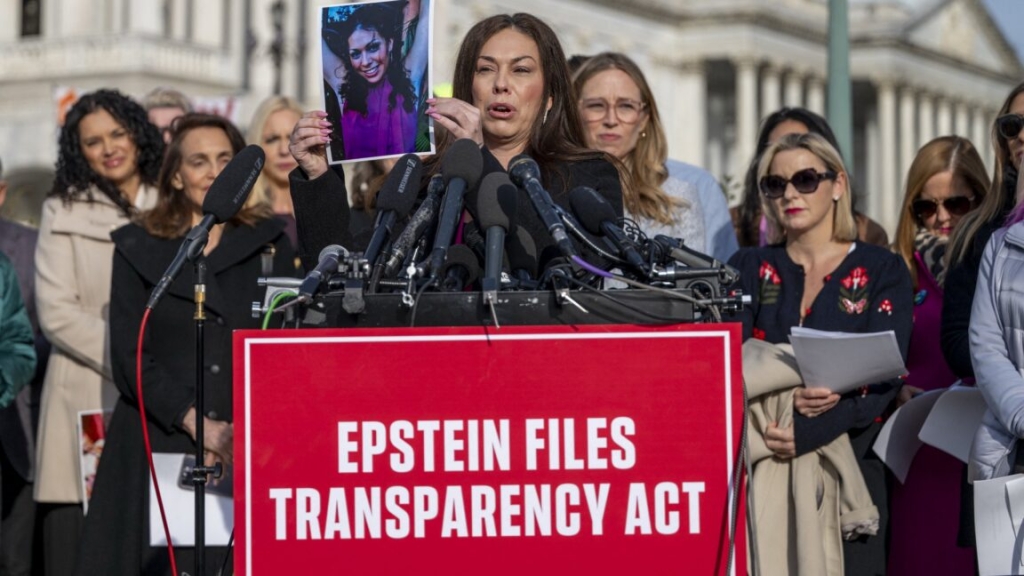
DOJ Releases Epstein Files with Thousands of Unredacted Images and Victim Names, Sparking Outrage
In a stunning and deeply troubling development, the U.S. Department of Justice has come under intense scrutiny after releasing over 3 million pages of documents related to the Jeffrey Epstein case—only to discover that thousands of images, including explicit nudes, and the names of victims were left unredacted in the public release. The massive data dump, which includes more than 2,000 videos and 180,000 images, was intended to comply with a court order demanding transparency. Instead, it has ignited a firestorm of criticism from legal experts, victim advocates, and the public alike.
A Catastrophic Oversight
According to reports from ABC News, attorney Brad Edwards, who represents multiple Epstein victims, described the situation as nothing short of a disaster. “We are getting constant calls from victims because their names, despite them never coming forward, being completely unknown to the public, have all just been released for public consumption,” Edwards said. “It’s literally thousands of mistakes.”
Edwards went on to urge the government to “take the thing down for now” rather than attempting to fix the errors piecemeal—a suggestion that underscores the gravity of the situation. The release of such sensitive information not only violates the privacy of victims but also risks retraumatizing those who have already endured unimaginable harm.
The DOJ’s Defense
In a statement released on Friday, the DOJ defended its actions, claiming it had made “all reasonable efforts” to review and redact personal information. The agency explained that the files were collected from five primary sources, including cases against Epstein and his associate Ghislaine Maxwell, FBI investigations, and the Office of Inspector General’s probe into Epstein’s death.
“The Department used an additional review protocol to comply with a court order requiring that no victim-identifying information be included unredacted in the public release,” the DOJ stated. However, the sheer volume of the data—over 3 million pages—appears to have overwhelmed the review process, leading to the catastrophic errors.
A Disclaimer That Falls Short
The DOJ’s Epstein files webpage includes a disclaimer acknowledging the potential for errors. “In view of the Congressional deadline, all reasonable efforts have been made to review and redact personal information pertaining to victims, other private individuals, and protect sensitive materials from disclosure,” the disclaimer reads. “That said, because of the volume of information involved, this website may nevertheless contain information that inadvertently includes non-public personally identifiable information or other sensitive content, to include matters of a sexual nature.”
While the disclaimer attempts to address the issue, it does little to mitigate the harm caused to victims whose identities have been exposed. The agency has urged the public to report any materials that should not have been included by emailing [email protected].
A Call for Accountability
The release of the Epstein files has reignited calls for accountability within the justice system. Critics argue that the DOJ’s failure to adequately protect victims’ identities is emblematic of a broader pattern of negligence and incompetence. “This is not just a technical error,” said one legal expert. “It’s a betrayal of the victims and a failure of the institutions tasked with protecting them.”
Victim advocates are demanding immediate action to remove the unredacted materials and implement stricter protocols to prevent similar incidents in the future. “The government has a responsibility to protect the privacy and dignity of victims,” Edwards emphasized. “This is a failure on every level.”
The Broader Implications
The Epstein case has long been shrouded in controversy, with allegations of high-level complicity and systemic failures to hold powerful individuals accountable. The mishandling of the files release only adds to the perception that justice remains elusive for many of Epstein’s victims.
As the DOJ scrambles to address the fallout, questions linger about how such a massive oversight could occur. Was it a result of inadequate resources, poor planning, or something more sinister? For now, the answers remain unclear, but one thing is certain: the release of the Epstein files has exposed not only the vulnerabilities of the justice system but also the enduring pain of those who have suffered at the hands of Epstein and his associates.
Conclusion
The DOJ’s release of the Epstein files is a stark reminder of the challenges involved in balancing transparency with the need to protect victims’ privacy. While the agency’s intentions may have been to comply with a court order, the execution has been nothing short of disastrous. As the fallout continues, it is imperative that the government takes swift and decisive action to rectify the errors and restore the trust of the victims and the public.
In the words of Brad Edwards, “This is not just about redacting names and images. It’s about doing what’s right for the victims.” The question now is whether the DOJ will rise to the occasion—or whether this latest scandal will further erode confidence in the institutions meant to deliver justice.
Tags & Viral Phrases:
- DOJ Epstein files release
- Unredacted victim names
- Thousands of explicit images leaked
- Brad Edwards Epstein victims
- DOJ fails to protect victims
- Jeffrey Epstein case scandal
- Justice Department incompetence
- Ghislaine Maxwell case documents
- FBI Epstein investigations
- Epstein files public outcry
- Victim privacy violation
- DOJ disclaimer fails
- Epstein death investigation
- High-profile case mishandling
- Justice system failures
- Retraumatizing victims
- Accountability demanded
- Systemic negligence
- Transparency vs. privacy
- Government trust eroded
,


Leave a Reply
Want to join the discussion?Feel free to contribute!