
Don’t Miss This Week’s Blood Moon. It Will Be The Last You’ll See For a While. : ScienceAlert
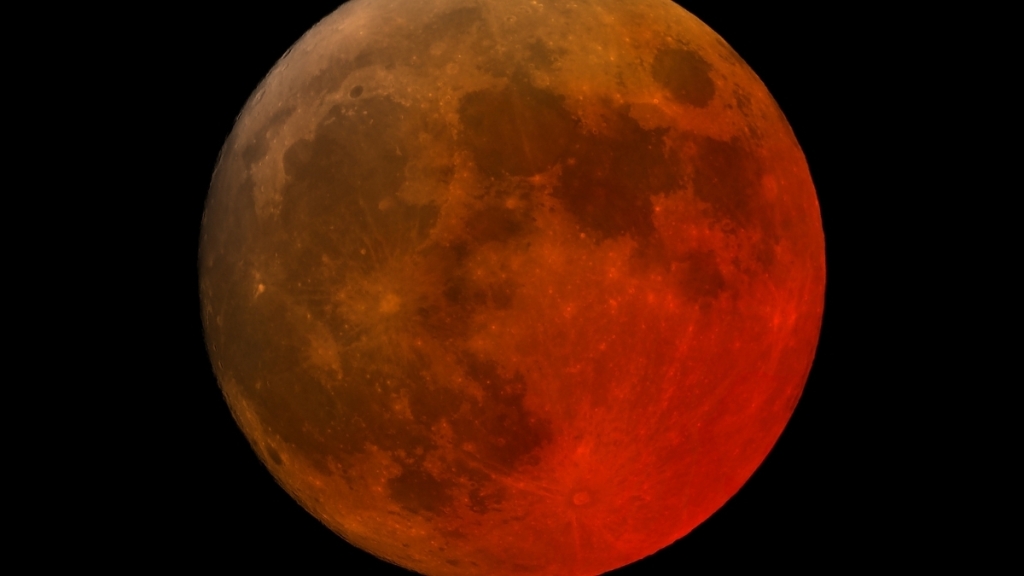
Cosmic Spectacle: Blood Moon Lunar Eclipse to Dazzle Skies – Don’t Miss This Rare Celestial Event!
Prepare for a breathtaking astronomical phenomenon as the heavens prepare to showcase one of nature’s most mesmerizing displays! On Tuesday morning, the Moon will transform into a stunning crimson orb, creating what astronomers call a “blood moon” during a total lunar eclipse. This isn’t just any lunar event – it’s a once-in-a-lifetime opportunity, as the next total lunar eclipse won’t grace our skies until late 2028!
Where and When to Witness This Celestial Marvel
The cosmic show will be visible across North America, Central America, and the western regions of South America during Tuesday morning hours. Our friends across the Pacific won’t miss out either – Australia and eastern Asia can catch this spectacular event Tuesday night, making it truly a global phenomenon that unites sky-watchers across continents.
For those in Central Asia and much of South America, you’ll still get a partial view with small, tantalizing bites being taken out of the lunar surface. Unfortunately, Africa and Europe will be left out of this particular cosmic party, as the Moon will be below the horizon during the eclipse for these regions.
The Science Behind the Spectacle
This breathtaking event occurs due to a precise alignment of the Sun, Moon, and Earth – a cosmic dance that happens between four and seven times annually, according to NASA’s astronomical calculations. What makes this particular alignment so special is the “sweet spot” in the celestial bodies’ orbits that creates these perfect eclipses.
The timing is particularly interesting, as this total lunar eclipse comes just two weeks after a mesmerizing ‘ring of fire’ solar eclipse that captivated audiences from Antarctica to the southernmost tips of South America. During that solar event, the Moon passed directly in front of the Sun, creating a stunning halo effect that left both humans and wildlife in awe.
Why the Moon Turns Blood Red
During a total lunar eclipse, Earth positions itself directly between the Sun and the full moon, casting its shadow across the lunar surface. The “blood moon” phenomenon occurs because of a fascinating optical effect – as sunlight passes through Earth’s atmosphere, the blue wavelengths scatter while the red wavelengths bend around our planet, painting the Moon in a haunting crimson hue.
This eerie red glow has captivated humans for millennia, inspiring countless myths, legends, and cultural interpretations across civilizations. From ancient Chinese tales of a celestial dragon devouring the Moon to various indigenous American stories about lunar transformations, this blood-red appearance has always held profound significance for humanity.
What to Expect: A Relaxed Celestial Show
Unlike the frenetic excitement of solar eclipses, lunar eclipses offer a more relaxed viewing experience. The entire event unfolds over several hours, with totality – the period when the Moon is completely covered by Earth’s shadow – lasting approximately one hour.
Catherine Miller from Middlebury College’s Mittelman Observatory describes it perfectly: “The lunar eclipse is a little more of a relaxed pace compared to a solar eclipse.” This leisurely timeline means you can enjoy the show without the pressure of precise timing that solar eclipses demand.
Your Guide to Optimal Viewing
The good news for aspiring astronomers and casual observers alike is that no special equipment is required! Unlike solar eclipses which demand protective eyewear, lunar eclipses are perfectly safe to view with the naked eye. All you need is a clear, cloudless sky and perhaps a comfortable chair to settle into for the show.
For the best experience, use a weather app or online celestial calendar to determine the exact timing for your specific location. The eclipse progresses through distinct phases, so consider venturing outside several times to witness the gradual transformation as Earth’s shadow slowly engulfs the Moon.
Astronomer Bennett Maruca from the University of Delaware offers this practical advice: “You don’t have to be out there the whole time to see the shadows moving.” The changes are subtle but unmistakable as the Moon transitions from its normal bright glow to the deep, mysterious red of totality.
The Bigger Picture: Eclipses in Our Cosmic Calendar
This total lunar eclipse represents just one event in a fascinating pattern of celestial occurrences. Following this spectacular show, a partial lunar eclipse is already scheduled for August, visible across the Americas, Europe, Africa, and western Asia. This means we’re in the midst of an active eclipse season, offering multiple opportunities to witness these cosmic alignments.
Cultural Significance and Historical Context
Throughout human history, lunar eclipses have held profound cultural significance. Many ancient civilizations viewed them as omens, while others incorporated them into religious and agricultural calendars. The blood moon, in particular, has often been associated with transformation, renewal, and significant life changes in various cultural traditions.
Modern astronomy has demystified these events, but they remain powerful reminders of our place in the cosmos. Watching the Moon transform before our eyes connects us to our ancestors who watched the same celestial mechanics play out thousands of years ago, creating a timeless bond between past, present, and future sky-watchers.
Photography Tips for Capturing the Moment
For those wanting to document this celestial event, lunar eclipses offer excellent photography opportunities. Unlike the brief window of solar totality, the extended duration of lunar eclipses allows for multiple attempts and creative compositions. A tripod is essential for sharp images, and experimenting with different exposure times can capture the subtle variations in the Moon’s red hue.
Final Thoughts: A Cosmic Reminder
As we prepare to witness this spectacular blood moon lunar eclipse, it serves as a powerful reminder of the vast, beautiful universe we inhabit. In our busy lives, these celestial events offer moments of pause, wonder, and connection to something greater than ourselves. Whether you’re a seasoned astronomer or simply someone who appreciates natural beauty, this Tuesday’s lunar eclipse promises to be an unforgettable experience.
So set your alarms, find a good viewing spot, and prepare to be amazed as Earth’s shadow transforms our familiar Moon into a haunting, beautiful blood-red orb – a cosmic performance that won’t be repeated for another three years!
Tags: #BloodMoon #LunarEclipse #Astronomy #Space #CelestialEvents #CosmicPhenomenon #NightSky #Stargazing #NASA #AstronomyLovers #Moon #SpacePhotography #CosmicEvents #TotalLunarEclipse #CelestialShow
Viral Phrases: “Don’t miss this rare celestial event!” “Once-in-a-lifetime opportunity” “Cosmic spectacle” “Breathtaking astronomical phenomenon” “Nature’s most mesmerizing displays” “Global phenomenon” “Haunting crimson hue” “Eerie red glow” “Celestial dance” “Cosmic alignment” “Sky-watchers unite” “Timeless bond” “Cosmic reminder” “Unforgettable experience” “Prepare to be amazed!”
,


Leave a Reply
Want to join the discussion?Feel free to contribute!