
Don’t wait for the MacBook Neo 2: Leaked roadmap suggests Apple just killed its best feature
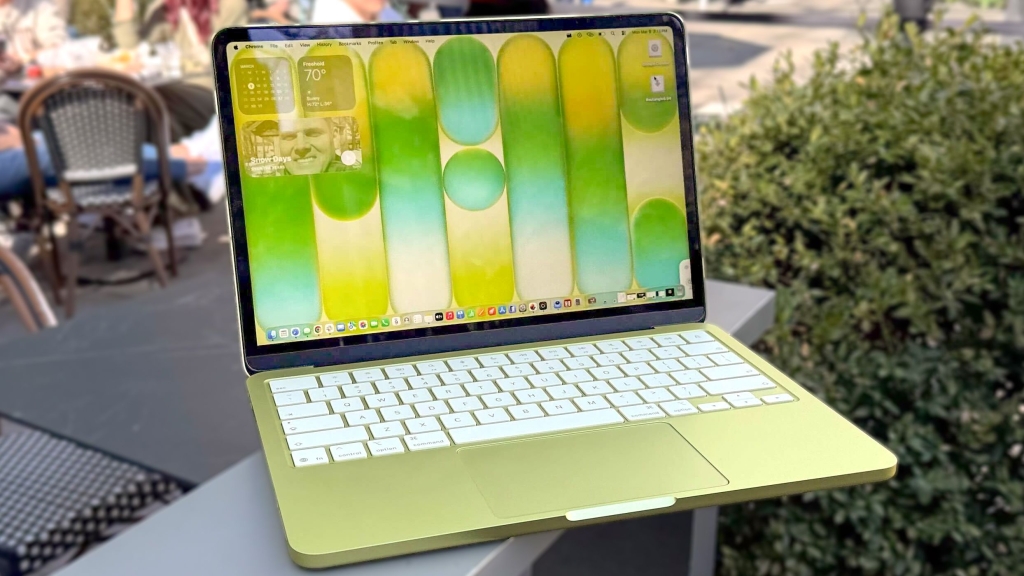
Apple’s Budget-Friendly MacBook Neo: A Deep Dive into the Future of Affordable Computing
In a surprising move that’s sent shockwaves through the tech industry, Apple has finally unveiled its long-rumored budget-friendly MacBook Neo. This new addition to the MacBook family promises to bring Apple’s signature design and performance to a more accessible price point, potentially disrupting the low-cost laptop market dominated by Chromebooks and Windows-based machines.
The MacBook Neo, as tipped by renowned analyst Ming-Chi Kuo, features a 13-inch display and is powered by Apple’s A18 Pro chipset – the same processor found in the latest iPhone 16 Pro. This strategic move allows Apple to leverage its mobile technology for a laptop, potentially offering impressive performance while keeping costs down.
Design and Features
True to Apple’s design philosophy, the MacBook Neo comes in a range of vibrant colors including silver, indigo, blush, and citrus. This color palette, as predicted by Kuo, adds a playful touch to the traditionally conservative MacBook lineup. The laptop’s sleek aluminum body maintains the premium feel Apple is known for, despite its more affordable price tag.
One notable absence in the MacBook Neo is a touchscreen display. Kuo initially suggested that the Neo 2 might feature a touch panel to compete with Chromebooks, but this seems to have been scrapped for the current model. This decision aligns with Apple’s current MacBook strategy, as even their high-end models lack touchscreens. However, rumors persist that the next MacBook Pro will break this trend, potentially featuring a touchscreen and OLED display before the end of 2026.
Performance and Battery Life
The A18 Pro chipset, while not as powerful as Apple’s M-series chips found in other MacBooks, should still offer impressive performance for everyday tasks. Users can expect smooth multitasking, fast app launches, and efficient power management. The chip’s integration with iOS and iPadOS could also bring unique features and optimizations to the MacBook Neo.
Battery life is expected to be a strong point for the MacBook Neo, thanks to the energy-efficient A18 Pro chip and Apple’s tight hardware-software integration. Users should be able to get through a full day of work or study on a single charge, making it an ideal companion for students and professionals on the go.
Storage and Connectivity
While specific details about storage options haven’t been officially confirmed, it’s likely that the MacBook Neo will offer a range of configurations to suit different needs and budgets. Expect options starting from 256GB, with potential upgrades to 512GB or 1TB for power users.
In terms of connectivity, the MacBook Neo is expected to feature a good selection of ports, including USB-C/Thunderbolt ports for fast data transfer and charging. Given Apple’s recent trends, it’s possible that the laptop may also include a MagSafe charging port, offering a convenient and secure way to power up the device.
Software and Ecosystem Integration
The MacBook Neo will run on macOS, providing users with access to Apple’s suite of productivity apps and a vast library of third-party software. Its integration with other Apple devices and services will be a key selling point, allowing for seamless handoff between iPhone, iPad, and the new MacBook Neo.
Future Prospects: OLED Displays and Beyond
Looking ahead, Kuo predicts that Apple will introduce OLED displays to its MacBook lineup, starting with the MacBook Pro. This upgrade is expected to bring richer colors, deeper blacks, and improved energy efficiency to Apple’s premium laptops. The MacBook Air, however, may have to wait until 2028 or 2029 for its OLED upgrade.
The RAM Crisis: Apple’s Opportunity
Interestingly, Kuo suggests that Apple plans to use the ongoing RAM crisis to its advantage. By securing chips, absorbing costs, and maintaining competitive pricing, Apple aims to grab more market share from PC manufacturers struggling with the memory shortage. This strategy could see the MacBook Neo become a dominant force in the budget laptop segment, potentially forcing competitors to raise prices or compromise on specs.
The Bigger Picture: Apple’s Strategy
The introduction of the MacBook Neo represents a significant shift in Apple’s strategy. By offering a more affordable option, Apple is likely aiming to expand its user base, particularly in education and emerging markets. This move could also serve as a gateway for users to enter the Apple ecosystem, potentially leading to future upgrades to more premium Apple products.
Conclusion
The MacBook Neo is more than just a budget laptop; it’s a strategic play by Apple to expand its market share and challenge the dominance of Chromebooks and Windows-based machines in the affordable computing space. With its blend of Apple’s design aesthetics, solid performance, and competitive pricing, the MacBook Neo is poised to make waves in the tech industry.
As we look to the future, the potential for OLED displays, improved performance, and continued integration with Apple’s ecosystem suggest that the MacBook Neo and its successors could play a significant role in shaping the future of personal computing. Whether you’re a student, a professional, or simply an Apple enthusiast looking for a more affordable option, the MacBook Neo offers an intriguing glimpse into the future of accessible, high-quality computing.
#MacBookNeo #Apple #BudgetLaptop #TechNews #A18Pro #OLEDMacBooks #RAMCrisis #AffordableComputing #TechInnovation #AppleEcosystem
Tags: MacBook Neo, Apple, budget laptop, A18 Pro, touchscreen, OLED display, RAM crisis, macOS, tech industry, affordable computing, Apple ecosystem, Ming-Chi Kuo, Chromebook competitor, 13-inch laptop, mobile computing, future of laptops, tech strategy, market disruption, battery life, color options, connectivity, software integration, OLED MacBook Pro, MacBook Air, tech predictions, Apple design, Silicon Valley, personal computing, student laptop, professional laptop, emerging markets, education technology, hardware-software integration, mobile technology, tech trends, industry analysis, product launch, consumer electronics, laptop market, computing power, energy efficiency, data transfer, charging technology, productivity apps, third-party software, handoff feature, premium feel, aluminum body, vibrant colors, tech strategy, market share, memory shortage, pricing strategy, user base expansion, ecosystem gateway, tech industry analysis, affordable option, quality computing, accessible technology, personal computing future, solid performance, competitive pricing, tech waves, industry shaping, high-quality computing, intriguing glimpse, accessible high-quality computing.,

Leave a Reply
Want to join the discussion?Feel free to contribute!