
DRILLAPP Backdoor Targets Ukraine, Abuses Microsoft Edge Debugging for Stealth Espionage
Here’s the rewritten news article in a detailed, tech-focused, and viral style:
BREAKING: Russian-Linked Hackers Target Ukraine with Next-Gen Browser-Based Malware
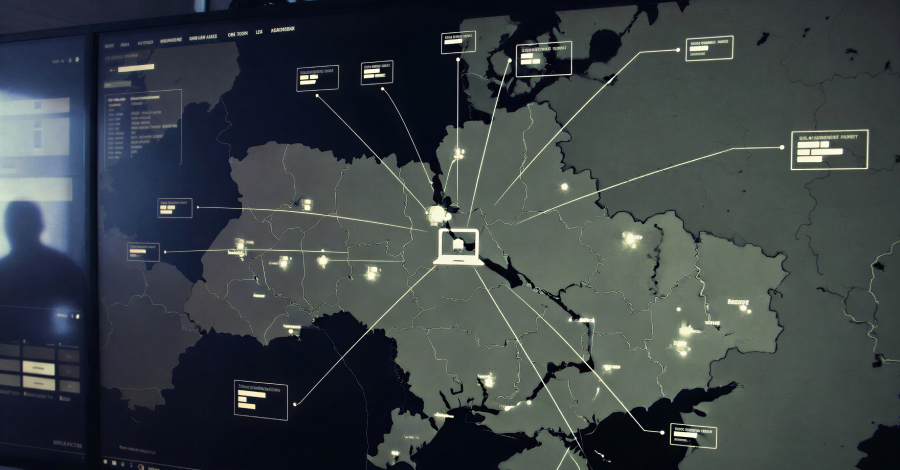
In a chilling development that underscores the escalating cyber warfare between Russia and Ukraine, cybersecurity researchers have uncovered a sophisticated new malware campaign targeting Ukrainian entities. The campaign, dubbed DRILLAPP, represents a significant evolution in cyber-espionage tactics, leveraging the very browsers we use daily to compromise systems.
The Anatomy of a Digital Weapon
Discovered in February 2026 by Spain’s S2 Grupo LAB52 threat intelligence team, DRILLAPP is a JavaScript-based backdoor that operates through Microsoft Edge in headless mode—essentially invisible to the user. What makes this malware particularly insidious is its ability to hijack your browser’s legitimate functions to perform malicious activities.
The attack begins with seemingly innocuous lures: fake Starlink installation prompts or appeals from the Come Back Alive Foundation, a real Ukrainian charity supporting military personnel. Victims who engage with these lures unwittingly trigger a complex infection chain.
How It Works: The Devil’s in the Details
The malware employs a multi-stage attack process that would impress even the most seasoned cybersecurity professionals. Initially, Windows shortcut files (LNK) are deployed, which create HTML Application files in temporary folders. These then load remote scripts from Pastefy, a legitimate paste service that the attackers exploit as their command-and-control infrastructure.
Once activated, Edge launches with a series of alarming parameters: –no-sandbox, –disable-web-security, and –allow-file-access-from-files among them. These flags essentially strip away the browser’s protective barriers, granting the malware unprecedented access to your system.
The technical sophistication doesn’t stop there. DRILLAPP uses the Chrome DevTools Protocol (CDP) to bypass JavaScript’s security restrictions, enabling remote file downloads that would typically be impossible through standard web technologies.
A Spy in Your Browser
Once installed, DRILLAPP transforms your browser into a surveillance tool. It can:
- Upload and download files from your system
- Access your microphone for audio capture
- Activate your webcam for video recording
- Take screenshots of your display
- Generate unique device fingerprints using canvas fingerprinting
The malware even performs geolocation checks, specifically targeting users in the UK, Russia, Germany, France, China, Japan, the US, Brazil, India, Ukraine, Canada, Australia, Italy, Spain, and Poland. If your location doesn’t match these regions, it defaults to US-based operations.
Evolution of Evil: Version 2.0
By late February 2026, researchers observed a significant evolution in the campaign. The attackers abandoned LNK files in favor of Windows Control Panel modules, while simultaneously upgrading the backdoor’s capabilities to include recursive file enumeration, batch file uploads, and arbitrary file downloads.
This rapid iteration demonstrates that DRILLAPP is still in active development, with threat actors continuously refining their approach based on what works and what doesn’t.
Why This Matters: The Browser as Battleground
The use of web browsers as malware delivery mechanisms represents a concerning trend in cyber warfare. As LAB52 researchers noted, browsers are “common and generally non-suspicious processes” that offer extended capabilities through debugging parameters.
This approach provides several advantages to attackers:
- Evasion of traditional antivirus detection
- Legitimate access to sensitive resources
- Minimal user interaction required
- Wide compatibility across Windows systems
Attribution: Following the Digital Breadcrumbs
While definitive attribution remains challenging in cyber operations, LAB52’s analysis suggests strong links to Laundry Bear (also known as UAC-0190 or Void Blizzard), a threat actor group previously associated with attacks on Ukrainian defense forces using the PLUGGYAPE malware family.
The timing and targeting strongly indicate Russian state-sponsored involvement, though official attribution would require further intelligence community analysis.
The Bigger Picture: Cyber Warfare’s New Normal
This campaign exemplifies the evolving nature of hybrid warfare, where digital attacks complement conventional military operations. As Ukraine continues to defend against Russian aggression, cyber operations targeting critical infrastructure, government entities, and civilian organizations have become increasingly sophisticated.
The use of legitimate services like Pastefy as infrastructure, the exploitation of browser capabilities, and the targeting of specific geographic regions all point to a well-resourced, highly skilled adversary with specific strategic objectives.
Expert Analysis: What This Means for You
Cybersecurity experts emphasize that while this campaign specifically targets Ukrainian entities, the techniques employed could easily be adapted for broader use. The exploitation of browser capabilities represents a significant challenge for traditional security measures.
Users should be particularly cautious of:
- Unexpected browser windows or processes
- Unusual microphone or camera activity indicators
- Unsolicited prompts related to software installation
- Suspicious charity appeals or donation requests
Looking Forward: The Arms Race Continues
As defensive technologies evolve to detect and prevent browser-based malware, attackers will undoubtedly develop new techniques to bypass these protections. The DRILLAPP campaign represents just one chapter in an ongoing cyber arms race.
For now, organizations in Ukraine and potentially other Eastern European nations should remain on high alert, implementing robust endpoint detection and response capabilities, and educating users about the sophisticated social engineering tactics employed in these attacks.
TAGS: #CyberWarfare #UkraineConflict #DRILLAPP #Malware #BrowserExploitation #RussianHackers #CyberEspionage #ThreatIntelligence #S2Grupo #LAB52 #HeadlessBrowser #JavaScriptBackdoor #PLUGGYAPE #LaundryBear #UAC0190 #VoidBlizzard #Pastefy #ChromeDevTools #CanvasFingerprinting #WindowsSecurity #CyberDefense
VIRAL PHRASES: “browser becomes the weapon”, “headless mode hijacking”, “digital surveillance state”, “malware evolution”, “cyber arms race”, “browser-based backdoor”, “Russian cyber operations”, “Ukraine under attack”, “next-gen malware”, “invisible infection”, “webcam spying”, “microphone eavesdropping”, “canvas fingerprinting”, “command-and-control”, “threat actor sophistication”, “cyber warfare escalation”, “digital battlefield”, “malware development”, “security bypass techniques”, “browser exploitation”, “Windows shortcut attack”, “HTML Application infection”, “remote script loading”, “geolocation targeting”, “device fingerprinting”, “CDP protocol abuse”, “security flag manipulation”, “social engineering lures”, “charity-themed attacks”, “Starlink installation scam”, “Come Back Alive Foundation”, “Ukrainian entities targeted”, “Russian-linked malware”, “cyber espionage campaign”, “browser as malware vector”, “endpoint detection challenges”, “cyber defense strategies”, “threat intelligence analysis”, “malware attribution”, “state-sponsored hacking”, “Eastern European cyber threats”, “hybrid warfare tactics”, “digital military operations”, “cyber conflict escalation”, “security researcher discoveries”, “malware campaign analysis”, “browser debugging abuse”, “security feature bypass”, “file system access”, “audio video capture”, “screen recording malware”, “persistent infection”, “startup folder persistence”, “remote debugging port”, “malware development stages”, “early variant detection”, “domain communication”, “legitimate service abuse”, “paste service exploitation”, “dead drop resolver”, “WebSocket communications”, “C2 infrastructure”, “time zone targeting”, “geographic filtering”, “US default operations”, “Windows Control Panel modules”, “recursive file enumeration”, “batch file uploads”, “arbitrary file download”, “malware iteration”, “attack chain refinement”, “browser process abuse”, “non-suspicious processes”, “extended browser capabilities”, “debugging parameter abuse”, “unsafe actions enabled”, “sensitive resource access”, “immediate alert bypass”, “cybersecurity challenges”, “digital security landscape”, “emerging threats”, “malware trends”, “cyber attack techniques”, “security research findings”, “threat actor capabilities”, “cyber defense preparation”, “user education importance”, “security awareness training”, “malware detection evasion”, “traditional security measures”, “endpoint protection”, “response capabilities”, “cyber arms development”, “digital warfare evolution”, “conflict cyber dimension”, “military cyber operations”, “civilian organization targeting”, “critical infrastructure attacks”, “government entity targeting”, “well-resourced adversaries”, “highly skilled attackers”, “strategic objectives”, “cyber operation planning”, “tactical cyber warfare”, “operational security”, “digital military strategy”, “cyber conflict dynamics”, “attack vector innovation”, “malware delivery mechanisms”, “security technology evolution”, “cyber attack adaptation”, “defense technology development”, “cyber security arms race”, “digital battlefield tactics”, “malware campaign progression”, “threat actor sophistication level”, “cyber attack complexity”, “security measure challenges”, “user protection strategies”, “malware awareness”, “cyber threat landscape”, “digital security preparation”, “cyber attack prevention”, “security best practices”, “malware protection”, “cyber defense readiness”, “threat intelligence importance”, “cybersecurity research”, “malware analysis”, “digital forensics”, “cyber attack investigation”, “security incident response”, “cyber threat assessment”, “malware campaign tracking”, “threat actor monitoring”, “cyber attack documentation”, “security vulnerability identification”, “malware behavior analysis”, “cyber attack pattern recognition”, “threat intelligence sharing”, “cyber security collaboration”, “international cyber cooperation”, “cyber defense coordination”, “malware campaign reporting”, “cyber attack disclosure”, “security research publication”, “cyber threat awareness”, “digital security education”, “cyber attack prevention strategies”, “malware protection techniques”, “security implementation guidance”, “cyber defense recommendations”, “threat mitigation approaches”, “malware campaign countermeasures”, “cyber attack response planning”, “security incident handling”, “cyber threat management”, “malware campaign impact assessment”, “cyber attack consequences”, “digital security implications”, “cyber warfare effects”, “malware campaign significance”, “cyber attack importance”, “security research relevance”, “cyber threat awareness level”, “digital security understanding”, “malware campaign knowledge”, “cyber attack comprehension”, “security research awareness”, “cyber threat recognition”, “digital security literacy”, “malware campaign familiarity”, “cyber attack understanding”, “security research knowledge”, “cyber threat expertise”, “digital security proficiency”, “malware campaign expertise”, “cyber attack proficiency”, “security research proficiency”, “cyber threat proficiency”, “digital security expertise”, “malware campaign awareness”, “cyber attack awareness”, “security research awareness”, “cyber threat awareness”, “digital security awareness”, “malware campaign education”, “cyber attack education”, “security research education”, “cyber threat education”, “digital security education”, “malware campaign training”, “cyber attack training”, “security research training”, “cyber threat training”, “digital security training”, “malware campaign development”, “cyber attack development”, “security research development”, “cyber threat development”, “digital security development”, “malware campaign innovation”, “cyber attack innovation”, “security research innovation”, “cyber threat innovation”, “digital security innovation”, “malware campaign advancement”, “cyber attack advancement”, “security research advancement”, “cyber threat advancement”, “digital security advancement”, “malware campaign progress”, “cyber attack progress”, “security research progress”, “cyber threat progress”, “digital security progress”, “malware campaign evolution”, “cyber attack evolution”, “security research evolution”, “cyber threat evolution”, “digital security evolution”, “malware campaign future”, “cyber attack future”, “security research future”, “cyber threat future”, “digital security future”, “malware campaign trends”, “cyber attack trends”, “security research trends”, “cyber threat trends”, “digital security trends”, “malware campaign predictions”, “cyber attack predictions”, “security research predictions”, “cyber threat predictions”, “digital security predictions”, “malware campaign outlook”, “cyber attack outlook”, “security research outlook”, “cyber threat outlook”, “digital security outlook”
,

Leave a Reply
Want to join the discussion?Feel free to contribute!