
Drop + Epos PC38X review: still an excellent performer years after launch
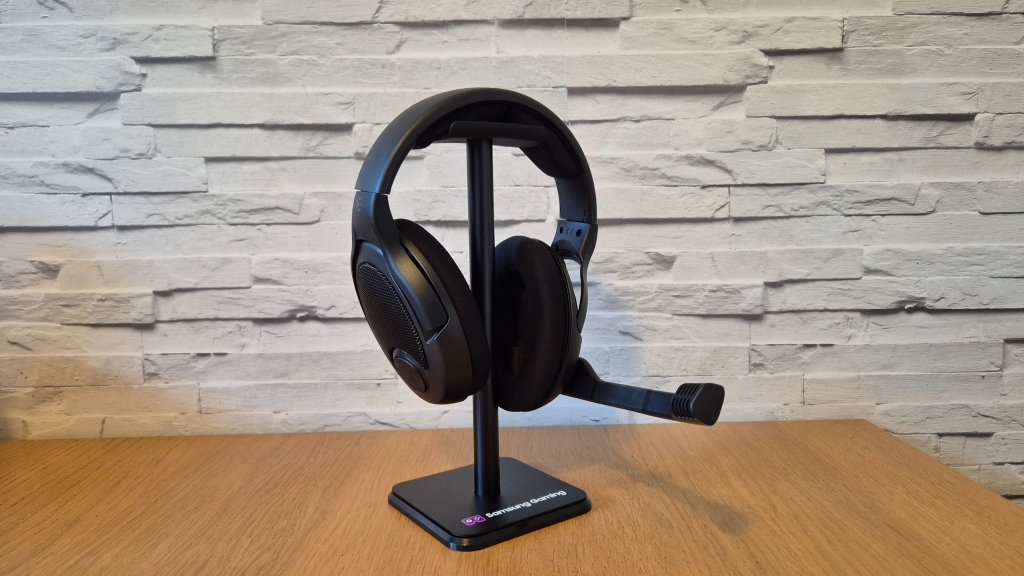
Drop + Epos PC38X Review: Still a Wired Gaming Headset Champion in 2026
The gaming headset landscape has evolved dramatically over the past few years, with wireless technology dominating the conversation and open-back designs becoming increasingly popular. Yet here we are in 2026, and the Drop + Epos PC38X continues to hold its ground as one of the most compelling options for discerning gamers who prioritize audio quality above all else. Originally released several years ago, this collaboration between Drop (formerly Massdrop) and Epos (formerly part of Sennheiser’s gaming division) has aged like fine wine, proving that exceptional audio engineering doesn’t have an expiration date.
One-Minute Review: Audio Excellence That Defies Time
The Drop + Epos PC38X isn’t just another gaming headset—it’s an audio revelation wrapped in a gaming package. What makes this headset remarkable is how it bridges the gap between dedicated audiophile headphones and gaming-specific audio gear. The sound signature is remarkably balanced, with rich, controlled bass that never overwhelms, crystal-clear mids that make dialogue and in-game communication crisp, and sparkling highs that maintain detail without becoming fatiguing during extended gaming sessions.
The open-back design philosophy employed here delivers an expansive soundstage that creates genuine spatial awareness—you’ll hear enemies approaching from behind in competitive shooters with uncanny precision, while atmospheric games like Control or Death Stranding become immersive audio experiences that transport you into their worlds. This isn’t marketing hype; it’s the result of Epos’s acoustic engineering pedigree, which traces back to Sennheiser’s legendary audio research.
What’s perhaps most impressive is how this headset performs across different use cases. It’s equally at home delivering the subtle environmental details of a narrative-driven adventure as it is providing the punch and impact needed for action-packed shooters. The microphone, while bulky, delivers clear voice reproduction that ensures you’ll be heard clearly in team communications without the tinny, compressed sound that plagues many gaming headsets.
Price and Availability: The Hunt Continues
Here’s where things get interesting—and potentially frustrating—for prospective buyers in 2026. The Drop + Epos PC38X has developed something of a cult following, which has led to sporadic availability and fluctuating prices. You’ll find listings appearing and disappearing across various retailers, with prices ranging from around $169 during sales to the standard $199 MSRP. The UK market typically sees prices around £180, while Australian gamers might pay approximately AU$305.
The scarcity has created a secondary market dynamic where availability often dictates whether you can actually purchase this headset. Drop’s official website remains the most reliable source, but even there, stock levels can be unpredictable. The all-black variant appears to be the only consistently available option, as the previously offered yellow-accented version seems to have been discontinued.
When compared to alternatives in its price bracket, the PC38X represents exceptional value. At $199, it competes with premium offerings like the SteelSeries Arctis Nova Pro ($279.99) and sits in the same conversation as high-end audiophile headphones like the Sennheiser HD 550 ($299.99). The fact that it often undercuts these competitors while delivering comparable or superior audio quality makes the occasional stock-hunting worthwhile for serious gamers.
Design and Build: Function Over Flash
The PC38X embraces a minimalist aesthetic that prioritizes comfort and acoustic performance over RGB lighting or aggressive styling. The all-black finish with subtle metal grilles on the open-back earcups creates a professional, understated look that won’t look out of place in a home office or living room. This design philosophy extends to the build quality, which, while predominantly plastic, feels purposeful rather than cheap.
The open-back earcup design serves a dual purpose: it creates the expansive soundstage that makes this headset special, while also preventing the heat buildup that can make closed-back headsets uncomfortable during marathon gaming sessions. The velour ear pads and padded headband contribute to a wearing experience that remains comfortable even after hours of continuous use—a crucial factor for gamers who lose track of time in their favorite virtual worlds.
The microphone design is perhaps the headset’s most dated element. The chunky boom arm feels like a throwback to earlier gaming headset designs, and while it delivers excellent voice quality and features convenient flip-to-mute functionality, it lacks the sleek integration seen in more modern designs. However, when flipped up and out of the way, it becomes unobtrusive enough that it won’t detract from the overall experience.
Cable options demonstrate thoughtful consideration for different use cases. The inclusion of both a split cable (ideal for PCs with separate microphone and headphone jacks) and a standard 3.5mm cable (perfect for consoles and mobile devices) ensures broad compatibility across gaming platforms and devices.
Performance: Where It Truly Shines
Audio performance is where the PC38X justifies its continued relevance in 2026. The sound signature strikes a near-perfect balance that satisfies both gaming and music listening requirements. Bass response is tight and controlled, providing the impact needed for explosions and action sequences without bleeding into the midrange or becoming boomy. The midrange clarity ensures that dialogue, environmental sounds, and in-game audio cues remain distinct and intelligible, while the treble extension provides air and detail without sibilance or harshness.
In practical gaming scenarios, this translates to genuine competitive advantages. The spatial accuracy afforded by the open-back design means you can pinpoint enemy locations in FPS games with remarkable precision. Atmospheric games benefit from the headset’s ability to render subtle environmental details—the creaking of old wood in Control, the ambient sounds of a post-apocalyptic world in Death Stranding, or the subtle audio cues that build tension in horror games.
The microphone performance deserves special mention. Despite its dated design, it captures voice with clarity and natural tone that outperforms many modern gaming headsets. Background noise rejection is adequate for most home environments, and the flip-to-mute mechanism is satisfyingly tactile and reliable.
For non-gaming use, the PC38X transitions seamlessly into a capable music and entertainment headset. The same audio characteristics that make it excellent for gaming—balanced frequency response, wide soundstage, and detail retrieval—make it equally suitable for music appreciation, movie watching, and even professional audio work.
Should You Buy It in 2026?
The decision to purchase the Drop + Epos PC38X in 2026 comes down to several key factors. If you prioritize audio quality above wireless convenience, if you game primarily in quiet environments where open-back designs work well, and if you’re willing to engage in the occasional stock-hunting adventure, this headset remains an outstanding choice.
The open-back design does have limitations—it provides no isolation from external noise, and sound leakage means you won’t want to use it in shared spaces or late at night when others are sleeping. If you need active noise cancellation or primarily game in noisy environments, a closed-back alternative might be more appropriate.
However, for gamers who have a dedicated gaming space and value audio fidelity, the PC38X continues to offer a compelling combination of performance, comfort, and value that few competitors can match at its price point.
Also Consider
If the PC38X doesn’t quite fit your needs, several alternatives deserve consideration:
SteelSeries Arctis Nova Pro ($279.99) offers active noise cancellation, wireless functionality, and a more modern design, though it comes at a premium price point.
Sennheiser HD 550 ($299.99) provides similar audiophile-grade performance in a dedicated headphone package, though it lacks a microphone for gaming communication.
HyperX Cloud Alpha ($99) delivers solid performance at a more accessible price point, though it can’t match the PC38X’s audio quality or soundstage.
Testing Methodology
This review is based on approximately six months of continuous use across multiple platforms including PC and PlayStation 5, with testing conducted using various games, music genres, and communication scenarios. The headset was evaluated both with and without external sound cards to assess its performance with different audio sources and amplification.
Testing included competitive shooters, narrative adventures, atmospheric exploration games, and various music genres to evaluate the headset’s versatility. Comparisons were made against other gaming headsets and dedicated audiophile headphones to contextualize its performance within the broader audio landscape.
Tags: #GamingHeadset #PC38X #Epos #Drop #WiredGaming #AudioQuality #OpenBack #GamingAudio #HeadsetReview #2026Gaming
Viral Sentences:
- “The Drop + Epos PC38X proves that great audio never goes out of style”
- “This headset delivers audiophile quality at a gaming price point”
- “Six months later, I’m still reaching for the PC38X first”
- “The open-back design creates a soundstage that rivals headphones twice the price”
- “In a world of wireless everything, this wired wonder still dominates”
- “The microphone sounds so good, your teammates will think you upgraded your internet”
- “Comfort levels that make you forget you’re wearing a headset”
- “Audio quality that makes you hear details you never noticed before”
- “The best-kept secret in gaming audio is still available (sometimes)”
- “This headset doesn’t just play games—it elevates them”
,


Leave a Reply
Want to join the discussion?Feel free to contribute!