
Dublin 8’s Digital Hub campus would remain under proposed plan
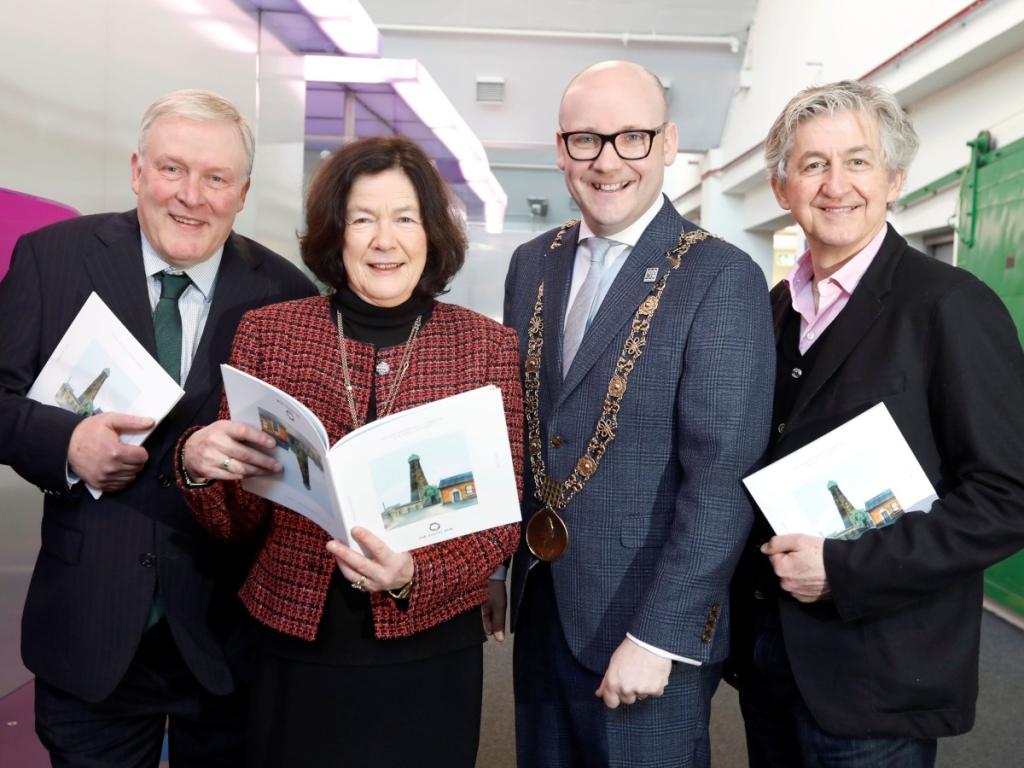
Dublin’s Digital Hub Secures Future: Historic Tech Campus to Remain at Heart of City’s Regeneration Vision
In a dramatic pivot that’s sending shockwaves through Dublin’s tech ecosystem, the Digital Hub Development Agency (DHDA) has unveiled an ambitious Strategic Plan 2026-2028 that will preserve the iconic enterprise campus while simultaneously transforming it into a vibrant mixed-use community. The announcement, made yesterday at The Digital Hub campus in Dublin 8, represents a complete reversal of the 2021 government decision to dissolve the agency and convert the site into housing—a move that had sparked outrage among tech entrepreneurs, cultural organizations, and local residents alike.
From Dissolution to Renaissance: The Incredible Journey
The story of The Digital Hub reads like a Silicon Valley startup’s pivot—only this one involves an entire city block and the future of Dublin’s tech sector. Back in 2021, when the Irish Government announced plans to dissolve the DHDA and redevelop the 1.5-hectare campus for housing, the reaction was swift and furious. Tech founders, artists, community leaders, and business owners united in opposition, arguing that demolishing this unique ecosystem would deal a devastating blow to Dublin’s reputation as a tech hub.
Fast forward to today, and The Digital Hub is operating at near-capacity, hosting 59 businesses, social enterprises, and cultural organizations that employ approximately 600 people. The campus has become a microcosm of Dublin’s diverse economy, where tech startups rub shoulders with artists’ studios, social enterprises share space with public agencies, and innovation flourishes in a uniquely collaborative environment.
The Strategic Masterplan: Housing Meets Innovation
The new strategic plan introduces what officials are calling the “Pear Tree Crossing masterplan”—a visionary approach that balances the urgent need for housing with the preservation of Dublin’s most successful tech ecosystem. Under this plan, the Land Development Agency (LDA) will develop approximately 550 homes on derelict or vacant portions of the campus, while the majority of currently occupied buildings will remain dedicated to commercial, cultural, and community use.
“This isn’t just about preserving buildings,” explains Fiach Mac Conghail, CEO of The Digital Hub. “It’s about creating a sustainable model for urban regeneration where people can live, work, and create in the same vibrant community. The Digital Hub has proven that mixed-use development isn’t just possible—it’s essential for building the kind of neighborhoods that attract talent and foster innovation.”
The masterplan represents a sophisticated understanding of modern urban dynamics. Rather than treating housing and commercial development as competing priorities, it envisions them as complementary forces that can create a more resilient, diverse, and economically vibrant community. The proposed development would include not just homes, but also “a vibrant mix of commercial, cultural and community facilities”—essentially creating a mini-city within the historic Liberties district.
The Tenants Driving Dublin’s Innovation Engine
Walking through The Digital Hub today reveals the incredible diversity of organizations that have made this campus their home. On any given day, you might find Akara, a medtech startup developing cutting-edge surgical robotics, collaborating with artists from the 40+ creative studios on site. You might see Bizimply, a workforce management platform, sharing coffee with PatientMpower, which provides remote monitoring solutions for chronic disease patients.
The social enterprise sector is equally impressive. Bee8 provides training and employment opportunities for marginalized communities, while Change Clothes promotes sustainable fashion and circular economy principles. Pocket Forests transforms urban spaces into biodiversity hotspots, demonstrating how environmental sustainability and social impact can coexist with commercial innovation.
Public agencies have also recognized the value of being part of this ecosystem. Codema, Dublin’s energy agency, works alongside Post Primary Language Ireland and the City of Dublin Education and Training Board, creating unexpected synergies between government services and private sector innovation.
The Governance Evolution: From State Agency to Council Entity
Perhaps the most intriguing aspect of the new strategic plan is its proposed governance structure. Rather than simply maintaining the status quo, the DHDA envisions transforming into a standalone legal entity that would operate under the auspices of Dublin City Council once the current dissolution process is complete.
This evolution represents a sophisticated approach to institutional adaptation. By transitioning from a state agency to a council-controlled entity, The Digital Hub would gain greater flexibility to respond to local needs while maintaining the stability and resources necessary to support its diverse tenant base. The DHDA is currently engaged in discussions with the Department of Culture, Communications and Sport, Dublin City Council, and the LDA to finalize the details of this transition.
Darina Kneafsey, chair of the DHDA, emphasizes that this isn’t just an administrative change: “This transition would dissolve the DHDA as required by Government while enabling the new standalone entity to maintain and advance its existing enterprise cluster and community programmes. It’s about preserving what works while creating new opportunities for growth and impact.”
Political Support and Community Impact
The launch event drew strong support from local political leaders, underscoring the broad coalition that has formed around preserving The Digital Hub. Lord Mayor of Dublin, Cllr Ray McAdam, highlighted the importance of balancing development with preservation: “We need to develop new housing, but it is important that it is developed in partnership and exists alongside business, community and mixed-use buildings as well as services and amenities.”
Richard Shakespeare, CEO of Dublin City Council, emphasized the strategic importance of protecting existing infrastructure: “The council is constantly seeking to ensure key and historic parts of the city, including the Liberties, can benefit from regeneration and the development of new housing, but it is important that this activity recognises and protects existing infrastructure, facilities and enterprises such as The Digital Hub and its member businesses and organisations.”
This political consensus reflects a growing recognition that successful urban regeneration requires more than just new construction—it demands the preservation and enhancement of existing community assets that provide economic opportunity, cultural vitality, and social cohesion.
Economic and Cultural Impact: Beyond the Balance Sheet
Since its establishment by the Government in 2003, the DHDA has operated with a mission “to deliver economic and cultural impact to Dublin 8 and beyond.” The new strategic plan would see this mission not only preserved but significantly expanded.
The economic impact extends far beyond the 600 direct employees at The Digital Hub. The campus serves as a magnet for investment, talent, and innovation that radiates throughout Dublin’s economy. Startups that begin their journey at The Digital Hub often become significant employers and taxpayers as they grow. The collaborative environment fosters knowledge transfer and partnership formation that might not occur in more traditional business parks.
Culturally, The Digital Hub has become an integral part of Dublin’s identity as a creative and innovative city. Its buildings host community events, theater rehearsals, performances, and exhibitions, making it a true public space rather than just a business park. This cultural dimension is crucial for attracting and retaining the creative talent that drives the modern knowledge economy.
The Road Ahead: Challenges and Opportunities
While the strategic plan represents a significant victory for those who fought to preserve The Digital Hub, substantial challenges remain. The transition to a new governance structure will require careful negotiation and planning. The development of 550 homes on the campus will need to be managed sensitively to ensure it enhances rather than disrupts the existing community.
There are also questions about funding and resources. As a council-controlled entity, The Digital Hub will need to demonstrate its value and secure sustainable funding streams. However, the overwhelming demand for space at the campus—operating at “almost full capacity”—suggests that the model has proven its viability and appeal.
A Model for the Future
What makes The Digital Hub’s story particularly compelling is how it challenges conventional approaches to urban development and economic policy. Rather than choosing between housing and commercial space, between preservation and progress, the strategic plan demonstrates that integrated, mixed-use development can achieve multiple objectives simultaneously.
This approach could serve as a model for other cities grappling with similar challenges: how to accommodate population growth and housing needs while preserving the innovative ecosystems that drive economic prosperity. The Digital Hub shows that with vision, collaboration, and flexibility, it’s possible to create win-win solutions that benefit communities, businesses, and the broader economy.
As Dublin continues to evolve as a European tech hub, The Digital Hub stands as a testament to the power of community advocacy, adaptive governance, and integrated urban planning. Its transformation from a threatened asset to a cornerstone of the city’s regeneration strategy offers valuable lessons for policymakers, developers, and community leaders everywhere.
The Digital Hub’s journey from potential dissolution to strategic renaissance represents more than just a local success story—it’s a blueprint for how cities can nurture innovation ecosystems while meeting the fundamental needs of their residents. As the strategic plan moves from vision to implementation, all eyes will be on Dublin to see how this ambitious experiment in integrated urban development unfolds.
Tags: #DublinTech #DigitalHub #UrbanRegeneration #InnovationEcosystem #SmartCities #MixedUseDevelopment #TechHub #Dublin8 #Startups #SocialEnterprise #CulturalHub #SustainableDevelopment #CityPlanning #EconomicDevelopment #CommunityBuilding
Viral Sentences: “The Digital Hub proves you can have your cake and eat it too—housing AND innovation in perfect harmony.” “Dublin just showed the world how to turn a potential tech tragedy into an urban development triumph.” “When startups, artists, and social enterprises unite, even government dissolution plans can be reversed.” “The Digital Hub isn’t just surviving—it’s evolving into something even more extraordinary.” “This isn’t just about preserving buildings; it’s about protecting Dublin’s future as a global innovation leader.”
,


Leave a Reply
Want to join the discussion?Feel free to contribute!