
DuckDuckGo’s AI lets you talk to it without giving up privacy
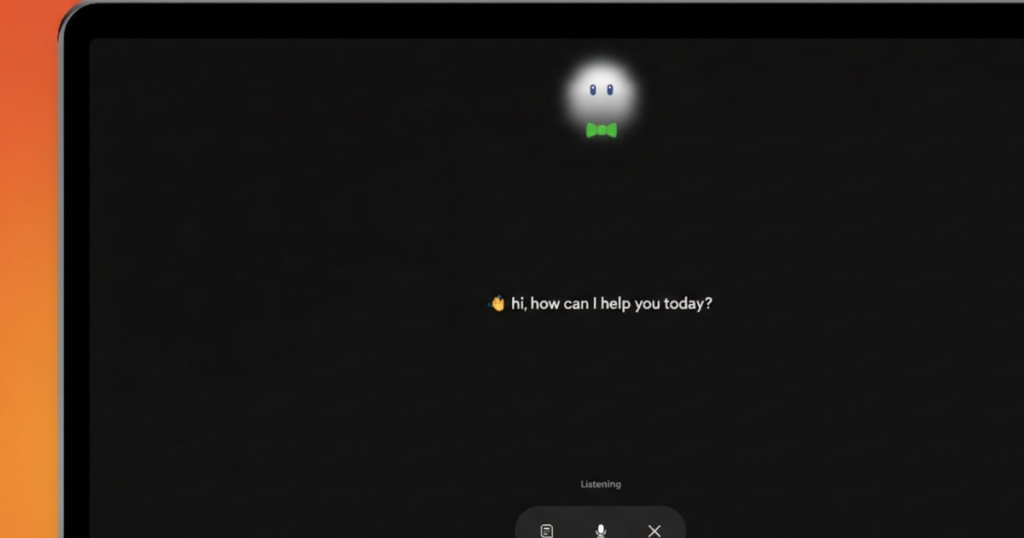
DuckDuckGo’s Duck.ai Voice Chat Rolls Out: Privacy-First, Hands-Free AI Conversations
In a bold move that’s turning heads across the tech world, DuckDuckGo has officially launched Duck.ai voice chat, a new feature that lets users interact with AI through spoken conversation—without the usual privacy trade-offs. While most AI voice tools quietly collect and store your audio for training, Duck.ai promises something different: your voice won’t be recorded, stored, or used to train models.
This launch comes at a time when voice AI is everywhere, from Siri to ChatGPT, but often at the cost of your data. DuckDuckGo is betting that users want the convenience of voice without feeling like they’re feeding yet another corporate dataset.
How It Works: Hands-Free, Privacy-First
Duck.ai voice chat is live now at Duck.ai. Once you grant microphone permission, you can speak naturally and receive spoken responses in return. The experience is designed to be seamless across devices, working in DuckDuckGo’s own browser and most others—though Firefox support is still on the way.
Under the hood, DuckDuckGo uses WebRTC to stream your audio through an encrypted relay. The company insists that your voice data is processed in real time and then discarded—no storage, no profiling, no training.
The Privacy Promise: More Than Just Marketing
Privacy is DuckDuckGo’s core identity, and with Duck.ai voice chat, they’re putting that promise to the test. The company says it won’t keep your audio, won’t use it for training, and won’t build profiles from your conversations. That’s a stark contrast to the industry norm, where voice data is often a goldmine for improving AI models—and a liability for users.
But voice is inherently personal. A single question can reveal your location, relationships, or habits. Even if the audio isn’t stored, the content of your conversation could still be sensitive. DuckDuckGo’s challenge is to deliver on its privacy pledge while making voice AI genuinely useful.
Limits and Tradeoffs: What You Need to Know
DuckDuckGo confirms that voice chats come with daily usage limits, though the exact numbers aren’t public. Subscribers get higher limits than free users, but the company won’t detail how it enforces caps to prevent abuse. It also warns that using a VPN or cellular network might make you hit the limit sooner.
There’s also the question of transparency. While DuckDuckGo is clear about not storing your voice, it hasn’t fully disclosed which AI providers power Duck.ai or how they handle data on their end. For now, the privacy promise rests largely on DuckDuckGo’s reputation and technical safeguards.
Practical Tips: How to Try It Safely
If you’re curious, give Duck.ai voice chat a spin—but start with low-stakes queries. Check the permissions it requests, see how easy it is to turn off, and test it on both your phone and laptop to compare performance.
For now, keep sensitive topics out of voice mode. Use it for quick questions, casual browsing, or hands-free convenience. If DuckDuckGo adds clearer disclosures about its AI partners and data handling, that could be the green light to use it for more personal conversations.
The Bigger Picture: A New Standard for Voice AI?
DuckDuckGo’s move could set a new bar for privacy in voice AI. As more users grow wary of data-hungry tech giants, a truly private voice assistant could be a game-changer. But the real test will be whether Duck.ai can deliver on its promises without sacrificing usability or transparency.
For now, Duck.ai voice chat is a promising step toward a future where you can talk to AI without giving up your privacy. Whether it becomes the new standard—or just a niche alternative—remains to be seen.
Tags: DuckDuckGo, Duck.ai, voice chat, AI privacy, hands-free AI, WebRTC, encrypted voice, anonymous chatbot, tech privacy, voice AI, data protection, digital trends, anonymous conversations, secure voice chat, AI without surveillance
Viral phrases: “Talk to AI without giving up your privacy,” “The voice chat that doesn’t record you,” “Hands-free, privacy-first AI is here,” “DuckDuckGo’s bold bet on anonymous voice AI,” “Your voice, your data, your choice,” “The future of voice AI is private,” “Duck.ai: where convenience meets confidentiality,” “Say goodbye to voice data harvesting,” “Privacy in every word you speak,” “The AI that listens—but never remembers”
,

Leave a Reply
Want to join the discussion?Feel free to contribute!