
Dutch air force reads pilots’ brainwaves to make training harder
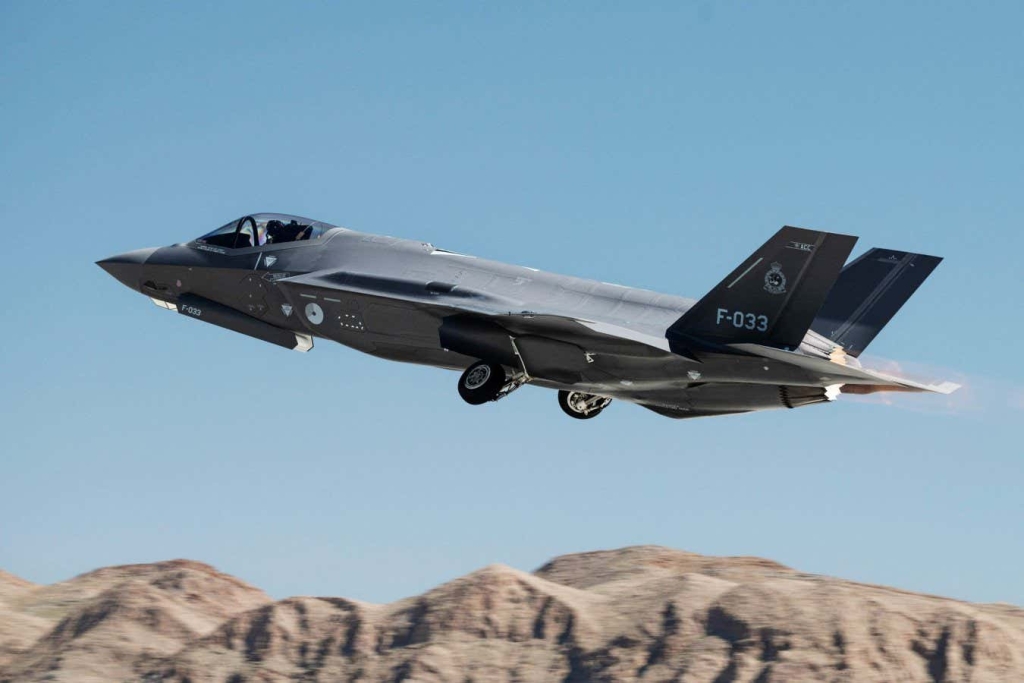
AI Reads Fighter Pilots’ Brainwaves to Customize Training in VR — But Does It Make Them Better?
In a futuristic twist on pilot training, researchers have equipped fighter pilots with brain-reading technology that adapts their virtual reality flight simulations in real time. The goal? To keep trainees in the “sweet spot” between comfort and overload by adjusting the difficulty of tasks based on their mental state.
The experiment, conducted by Evy van Weelden and her team at the Royal Netherlands Aerospace Centre, used a brain-computer interface to monitor the brainwaves of 15 Royal Netherlands Air Force pilots. Electrodes attached to their scalps captured neural activity, which an AI model analyzed to determine how challenging the pilots found their missions.
The system dynamically adjusted the simulation’s difficulty by altering visibility levels, ensuring tasks remained engaging but not overwhelming. While none of the pilots noticed the real-time adjustments, 10 out of 15 reported preferring this adaptive approach over rigid, pre-programmed exercises where difficulty increased in predictable steps.
However, there’s a catch: the adaptive system didn’t actually improve the pilots’ performance. Despite their preference for the brain-reading setup, their skills in completing tasks remained unchanged compared to traditional training methods.
Van Weelden suggests the issue may lie in the uniqueness of individual brain patterns. The AI model was trained on data from novice pilots but struggled to accurately interpret the brainwaves of all participants. Six pilots showed little variation in difficulty readings, indicating the system may not have fully understood their mental states.
James Blundell of Cranfield University, UK, notes that similar technology is being explored for use in real aircraft to ensure pilots remain in control during high-stress situations. For example, detecting panic and guiding pilots back to stability could be a game-changer. But Blundell cautions that there’s still a long way to go before brain-reading tech can reliably improve safety in aviation.
While the study highlights the potential of AI-driven training, it also underscores the challenges of applying such technology to diverse populations. For now, the dream of brain-reading pilots remains a sci-fi concept — albeit one that’s inching closer to reality.
Tags:
AI, brain-computer interface, fighter pilots, virtual reality, pilot training, neuroscience, adaptive learning, Royal Netherlands Air Force, brainwave analysis, aviation technology
Viral Phrases:
- “AI reads pilots’ minds in VR training!”
- “Brainwave tech adapts flight simulations in real time!”
- “Pilots prefer AI-driven training — but does it work?”
- “The future of aviation: brain-reading technology!”
- “From sci-fi to reality: AI monitors pilot brainwaves!”
- “Can AI make better pilots? The answer might surprise you!”
- “Brain-computer interfaces: The next frontier in pilot training!”
- “Mind-reading tech: The good, the bad, and the futuristic!”
- “Adaptive VR training: A game-changer for fighter pilots?”
- “The challenges of decoding brainwaves for real-world applications!”
,


Leave a Reply
Want to join the discussion?Feel free to contribute!