
Early Geekbench results reveal A19 iPhone 17e performance
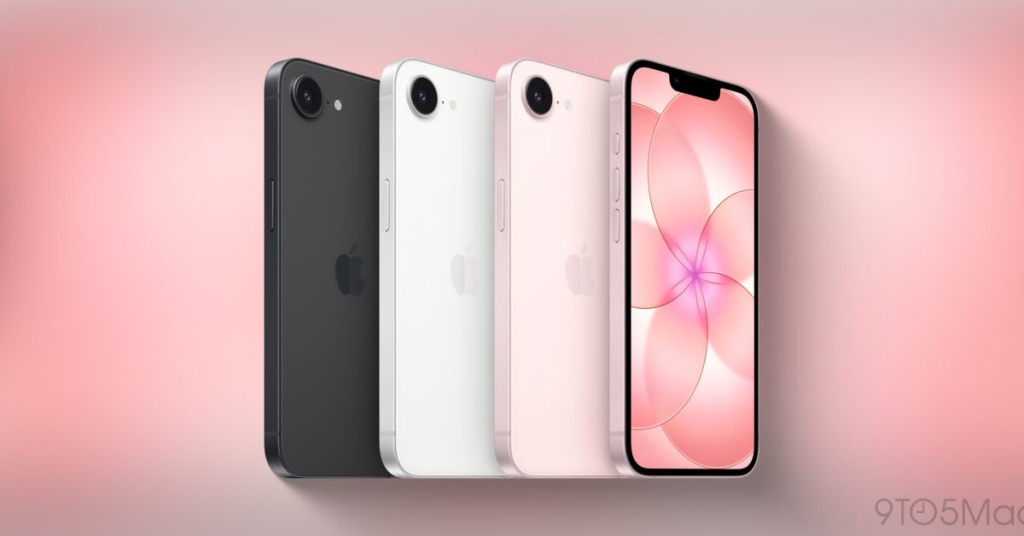
iPhone 17e A19 Chip Benchmarks Leak: Is This Apple’s Sleeper Hit of 2026?
The tech world is buzzing with early benchmark leaks for Apple’s iPhone 17e, and the results are painting a fascinating picture of what could be one of the most strategically important devices in Apple’s 2026 lineup. As Geekbench scores begin to surface across the web, analysts and enthusiasts alike are scrambling to decode what these numbers mean for the future of Apple’s budget-conscious smartphone strategy.
The Numbers Game: How Does iPhone 17e Stack Up?
According to the latest Geekbench results trickling in from early testers, the iPhone 17e’s A19 chip is delivering performance that punches well above its expected weight class. With 11 benchmark results currently available, the device is showing an average single-core score of approximately 3,320 and a multi-core score hovering around 8,373.
But here’s where it gets interesting: these scores represent a significant leap over the iPhone 16e’s A18 chip, which managed a respectable but notably lower 3,241 in single-core performance. The multi-core improvement is equally impressive, with the iPhone 17e outpacing its predecessor by a considerable margin.
The Metal graphics scores are perhaps the most eye-catching, with an average of 31,163 that leaves previous generation devices in the dust. For context, that’s nearly 30% better than the iPhone 16e’s Metal performance, suggesting Apple has made substantial GPU improvements even in this more affordable model.
Under the Hood: What Makes the A19 Tick?
While Apple hasn’t officially confirmed all the specifications, the benchmark patterns suggest the A19 chip in the iPhone 17e likely features a 6-core CPU configuration, a 4-core GPU, and an impressive 16-core Neural Engine. This architecture appears to be a refined version of what we’ve seen in other recent Apple silicon, optimized for efficiency rather than absolute maximum performance.
The CPU configuration likely includes two high-performance cores and four efficiency cores, a formula that’s become Apple’s sweet spot for balancing power consumption with snappy everyday performance. The 16-core Neural Engine represents a significant upgrade from previous budget models, potentially enabling more advanced on-device AI features without requiring users to step up to more expensive Pro models.
The Competitive Landscape: More Than Just Numbers
What makes these benchmark results particularly intriguing is how they position the iPhone 17e in the broader smartphone market. At a time when Android manufacturers are pushing ever-higher core counts and clock speeds, Apple’s focus on architectural efficiency continues to pay dividends.
The iPhone 17e appears to be targeting that sweet spot where performance meets practicality. It’s not trying to compete with flagship killers or gaming-focused devices – instead, it’s positioning itself as the ideal device for users who want reliable, future-proof performance without breaking the bank.
Real-World Implications: Beyond the Benchmarks
While benchmark numbers are exciting for tech enthusiasts, the real story of the iPhone 17e will be how it performs in everyday use. The improved Neural Engine suggests better computational photography, more responsive Siri interactions, and enhanced machine learning capabilities for apps.
The GPU improvements could translate to smoother gaming experiences, better AR application performance, and more fluid animations throughout the iOS interface. For a device positioned as a more affordable option, these kinds’t just nice-to-have features – they’re essential for maintaining the premium feel that Apple users expect.
The Strategic Play: Why iPhone 17e Matters
The iPhone 17e represents more than just another model in Apple’s lineup – it’s a crucial piece of the company’s strategy to maintain market share in price-sensitive segments while still delivering the Apple experience. By bringing substantial performance improvements to a more affordable device, Apple is potentially expanding its ecosystem reach to users who might otherwise opt for Android alternatives.
This approach also has implications for Apple’s environmental goals. By creating devices that remain performant for longer periods, Apple can potentially extend the replacement cycle for users who might otherwise feel pressured to upgrade annually.
Looking Ahead: What This Means for Apple’s Roadmap
The performance characteristics we’re seeing in these early benchmarks suggest Apple is refining its approach to silicon design, creating more nuanced variations of its chips for different market segments. This could indicate a future where Apple’s chip lineup becomes even more diversified, with each model optimized for specific use cases and price points.
For developers, this means optimizing apps for a wider range of performance capabilities while still maintaining the smooth, consistent experience that iOS is known for. It’s a challenge, but also an opportunity to reach a broader audience with increasingly sophisticated applications.
The Verdict: A Sleeping Giant?
Based on these early benchmark results, the iPhone 17e appears poised to be one of the most compelling value propositions in Apple’s 2026 lineup. While it may not grab headlines like the Pro models, its combination of improved performance, efficient architecture, and likely aggressive pricing could make it the unsung hero of the iPhone family.
As more users get their hands on the device and run their own benchmarks, we’ll get a clearer picture of whether these early results hold up under real-world conditions. But for now, the iPhone 17e is looking like a device that could surprise a lot of people – and that’s always exciting in the tech world.
Tags & Viral Phrases:
iPhone 17e A19 chip performance, Geekbench leaks 2026, Apple budget iPhone revolution, A19 vs A18 comparison, iPhone 17e benchmarks viral, Apple silicon efficiency breakthrough, iPhone 17e GPU performance, Neural Engine 16-core upgrade, iPhone 17e real-world performance, Apple budget strategy 2026, iPhone 17e gaming capabilities, iOS optimization across price points, Apple’s affordable premium approach, iPhone 17e value proposition, A19 chip architecture analysis, iPhone 17e battery life implications, Apple ecosystem expansion strategy, iPhone 17e camera computational improvements, 2026 smartphone market dynamics, iPhone 17e developer opportunities, Apple silicon roadmap hints, iPhone 17e environmental impact, Budget iPhone performance ceiling, iPhone 17e user experience expectations, A19 chip manufacturing process, iPhone 17e vs Android competition, Apple’s silicon diversification strategy, iPhone 17e software optimization, Next-gen iPhone budget segment, iPhone 17e market positioning analysis.
,


Leave a Reply
Want to join the discussion?Feel free to contribute!