
“Educational” YouTube AI Slop Encourages Kids to Play in Traffic
YouTube’s AI Content Crisis: How Algorithm-Driven “Educational” Videos Are Poisoning Young Minds
The digital playground that once promised endless learning opportunities for children has transformed into a minefield of AI-generated misinformation, with YouTube’s recommendation algorithms actively pushing harmful content to impressionable young viewers at an unprecedented scale.
The Hidden Epidemic in Children’s Content
Recent investigations by The 74 and Mother Jones have uncovered a disturbing trend: thousands of AI-generated videos masquerading as educational content for children, filled with dangerous misinformation and garbled nonsense. These aren’t isolated incidents but part of a massive, algorithm-driven content factory that’s flooding the platform with low-quality, potentially harmful material.
The scale is staggering. One channel alone has uploaded over 10,000 videos in just seven months, averaging 50 new uploads per day. This content tsunami is overwhelming parental controls and quality moderation systems, creating what experts are calling a “monster problem” in children’s digital media consumption.
Dangerous Lessons Hidden in Colorful Animation
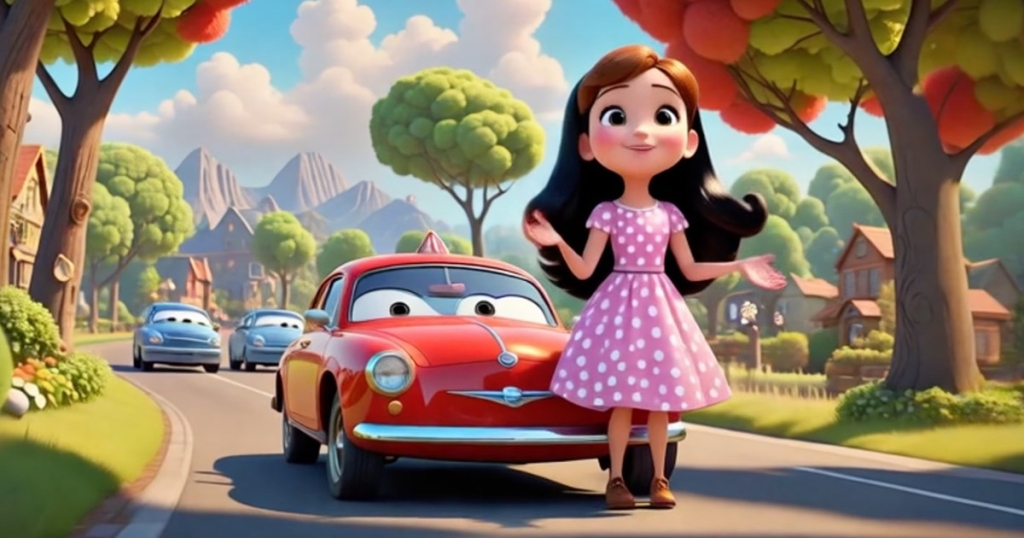
The content being served to children ranges from merely confusing to actively dangerous. In one AI-generated nursery rhyme about cars, children are shown riding without seatbelts and walking in the middle of roads with moving vehicles behind them—a recipe for real-world accidents if imitated.
Another video purporting to teach about America’s 50 states presents children with impossible names like “Ribio Island,” “Conmecticut,” “Oklolodia,” and “Louggisslia.” When children try to learn from these videos, they’re being taught incorrect information that will require unlearning later, creating cognitive delays in their development.
Even more alarming are videos showing babies engaging in genuinely dangerous activities: swallowing whole grapes (a severe choking hazard), consuming honey (which can be fatal to infants), or eating apples that ooze blood. These aren’t just mistakes—they represent a fundamental breakdown in content safety and quality control.
The Science of Cognitive Damage
Child development experts are sounding the alarm about the neurological impact of this AI-generated content. Every experience during early childhood builds neural connections, and when those experiences involve inconsistent or incorrect information, children’s brains are being “wired in incorrect ways.”
Kathy Hirsh-Pasek, a professor of psychology and neuroscience at Temple University, warns that we’re witnessing the beginning of a massive problem that needs immediate intervention. Dana Suskind, a professor at the University of Chicago, describes this as “toddler AI misinformation at an industrial scale” that poses serious risks to developing brains.
Carla Engelbrecht, with experience at Sesame Street and PBS Kids, explains the mechanism of harm: “Mixed signals means you are delaying them learning the cause and effect of a thing. If you learn that red is blue and blue is red, that’s a delay.” Every inconsistency forces children to spend extra time unlearning incorrect information, pushing back their entire developmental timeline.
The Algorithm’s Role in the Crisis
YouTube’s recommendation system appears to be heavily favoring AI-generated content, whether through algorithmic bias or manipulation by content creators who understand how to game the system. A New York Times investigation found that nearly half of videos recommended to young children featured AI visuals, suggesting a systemic preference for this type of content.
The platform’s policy requiring AI content to be labeled only applies to “realistic” content, leaving the vast majority of these cartoonish educational videos unlabeled and unregulated. This creates a perfect storm where harmful content can proliferate unchecked while appearing to be legitimate educational material.
The Scale of the Problem
Video editing platform Kapwing estimates that 21% of YouTube’s feed is now filled with shoddy AI content. This isn’t just a niche problem—it represents a fundamental shift in the quality and safety of content available to children on one of the world’s largest platforms.
Parents, increasingly relying on YouTube to entertain their children, are often unaware of the content their kids are consuming. The platform’s autoplay and recommendation features create a feedback loop that continuously serves more AI-generated content, regardless of quality or safety.
Expert Warnings and the Path Forward
The consensus among child development experts is clear: this content is not neutral. It’s actively harmful to cognitive development and represents a form of “brain stunt” rather than the harmless “brain rot” associated with adult content consumption.
“Every delay they have means everything else gets pushed back,” Engelbrecht warns. “That’s taking their executive function offline to go learn nonsense.” The long-term implications of this cognitive disruption could be severe, affecting everything from academic performance to critical thinking skills.
What Parents Need to Know
While YouTube Kids has shown fewer instances of problematic content, many parents allow their children to use the main platform with regular accounts. The distinction between these platforms is becoming increasingly blurred as AI-generated content becomes more sophisticated and prevalent.
The crisis represents a fundamental failure of platform responsibility and content moderation. As AI tools become more accessible and content creation becomes automated, the problem is likely to accelerate unless significant interventions are implemented.
Tags: AI-generated content, children’s safety, YouTube algorithm, digital parenting, cognitive development, misinformation, educational videos, content moderation, neural development, platform responsibility
Viral Sentences: AI content poisoning children’s minds, algorithm-driven misinformation epidemic, cognitive development crisis, industrial-scale toddler misinformation, neural wiring disruption, content moderation failure, digital playground turned minefield, autoplay feedback loop, brain stunt phenomenon, quality control breakdown, platform responsibility crisis, cognitive delay epidemic, AI content factory, neural development hijacking, misinformation tsunami, content safety collapse, algorithmic content flooding, developmental timeline disruption, neural connection corruption, platform accountability failure
,

Leave a Reply
Want to join the discussion?Feel free to contribute!