
Elderly Poop Transplants Had a Surprising Effect on Young Mouse Ovaries : ScienceAlert
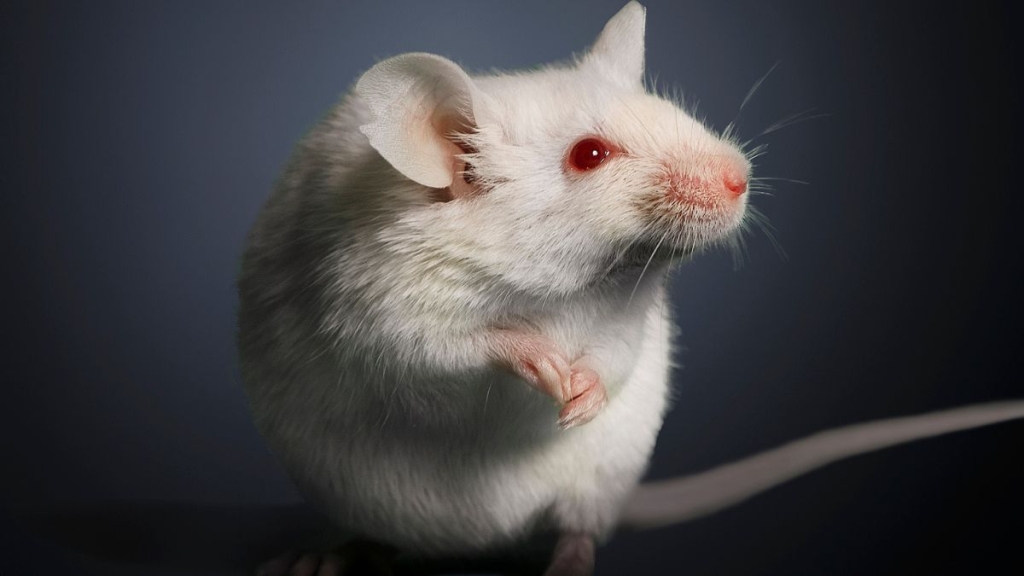
Title: “Older Poop, Younger Ovaries? Groundbreaking Fecal Transplant Study Reveals Shocking Fertility Boost in Mice”
In a stunning twist that’s sending shockwaves through the scientific community, researchers at the University of Southern California have discovered that something as simple as poop might hold the key to reversing ovarian aging. But here’s the kicker—it’s not young poop that’s making headlines this time. It’s old poop.
Yes, you read that right. In a study that sounds like something out of a science fiction novel, scientists found that transplanting gut microbes from older, non-reproductive mice into younger mice actually improved their ovarian function. The younger mice not only showed signs of ovarian rejuvenation but also reproduced more successfully than their control counterparts.
The Unexpected Discovery
When the USC research team, led by gerontologist Bérénice Benayoun, first conceived of this experiment, they thought they had it all figured out. Their hypothesis was straightforward: transplanting gut microbes from “menopausal” mice (older mice with non-functional ovaries) into younger mice would accelerate ovarian aging. It seemed like a logical assumption—after all, if young blood can make old organisms feel younger, wouldn’t old blood or, in this case, old gut microbes, make young organisms age faster?
But science, as it often does, had other plans.
“To our complete astonishment, the opposite occurred,” Benayoun explains. “When Min Hoo Kim first brought these results to me, I wondered if the labels had been swapped!”
The data was unequivocal. Young mice that received fecal transplants from older donors showed remarkable improvements in ovarian health. They produced more viable eggs, showed enhanced fertility, and even reproduced more quickly when paired with male mice.
What Makes This Study So Revolutionary?
This isn’t just another incremental finding in the world of microbiome research. This study, published in the prestigious journal Nature Aging, represents a paradigm shift in our understanding of how gut bacteria influence reproductive health.
Previous research had already established that the gut microbiome plays a crucial role in overall health, with fecal transplants showing promise for treating everything from depression to diabetes. We’ve known that young poop can make old guts look younger. But the idea that old poop could make young ovaries function better? That’s completely uncharted territory.
The Science Behind the Surprise
So what’s actually happening inside these mice? The researchers found that the fecal transplants triggered significant changes at the molecular level. Specifically, they observed:
- Reduced gene expressions related to inflammation in the ovaries
- Changes associated with ovarian rejuvenation
- Improved hormone profiles
- Enhanced follicle development
The team also noticed something fascinating about the gut microbial communities themselves. The older female mice had gut microbiomes with greater diversity and species richness compared to their younger counterparts. This increased microbial diversity might be the key to the observed benefits.
A New Theory Emerges
While the exact mechanisms remain unclear, Benayoun and her team have developed some compelling hypotheses. One theory centers on estrogen signaling. As ovaries age, they produce less estrogen and become less responsive to it. The researchers speculate that gut bacteria might compensate for this loss by stepping up their own estrogen production or by enhancing the body’s sensitivity to existing estrogen.
“Imagine if these gut microbes communicate with the ovaries using estrogen,” Benayoun suggests. “As the ovaries age and struggle to hear as well, the gut microbes may have to increase their volume. If these louder gut microbes are then transplanted into a younger animal, the ovaries may be even more responsive.”
Real-World Implications
The fertility implications are already fascinating. In controlled breeding experiments, some young mice that received transplants from other young mice never produced offspring, while all of the mice that received transplants from older mice successfully reproduced. Even when excluding the non-reproducing mice from the analysis, those that received older microbiome transplants produced offspring more quickly.
But the potential applications extend far beyond fertility. If these effects translate to humans—and that’s still a big “if”—this research could open up entirely new avenues for treating:
- Age-related infertility
- Menopause symptoms
- Ovarian dysfunction
- Hormonal imbalances
- Inflammatory conditions affecting reproductive health
The Bigger Picture: Gut-Brain-Ovary Connection
This study adds to a growing body of evidence suggesting that our gut microbiome acts as a central hub, influencing everything from our mental health to our reproductive systems. The gut-brain axis is already well-established, but the gut-ovary axis is a newer frontier that’s proving to be just as fascinating.
When mice are treated with antibiotics to become “germ-free,” they show significant ovarian problems. Similarly, when human patients with ovarian issues have their feces transplanted into mice, the previously healthy mice develop ovarian dysfunction. These findings underscore the profound influence our gut bacteria have on reproductive health.
Expert Reactions and Future Directions
The scientific community is buzzing with excitement about these findings. “I feel like we’ve opened a positive can of worms with this study,” Benayoun says. “There are so many new questions.”
Indeed, this research raises numerous questions that will need to be addressed in future studies:
- Which specific bacterial species are responsible for the rejuvenating effects?
- Are these effects permanent or temporary?
- Do similar effects occur in other mammals, including humans?
- Could targeted probiotic therapies mimic these benefits without requiring actual fecal transplants?
- What are the long-term consequences of altering the gut microbiome in this way?
The Road Ahead
While we’re likely years away from any clinical applications in humans, this study represents a crucial step forward. The next phases of research will likely focus on identifying the specific bacterial strains responsible for the observed effects and understanding the precise molecular mechanisms involved.
There’s also the question of safety. Fecal transplants, while promising, still carry risks and require careful screening and preparation. If probiotic therapies can be developed to target the same pathways, they might offer a safer, more accessible alternative.
Why This Matters Now
In an era where women are increasingly delaying childbirth and where age-related fertility decline is a growing concern, this research offers a glimmer of hope. While we’re not suggesting anyone rush out to find an older donor for a DIY fecal transplant (please don’t), the underlying principle—that our gut bacteria might be modifiable to improve reproductive health—is revolutionary.
This study also challenges our fundamental assumptions about aging. For decades, we’ve viewed aging as an inevitable, unidirectional process. But research like this suggests that aging might be more plastic than we thought, potentially reversible through targeted interventions.
The Bottom Line
The USC study has opened up an entirely new field of inquiry into the relationship between our gut microbiome and reproductive health. What began as a test of what researchers thought would be a harmful intervention turned into a discovery that could reshape our understanding of fertility, aging, and the intricate connections between different body systems.
As Benayoun puts it: “If these effects are also seen in humans, it could provide new treatment targets for infertility or menopause symptoms based on which bacteria species and metabolites are most responsible for this rejuvenation.”
The future of fertility treatment might just lie in the most unexpected of places—inside the poop of our elders.
Tags: Fecal transplant, microbiome, ovarian health, fertility, aging reversal, gut bacteria, reproductive science, menopause, probiotic therapy, Nature Aging, USC research, Benayoun lab, microbiome diversity, estrogen signaling, germ-free mice, fertility treatment, age reversal, gut-brain-ovary axis, scientific breakthrough
Viral Phrases: “Old poop, young ovaries,” “fecal transplant fertility boost,” “poop pill revolution,” “crapsule science,” “gut bacteria magic,” “aging reversal surprise,” “microbiome makeover,” “reproductive rejuvenation,” “unexpected fertility findings,” “scientific plot twist,” “elder poop benefits,” “fertility’s dirty secret,” “gut wisdom,” “aging’s hidden key,” “biological fountain of youth,” “reproductive reset button,” “microbial time machine,” “fecal fountain of youth,” “poop power,” “aging backwards,” “biological age hacking,” “fertility’s future,” “gut instinct science,” “microbiome miracle,” “fecal fortune,” “biological reboot,” “aging’s Achilles heel,” “fertility frontier,” “gut genius,” “poop potential,” “biological breakthrough,” “fecal future,” “aging antidote,” “fertility fix,” “gut game-changer,” “fecal phenomenon,” “biological breakthrough,” “fecal fortune,” “aging antidote,” “fertility fix,” “gut game-changer,” “fecal phenomenon”
,


Leave a Reply
Want to join the discussion?Feel free to contribute!