
Entirely Vibe-Coded Operating System Is a Bug-Filled Disaster
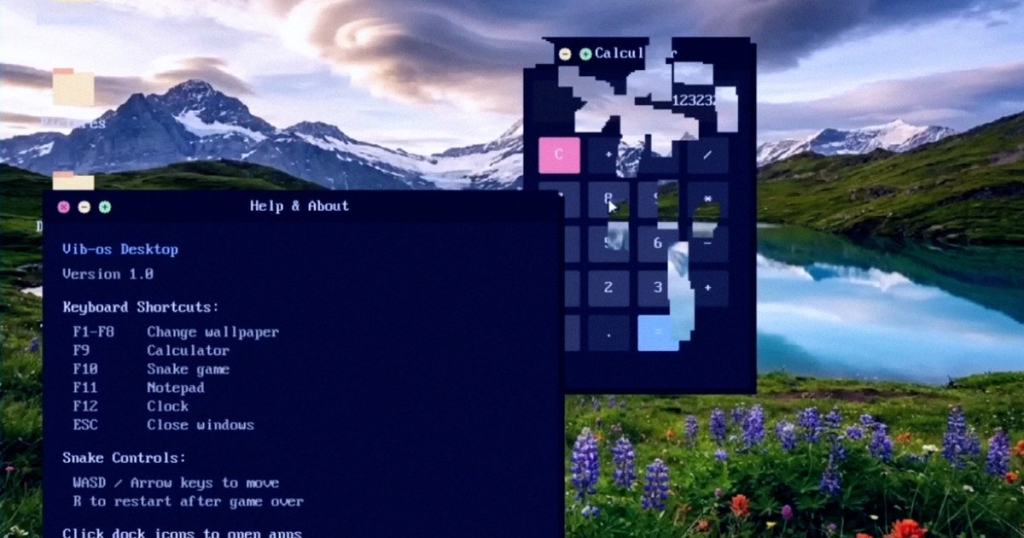
Vibe-Coded OS Debuts as a Buggy, Unusable Mess—AI’s Limits Exposed
In a stunning display of AI’s current limitations, an operating system built entirely through “vibe coding” has emerged as a buggy, barely functional mess—proving that even the most hyped AI techniques have serious flaws when pushed to the extreme.
The project, dubbed Vib-OS, was created by feeding natural language prompts into AI models—a method popularized last year by OpenAI co-founder Andrej Karpathy. The approach promises rapid software development by simply describing what you want in plain English. But as Vib-OS demonstrates, speed doesn’t equal quality.
The Ambitious Promises
According to its GitHub documentation—which some suspect may itself be AI-generated—Vib-OS boasts impressive features:
- Runs on ARM64 and x86-based computers
- Features a “custom kernel”
- Includes a “modern macOS-inspired graphical user interface”
- Offers a “virtual file system”
- Claims to support gaming, including the legendary first-person shooter Doom
Yes, you read that right. The documentation boldly states you can play Doom on this AI-generated OS. That alone should have been the first red flag.
YouTube Tester Uncovers Reality
When tech YouTuber Tirimid got his hands on Vib-OS, what he discovered was far from the promised experience. In a detailed video walkthrough, he spent hours navigating through what can only be described as a digital disaster zone.
The results were damning:
Internet connectivity? Non-existent. The OS couldn’t connect to the internet at all, rendering most modern computing tasks impossible.
File Manager buttons? Unresponsive. Click all you want—nothing happens.
Notepad app? Broken. Documents refused to save, making basic text editing futile.
Snake game? Nearly unplayable. The retro classic barely functioned.
The “Browser” app? An image viewer. Yes, an app labeled “Browser” turned out to be nothing more than a basic image viewer—not a web browser capable of rendering websites.
Python support? Missing entirely. Despite documentation claiming Python script compatibility, the feature was nowhere to be found.
The Doom Disappointment
Perhaps most disappointingly, the iconic Doom—the game that has become a benchmark for testing new platforms—was nowhere to be found. The launcher icon Tirimid clicked with enthusiasm did absolutely nothing, suggesting the AI may have hallucinated the feature altogether.
“I really found this operating system interesting,” Tirimid concluded. “It was quite an absolute pain to set up to really get everything going, but once I did, it was just kind of shocking in a way. I really expected this to actually be at least reasonably usable.”
He added: “This is actually a pretty featureless operating system. Although I guess it is still interesting that AI can get an operating system running at all.”
Internet Reacts
The tech community found humor in the debacle. One commenter quipped, “You found an early build of Windows 12,” referencing Microsoft’s controversial push toward AI integration despite significant user backlash.
Tirimid later posted in his video’s comments section, pleading with viewers not to harass the creators: “I was somewhat negative about many parts of this OS, but please don’t go to the repo and be negative in the issues or whatever.”
The Bigger Picture
Vib-OS represents more than just a failed experiment—it’s a cautionary tale about the current state of AI development. While tech leaders continue making massive investments in artificial intelligence and laying off thousands of human workers in the process, projects like this highlight that we’re still far from AI replacing skilled developers.
The question remains: Will advancements in AI eventually allow models to build actually usable operating systems and sophisticated software? The tech industry certainly wants us to believe so, as they pour billions into AI development while simultaneously reducing human engineering teams.
For now, though, vibe coding appears to produce more vibes than functional code—a digital equivalent of a vaporware promise that sounds impressive on paper but falls apart under real-world testing.
As one tech observer noted, “Even AI can’t escape the fundamental truth of software development: you get what you pay for, and free AI-generated code might just cost you your sanity.”
The era of AI replacing human developers? It seems we’ll have to keep waiting—at least until AI can figure out how to make a text editor that actually saves files.
Tags: vibe coding, AI programming, Vib-OS, Andrej Karpathy, GitHub, operating system, tech disaster, AI limitations, software development, Doom, Tirimid, YouTube tech review, ARM64, x86, macOS-inspired UI, virtual file system, Python support, Snake game, image viewer, internet connectivity, Notepad app, File Manager, tech industry, AI investments, developer layoffs, Microsoft Windows 12, vaporware, AI-generated code, software bugs, tech comedy, GitHub repository, tech innovation, AI development, software engineering, tech trends, viral tech news
Viral Phrases: “You found an early build of Windows 12,” “AI can get an operating system running at all,” “free AI-generated code might just cost you your sanity,” “vaporware promise,” “more vibes than functional code,” “the era of AI replacing human developers,” “AI’s current limitations exposed,” “speed doesn’t equal quality,” “digital disaster zone,” “buggy, barely functional mess,” “AI may have hallucinated the feature,” “tech leaders want us to believe,” “you get what you pay for,” “AI-generated documentation,” “tech community found humor,” “cautionary tale about AI development,” “still far from AI replacing skilled developers,” “digital vaporware,” “tech industry’s AI pipe dream,” “AI’s fundamental limitations,” “software development reality check,” “AI’s hype train derailed,” “tech experiment gone wrong,” “AI’s current state of affairs,” “the limits of natural language programming,” “AI’s ambitious promises fall flat,” “tech’s AI bubble showing cracks,” “AI-generated OS disaster,” “the truth about vibe coding,” “AI development reality check,” “tech industry’s AI overhype,” “AI’s current capabilities revealed,” “software development’s human element irreplaceable,” “AI’s limitations in practice,” “tech’s AI promises vs reality,” “AI-generated software failures,” “the human touch in coding still essential,” “AI’s ambitious failures,” “tech industry learning the hard way,” “AI’s current technological ceiling,” “software development’s irreplaceable human expertise,” “AI’s limitations become painfully clear,” “tech’s AI overhype catching up,” “AI-generated code quality concerns,” “the future of AI in software development,” “AI’s current technological boundaries,” “tech industry’s AI reckoning,” “AI development’s growing pains,” “software engineering’s human necessity,” “AI’s ambitious but flawed approach,” “tech’s AI limitations exposed,” “AI-generated software quality issues,” “the reality of AI in programming,” “tech industry’s AI wake-up call,” “AI development’s current shortcomings,” “software development’s irreplaceable human creativity,” “AI’s limitations in complex systems,” “tech’s AI overhype consequences,” “AI-generated code reliability concerns,” “the future of human-AI collaboration in coding,” “AI’s current developmental stage,” “tech industry’s AI investment risks,” “software engineering’s human expertise still vital,” “AI’s limitations becoming mainstream knowledge,” “tech’s AI promises vs practical results,” “AI-generated software quality debates,” “the ongoing AI development challenges,” “tech industry’s AI learning curve,” “AI’s current capabilities assessment,” “software development’s human-AI balance,” “AI’s ambitious but premature applications,” “tech’s AI overhype backlash,” “AI-generated code quality standards,” “the future of AI-assisted programming,” “AI’s limitations in software creation,” “tech industry’s AI recalibration,” “software engineering’s evolving role with AI,” “AI’s current technological maturity,” “tech’s AI overhype correction,” “AI-generated software development challenges,” “the human element in AI-assisted coding,” “AI’s limitations in complex software,” “tech industry’s AI reality check,” “software development’s AI integration hurdles,” “AI’s current developmental boundaries,” “tech’s AI overhype consequences,” “AI-generated code quality discussions,” “the future of programming with AI,” “AI’s limitations in operating systems,” “tech industry’s AI adjustment period,” “software engineering’s AI adaptation,” “AI’s current technological constraints,” “tech’s AI overhype correction phase,” “AI-generated software development debates,” “the human-AI collaboration in coding,” “AI’s limitations becoming apparent,” “tech industry’s AI perspective shift,” “software development’s AI integration challenges,” “AI’s current capabilities limitations,” “tech’s AI overhype lessons learned,” “AI-generated code quality concerns,” “the future of AI in software engineering,” “AI’s limitations in practical applications,” “tech industry’s AI recalibration process,” “software engineering’s human expertise importance,” “AI’s current technological development stage,” “tech’s AI overhype reality check,” “AI-generated software quality issues,” “the ongoing AI in programming discussions,” “AI’s limitations in software creation revealed,” “tech industry’s AI perspective evolution,” “software development’s AI integration journey,” “AI’s current technological boundaries exposed,” “tech’s AI overhype consequences becoming clear,” “AI-generated code reliability debates,” “the future of human-AI programming partnership,” “AI’s limitations in complex systems development,” “tech industry’s AI learning experience,” “software engineering’s adapting to AI,” “AI’s current developmental stage assessment,” “tech’s AI overhype correction underway,” “AI-generated software development quality standards,” “the human element in AI-assisted development,” “AI’s limitations in practical software creation,” “tech industry’s AI adjustment period,” “software development’s AI integration process,” “AI’s current technological maturity level,” “tech’s AI overhype backlash effects,” “AI-generated code quality discussions,” “the future of programming with AI assistance,” “AI’s limitations becoming mainstream knowledge,” “tech industry’s AI reality check moment,” “software engineering’s evolving role with AI,” “AI’s ambitious but premature applications,” “tech’s AI overhype consequences,” “AI-generated software quality debates,” “the ongoing AI development challenges,” “tech industry’s AI learning curve,” “AI’s current capabilities assessment,” “software development’s human-AI balance,” “AI’s limitations in software engineering,” “tech’s AI overhype correction,” “AI-generated code quality concerns,” “the future of AI-assisted programming,” “AI’s limitations in operating systems,” “tech industry’s AI investment risks,” “software engineering’s human expertise still vital,” “AI’s limitations becoming painfully clear,” “tech’s AI overhype catching up,” “AI-generated software failures,” “the truth about vibe coding,” “AI’s current state of affairs,” “tech experiment gone wrong,” “AI’s ambitious promises fall flat,” “tech’s AI bubble showing cracks,” “AI’s hype train derailed,” “software development reality check,” “AI’s current limitations exposed,” “more vibes than functional code,” “vaporware promise,” “AI-generated documentation,” “tech community found humor,” “cautionary tale about AI development,” “still far from AI replacing skilled developers,” “tech industry wants us to believe,” “AI may have hallucinated the feature,” “digital disaster zone,” “buggy, barely functional mess,” “speed doesn’t equal quality,” “AI’s current limitations exposed,” “You found an early build of Windows 12,” “free AI-generated code might just cost you your sanity,” “more vibes than functional code,” “the era of AI replacing human developers,” “you get what you pay for,” “AI-generated documentation,” “tech community found humor,” “cautionary tale about AI development,” “still far from AI replacing skilled developers,” “tech industry wants us to believe,” “AI may have hallucinated the feature,” “digital disaster zone,” “buggy, barely functional mess,” “speed doesn’t equal quality.”
,


Leave a Reply
Want to join the discussion?Feel free to contribute!