
Essential Gear for an Emergency Kit—for Cars or Go-Bags
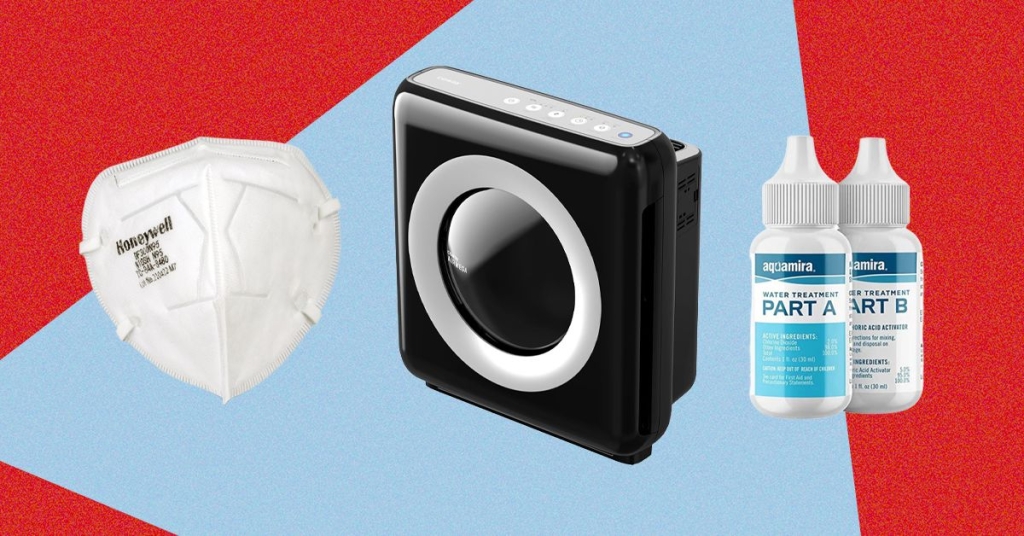
Emergency Preparedness: Essential Gear for Natural Disasters and Power Outages
You never know when you’ll have to evacuate at a moment’s notice. The political climate is increasingly volatile, and disasters rarely strike on schedule. With record-low snowpack levels in the American West during winter 2025-2026, experts warn that wildfires and resulting chaos are especially likely this year. Less water in spring and summer means drier conditions and higher fire risk across the region.
That’s why disaster preparedness experts emphasize the critical importance of planning ahead and assembling emergency kits before disaster strikes. Whether facing hurricanes, floods, earthquakes, blizzards, wildfires, or infrastructure failures, having the right supplies can mean the difference between safety and serious risk for your family.
Two Main Emergency Scenarios
According to Jonathan Sury, senior staff associate at Columbia University’s National Center for Disaster Preparedness, there are two primary emergency scenarios families should prepare for.
First, rapid evacuation situations where you may need to grab a go-bag and leave immediately. Wildfires exemplify this scenario—conditions can deteriorate within minutes, leaving no time for last-minute supply runs. Your bug-out bag should contain the absolute essentials: a three-day water supply, purification tablets or high-quality water filters, a reliable flashlight, and extra batteries.
Second, shelter-in-place emergencies where you’re confined to your home without utilities. Severe winter storms demonstrate this scenario perfectly—you might be trapped for days without running water if pipes freeze or water mains break, and without electricity if the power grid fails. In these cases, you’ll need backup power solutions and water storage capabilities.
“We have to think in that mindset of, ‘We could have power out,'” says Charlie Woodrum, National Weather Service preparedness lead. “We could lose it for a couple days, or up to even a week, and we also could lose water if pipes freeze or water mains break. You have to plan for both power outages and for the loss of water.”
Building Your Emergency Kit
The specific items you’ll need depend on your location, family size, and individual circumstances. As of October 2025, FEMA maintains an emergency kit checklist on its website, while Columbia University offers an online preparedness wizard to help families assess their unique needs.
Your emergency preparedness kit should address both evacuation and shelter-in-place scenarios. For evacuation, focus on portability and essential survival items. For staying home during an emergency, emphasize comfort, communication, and extended supplies.
Key categories to consider include water storage and purification, food supplies, first aid materials, lighting and power solutions, communication devices, and specialized gear for your climate. Don’t forget medications, pet supplies, and important documents stored in waterproof containers.
Beyond the Basics
The most effective emergency preparation goes beyond physical supplies. Building relationships with your neighbors creates a support network that can prove invaluable during crises. Community preparedness often determines how well a neighborhood weathers disasters together.
Consider your specific regional risks—if you live in wildfire-prone areas, smoke protection becomes crucial. In earthquake zones, securing heavy furniture and knowing utility shutoff locations matters. Coastal residents need flood preparation strategies.
Digital preparedness deserves attention too. Create a “digital go bag” with essential documents, contacts, and information accessible from any device. This proves invaluable if you must evacuate quickly or if physical documents are lost.
Stay Informed and Ready
Monitor weather alerts and emergency notifications through multiple channels. Have backup communication plans since cell networks often fail during disasters. Practice your emergency plans with family members so everyone knows their role.
Remember that the best emergency gear is often knowledge and preparation rather than expensive equipment. Understanding your risks, having clear plans, and maintaining readiness through regular kit checks and updates provides the strongest foundation for emergency preparedness.
wildfirepreparedness #emergencykit #bugoutbag #disasterreadiness #poweroutage #watersafety #evacuationplanning #shelterinplace #emergencygear #preparedness #wildfiresafety #winterstormprep #earthquakepreparedness #floodsafety #naturaldisaster #emergencyplanning #survivalgear #familypreparedness #crisismanagement #emergencyresponse
,


Leave a Reply
Want to join the discussion?Feel free to contribute!