
Essex police pause facial recognition camera use after study finds racial bias | Facial recognition
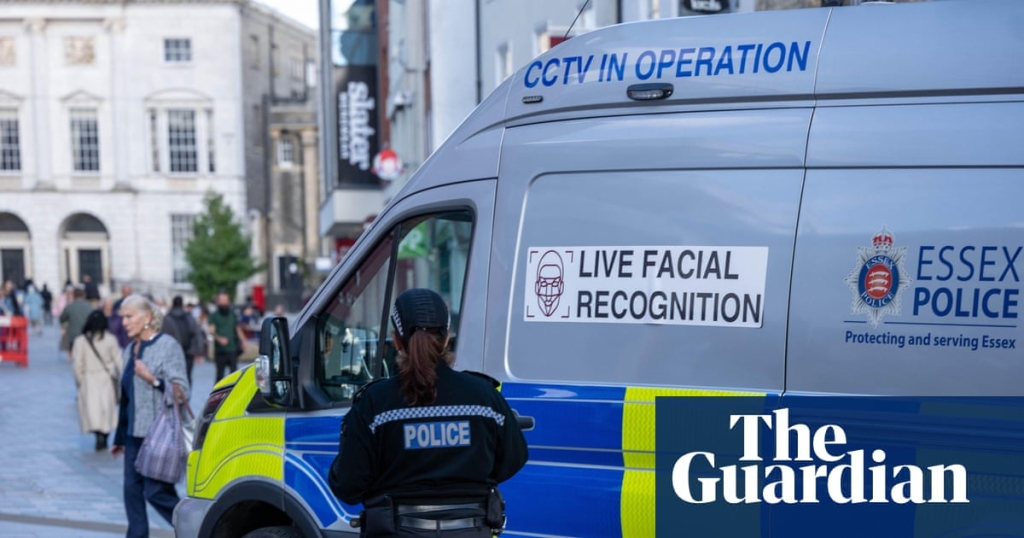
BREAKING: Essex Police Suspends Controversial Facial Recognition Tech Amid Shocking Bias Revelations
In a stunning development that’s sending shockwaves through the tech and law enforcement communities, Essex Police has dramatically halted the use of live facial recognition (LFR) technology after a bombshell study uncovered alarming racial bias in the AI-powered surveillance system.
The Controversial Pause: What We Know
The Information Commissioner’s Office (ICO) has confirmed that Essex Police has “paused” deployments of LFR technology after researchers from the University of Cambridge discovered the system was significantly more likely to correctly identify Black individuals compared to other ethnic groups. This revelation comes as the Home Office announced plans to dramatically expand LFR deployment across England and Wales, with 50 vans planned for every police force.
The Cambridge Study: Numbers Don’t Lie
In what researchers are calling a “wake-up call” for law enforcement agencies nationwide, the Cambridge study involved 188 actors walking past cameras deployed from marked police vans in Chelmsford. While the system showed an impressive 50% accuracy rate in identifying people on watchlists, with incorrect identifications being extremely rare, the racial disparity findings have experts deeply concerned.
“If you’re an offender passing facial recognition cameras in Essex, the chances of being identified as being on a police watchlist are greater if you’re Black,” explained Dr. Matt Bland, one of the study’s authors. “To me, that warrants further investigation.”
The Bigger Picture: A Growing Controversy
This development isn’t occurring in isolation. Last month, police arrested a man for a burglary in a city he had never visited—100 miles away—after facial recognition software confused him with another person of South Asian heritage. The incident has intensified scrutiny on these AI surveillance systems.
The technology, which can be mounted on fixed locations or deployed in vans, has already been used by at least 13 police forces across the UK, including London, Greater Manchester, and West Yorkshire. The Home Office claims that between January 2024 and September 2025, LFR cameras in London led to over 1,300 arrests for serious crimes including rape, domestic abuse, burglary, and grievous bodily harm.
Expert Reactions: “AI Surveillance Has No Place on Our Streets”
Privacy advocates are seizing on the Essex findings as validation of long-standing concerns. Jake Hurfurt, head of research and investigations at Big Brother Watch, didn’t mince words: “Police across the country must take note of this fiasco. AI surveillance that is experimental, untested, inaccurate or potentially biased has no place on our streets.”
The Technical Side: Why the Bias?
Experts suggest the bias could stem from overtraining the algorithm on Black faces, though they believe the issue could potentially be rectified by adjusting system settings. A separate government study by the National Physical Laboratory found similar patterns but deemed the effect statistically insignificant.
What’s Next? The ICO’s Warning
The ICO has issued a stark warning to other police forces using LFR technology: implement mitigation measures immediately or face potential regulatory action. With the Home Secretary’s ambitious expansion plans still on the table, the timing of this revelation couldn’t be more critical.
Essex Police has been contacted for comment but has not yet responded to requests for clarification on when the pause began and what specific measures they’re taking to address the identified issues.
The Debate Intensifies
As this story develops, one thing is clear: the controversy surrounding facial recognition technology in law enforcement is far from over. With privacy advocates, civil rights groups, and now official studies raising serious questions about accuracy and bias, the future of AI-powered surveillance in the UK hangs in the balance.
Stay tuned as we continue to monitor this breaking story and its implications for privacy, civil liberties, and the future of policing in the digital age.
—
Viral Tags:
FacialRecognitionFail #TechBias #AIWatch #PrivacyMatters #PoliceTech #DigitalRights #SurveillanceState #CambridgeStudy #EssexPolice #TechControversy #CivilLiberties #BiasInAI #DigitalPrivacy #LawEnforcementTech #TechEthics
Viral Sentences:
“AI surveillance that is experimental, untested, inaccurate or potentially biased has no place on our streets.”
“If you’re an offender passing facial recognition cameras in Essex, the chances of being identified as being on a police watchlist are greater if you’re Black.”
“The controversy surrounding facial recognition technology in law enforcement is far from over.”
“With privacy advocates, civil rights groups, and now official studies raising serious questions about accuracy and bias, the future of AI-powered surveillance in the UK hangs in the balance.”
,


Leave a Reply
Want to join the discussion?Feel free to contribute!