
Ethereum L2 Builders Debate Scaling Role After Vitalik’s Rollup Rethink
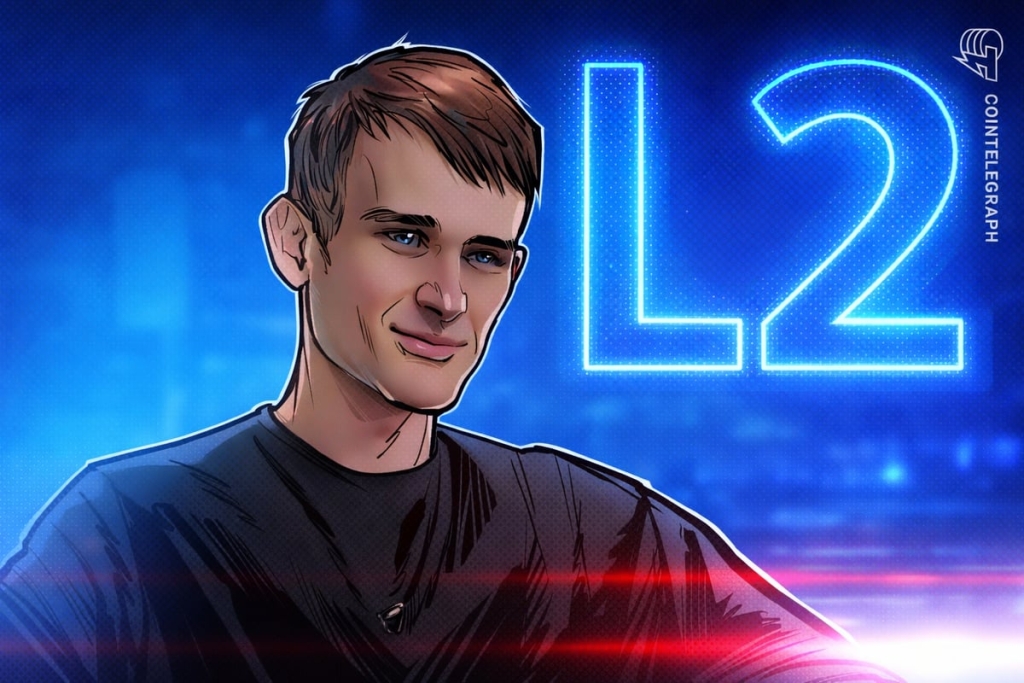
Ethereum’s Layer-2 Future: The Great Debate Over Scaling, Security, and Specialization
In a seismic shift that’s sending shockwaves through the crypto world, Ethereum co-founder Vitalik Buterin has declared that the original vision of Layer-2 networks as the primary scaling solution “no longer makes sense.” This bombshell statement has ignited a fierce debate among Ethereum’s most influential builders, with responses ranging from cautious acceptance to passionate defense of L2’s scaling role.
The Security Dilemma: Are L2s Truly Ethereum’s Children?
Buterin’s critique cuts to the heart of Ethereum’s scaling strategy. He argues that many Layer-2 networks haven’t fully inherited Ethereum’s legendary security, primarily due to their continued dependence on multisig bridges—a vulnerability that keeps security researchers awake at night. Meanwhile, Ethereum’s base layer is proving more capable than anyone imagined, with gas limit increases and native rollup capabilities pushing the boundaries of what’s possible.
Think of it like a family where the parents (Ethereum L1) have suddenly bulked up and can handle more responsibilities, while the kids (L2s) are still relying on babysitters (multisig bridges) instead of truly standing on their own.
The Builders Respond: A House Divided
Karl Floersch of Optimism Foundation welcomed the challenge with open arms, calling for a “modular L2 stack that supports the full spectrum of decentralization.” However, he didn’t sugarcoat the reality: we’re not there yet. Stage 2 decentralization remains a distant dream, with withdrawal windows longer than a Monday morning meeting and cross-chain tooling that’s about as reliable as a chocolate teapot.
Steven Goldfeder of Arbitrum took a more combative stance. “Arbitrum wasn’t built as a service to Ethereum,” he declared, arguing that scaling remains L2’s core value proposition. He dropped a truth bomb that should make Ethereum’s core developers pause: if Ethereum appears hostile to rollups, institutions might just launch their own independent chains faster than you can say “blockchain sovereignty.”
Jesse Pollak of Base framed it as a win-win scenario, agreeing that L2s can’t just be “Ethereum but cheaper.” Instead, he’s betting on differentiation through user experience, account abstraction, and privacy features—essentially saying, “We’re not just scaling; we’re reimagining what Ethereum can be.”
Eli Ben-Sasson’s cryptic “Say Starknet without saying Starknet” comment suggests that some ZK-native L2s see themselves as already perfectly positioned for this new era of specialization.
The Numbers Don’t Lie: L2s Are Still Essential
Goldfeder’s data-driven defense is particularly compelling. During peak activity, Arbitrum and Base processed over 1,000 transactions per second while Ethereum lagged behind. This isn’t just academic debate—it’s about real-world performance when the crypto world is watching.
The Institutional Question: Will They Stay or Will They Go?
Perhaps the most sobering aspect of this debate is Goldfeder’s warning about institutional adoption. If Ethereum L1 can scale to handle everything, will institutions still need L2s? Or will they simply deploy on independent chains, taking their massive capital and user bases with them?
The Road Ahead: Specialization or Extinction?
The Ethereum ecosystem now faces a critical juncture. The base layer is becoming more capable, but L2s must evolve beyond being mere scaling solutions. They need to become specialized environments that serve distinct technical needs—whether that’s superior privacy, unique execution environments, or innovative user experiences.
This isn’t just about technical specifications; it’s about survival in an increasingly competitive blockchain landscape. The L2s that thrive will be those that embrace specialization while maintaining the security and decentralization that make Ethereum valuable in the first place.
#Ethereum #Layer2 #Blockchain #Crypto #VitalikButerin #Scaling #Decentralization #Arbitrum #Optimism #Base #Starknet #Web3 #DeFi #CryptoTwitter #BlockchainRevolution
#EthereumIsEvolving #L2Wars #CryptoDebate #BlockchainFuture #ScaleOrSpecialize #CryptoInnovation #ETH2Point0 #RollupRevolution #CryptoCommunity #BlockchainEvolution
The crypto community is watching closely as this drama unfolds. Will Layer-2 networks successfully pivot to specialization, or will they be left behind as Ethereum’s base layer grows more capable? One thing is certain: the next chapter in Ethereum’s story is being written right now, and every stakeholder has a front-row seat to history in the making.
#CryptoHistoryInTheMaking #BlockchainFutureIsNow #EthereumEvolution #L2Transformation #CryptoStrategy #BlockchainInnovation #DigitalAssets #Web3Development #CryptoLeadership #BlockchainRevolutionContinues
This isn’t just another technical debate—it’s a fundamental reimagining of how blockchain scaling works. The stakes couldn’t be higher, and the entire crypto industry is holding its breath to see how this plays out. Will specialization save Layer-2 networks, or is this the beginning of their end? The answer will shape the future of decentralized technology for years to come.
#CryptoFuture #BlockchainStrategy #EthereumScaling #L2Specialisation #CryptoInnovation #DigitalTransformation #Web3Evolution #BlockchainTechnology #CryptoDevelopment #FutureOfFinance,


Leave a Reply
Want to join the discussion?Feel free to contribute!