
EU says TikTok must disable ‘addictive’ features like infinite scroll, fix its recommendation engine
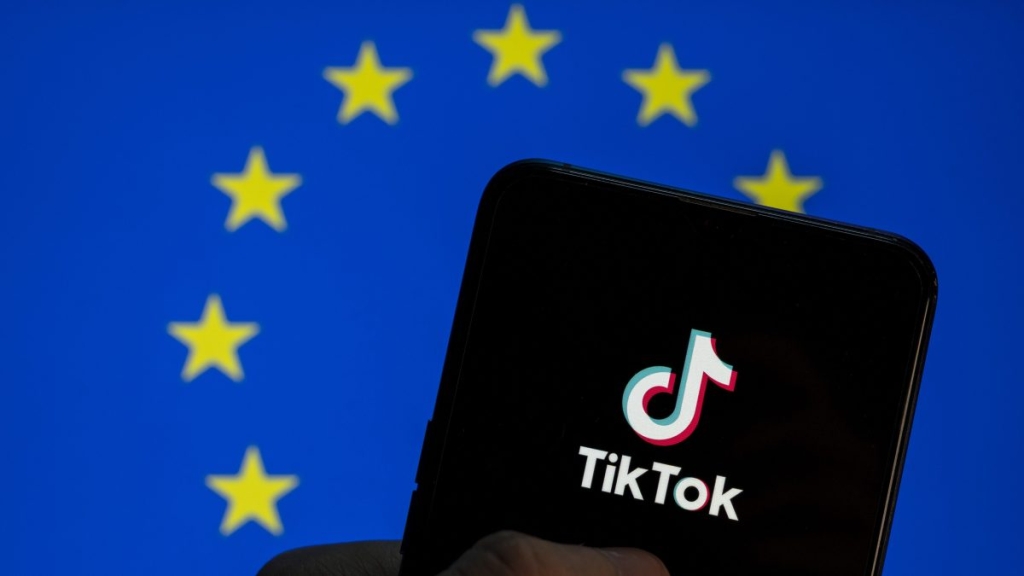
EU Accuses TikTok of “Addictive” Design, Demands Overhaul of App Features
In a sweeping and unprecedented move, the European Commission has launched a formal investigation into TikTok, accusing the wildly popular short-video platform of deliberately engineering its app to be “addictive.” The allegations, detailed in preliminary findings from the Commission’s compliance probe under the EU’s landmark Digital Services Act (DSA), have sent shockwaves through the tech world and reignited the global debate over social media’s impact on mental health—especially among young users.
The Core Allegations: A “Hook, Line, and Sinker” Design Strategy
The European Commission’s preliminary findings paint a damning picture of TikTok’s user experience. According to the Commission, TikTok’s app is built on a foundation of psychological manipulation, using a suite of design features that keep users glued to their screens far longer than they intend. The Commission specifically called out:
- Infinite Scroll: The never-ending feed that makes it nearly impossible for users to find a natural stopping point.
- Autoplay: Videos that start playing automatically, removing the need for users to make a conscious choice to continue.
- Push Notifications: Constant alerts that pull users back into the app, even when they’re not actively using it.
- Recommendation Engine: An algorithm so powerful it can predict and serve up content that keeps users hooked, often exploiting their deepest interests and vulnerabilities.
The Commission argues that these features work in concert to create what it calls an “autopilot mode” in users’ brains—a state where self-control erodes and compulsive scrolling takes over. Scientific research, the Commission notes, has shown that such environments can foster addictive behaviors, particularly in minors and vulnerable adults.
“We’re Not Just Talking About Screen Time”
The Commission’s statement goes further, accusing TikTok of ignoring “important indicators of compulsive use,” such as the frequency with which users open the app at night or the sheer volume of time spent scrolling. By constantly “rewarding” users with new, engaging content, TikTok allegedly shifts the brain into a state of passive consumption, where the urge to keep scrolling becomes almost irresistible.
“The design of TikTok’s user interface is not neutral,” the Commission wrote. “It actively encourages compulsive use, undermining users’ ability to regulate their own behavior.”
TikTok’s Response: “Categorically False and Meritless”
TikTok has pushed back hard against the allegations. In a statement provided to TechCrunch, a company spokesperson called the Commission’s findings “categorically false and entirely meritless,” vowing to “take whatever steps are necessary to challenge these findings through every means available.”
The company pointed to its existing screen-time management tools and parental controls as evidence of its commitment to user well-being. However, the Commission was unimpressed, arguing that these measures are insufficient. According to the EU, TikTok’s time management tools are “easy to dismiss” and introduce “limited friction,” while parental controls require “additional time and skills from parents” to implement effectively.
A Global Backlash Against Social Media Addiction
The European Commission’s move against TikTok is just the latest salvo in a global crackdown on social media addiction. Around the world, governments are taking increasingly aggressive steps to protect young users:
- Australia recently passed a law requiring social media platforms to deactivate accounts belonging to users under 16.
- The UK and Spain are reportedly considering similar measures.
- France, Denmark, Italy, and Norway have all worked on age-restriction measures for social media platforms.
- In the United States, 24 states have enacted age-verification laws aimed at limiting young people’s access to social media.
The pressure on TikTok is particularly acute. In January, the company settled a major social media addiction lawsuit in the U.S., agreeing to pay millions in damages and make changes to its app. Now, with the DSA investigation looming, TikTok faces the prospect of even more stringent regulations—and potentially crippling fines.
The Stakes: Up to 6% of Global Turnover
Under the DSA, companies found in breach of the law can face fines of up to 6% of their global annual turnover—a staggering sum for a company like TikTok, which generated an estimated $16.1 billion in revenue in 2023. The Commission has given TikTok time to respond to the preliminary findings, but the writing is on the wall: major changes to the app’s design are likely on the horizon.
What’s Next?
The European Commission’s investigation is still in its early stages, but the implications are clear. If TikTok is found to be in breach of the DSA, it will be forced to overhaul its app’s design, potentially disabling features like infinite scroll and autoplay, implementing mandatory screen-time breaks, and fundamentally altering its recommendation algorithm.
For users, this could mean a very different TikTok experience in the near future—one that’s less addictive, but perhaps also less engaging. For TikTok, it’s a high-stakes battle for the future of its platform.
Tags: TikTok, EU, Digital Services Act, social media addiction, screen time, infinite scroll, autoplay, push notifications, recommendation engine, minors, vulnerable adults, compulsive behavior, mental health, age restrictions, Australia, UK, Spain, France, Denmark, Italy, Norway, US, age verification, settlement, fines, global crackdown, TechCrunch
Viral Sentences:
- “TikTok accused of designing app to be ‘addictive’ by EU—autopilot mode for your brain?”
- “Infinite scroll, autoplay, push notifications: the ‘hook, line, and sinker’ of TikTok’s design.”
- “EU demands TikTok overhaul its addictive features—will the app ever be the same?”
- “Social media addiction lawsuit settled—now TikTok faces EU’s biggest regulatory hammer.”
- “Australia bans under-16s from social media—could the US be next?”
- “TikTok’s ‘easy to dismiss’ screen-time tools called out by EU—parents demand real change.”
- “6% of global turnover on the line: TikTok’s billion-dollar battle with the EU.”
- “The future of TikTok: less addictive, but will it still be fun?”
- “Autopilot mode activated: how TikTok’s algorithm hijacks your brain.”
- “Global crackdown: 24 US states, 6 EU countries, and counting—social media’s youth problem.”
,


Leave a Reply
Want to join the discussion?Feel free to contribute!