
Europe’s Offshore Wind Parks Are Doing A Lot More Than Generating Electricity
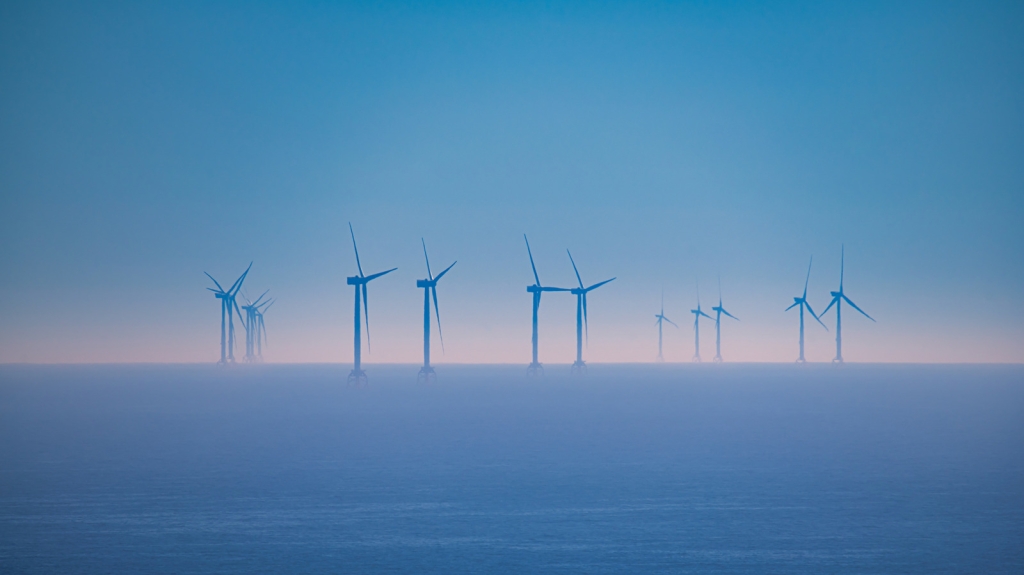
Europe’s Offshore Wind Farms: Unexpected Havens for Marine Life
In a surprising twist to the renewable energy narrative, Europe’s offshore wind farms are proving to be more than just powerhouses of clean electricity—they’re becoming thriving sanctuaries for marine biodiversity.
For years, the construction of offshore wind turbines raised concerns among conservationists. The towering structures, designed to harness the relentless power of ocean winds, were feared to disrupt delicate marine ecosystems. Birds could collide with the massive blades, and the installation process might disturb the seabed, potentially harming underwater habitats.
However, recent research conducted in the North Sea is challenging these assumptions and revealing a remarkable story of ecological resilience and adaptation.
Unexpected Marine Sanctuaries Emerge
The revelation began gaining traction in 2022 when The Anthropocene magazine published findings from marine researchers working in the North Sea. Their data suggested that these wind parks were creating new protected areas for marine life, even nurturing threatened species like harbor seals and North Sea cod.
The key to this unexpected ecological benefit lies in the unique characteristics of offshore wind farms. The massive turbine foundations, deeply embedded into the seabed, create artificial reef-like structures. These structures provide new habitats and shelter for various marine species. Additionally, the exclusion of commercial fishing activities within the wind farm zones creates de facto marine protected areas.
The Science Behind the Success
According to research from projects like the De Rijke Noordzee program, which began in 2018, the turbines offer more than just physical structures. The design of the turbines themselves creates complex underwater environments that marine life can colonize. The prohibition of fishing in these areas allows fish populations to recover and expand, free from the pressures of overfishing.
German researchers have documented cod and even planted lobster populations flourishing within wind park areas. The protected nature of these zones allows marine species to establish breeding grounds and safe habitats, leading to population growth and increased biodiversity.
Balancing Environmental Concerns
While the benefits are clear, it’s important to acknowledge the potential drawbacks. Larger fish can be distracted by the noise generated by the turbines and the electromagnetic fields surrounding them. The removal or replacement of turbine foundations when they reach the end of their operational life can be both costly and potentially disruptive to the local environment.
However, the overall impact appears to be overwhelmingly positive. Instead of simply mitigating negative effects, these wind farms are actively contributing to marine conservation efforts.
Global Implications and Future Prospects
This success story is inspiring similar projects worldwide. North America is set to launch its first large-scale offshore wind operation in 2024, potentially replicating the ecological benefits observed in European waters.
The future looks promising for wind parks and biodiversity. As technology advances, there’s potential for even greater integration of conservation efforts with renewable energy production. Innovative approaches, such as self-healing barriers made of concrete and living oysters (recently implemented to protect a US military base), could be adapted for use in wind farm areas.
Researchers are also exploring the concept of artificial reefs, which could be strategically placed within wind park zones to further enhance marine habitats. This synergy between renewable energy infrastructure and marine conservation could represent a new frontier in sustainable development.
A Win-Win for Climate and Conservation
As the world grapples with the urgent need to combat climate change—a fight we’re currently losing—offshore wind farms offer a glimmer of hope. They not only reduce our carbon footprint but also contribute to marine biodiversity conservation.
The North Sea projects like De Rijke Noordzee are likely to expand, refining designs that provide marine life with safe havens. These developments also offer researchers unprecedented opportunities to study marine ecosystems up close, potentially leading to new discoveries about ocean biodiversity.
In conclusion, Europe’s offshore wind farms are demonstrating that human infrastructure and natural ecosystems can coexist and even mutually benefit each other. As we continue to seek solutions for our energy needs and environmental challenges, these wind farms stand as beacons of innovation—powering our homes while nurturing the oceans that surround them.
Tags: #OffshoreWind #MarineConservation #RenewableEnergy #NorthSea #Biodiversity #ClimateChange #SustainableDevelopment #ArtificialReefs #OceanEcosystems #GreenTechnology
Viral Sentences:
- “Wind farms: Not just powering homes, but saving marine life!”
- “Who knew clean energy could create underwater sanctuaries?”
- “Europe’s wind turbines: The unexpected heroes of marine conservation”
- “From climate solution to marine haven: The dual power of offshore wind”
- “Wind farms are proving that technology and nature can be best friends”
- “The North Sea’s secret: Wind turbines are creating thriving marine ecosystems”
- “Renewable energy just got a whole lot more exciting!”
,


Leave a Reply
Want to join the discussion?Feel free to contribute!