
Facing heavy losses, Honda cancels its three US-made electric vehicles
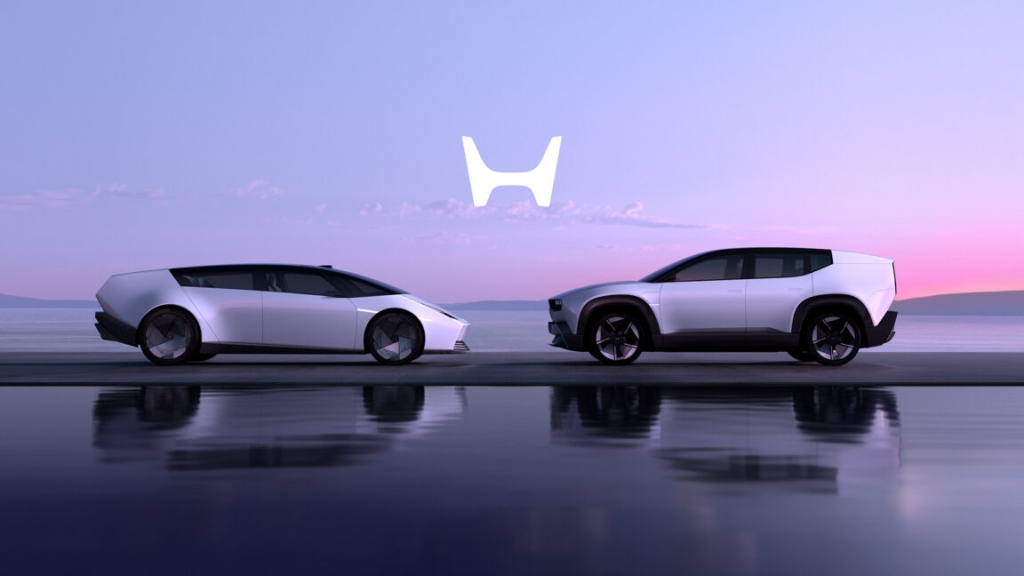
Honda’s Bold EV Pivot: Why the Automaker Is Rethinking Its Electric Future
In a stunning reversal of strategy, Honda has hit the brakes on its ambitious electric vehicle (EV) rollout plans, citing a perfect storm of challenges that have left the Japanese automaker rethinking its approach to electrification. The company, once a pioneer in hybrid technology, now finds itself at a crossroads as it grapples with shifting global markets, intense competition, and changing consumer demands.
The decision comes as Honda acknowledges it can no longer compete in China, the world’s largest EV market, where software-defined vehicles (SDVs) and rapid innovation have become the new battleground. Chinese consumers, it seems, are less concerned with traditional metrics like efficiency and interior space, and more focused on cutting-edge software features and regular over-the-air updates. This has created an environment where newer EV manufacturers, with their short product development cycles and software prowess, are outpacing established players like Honda.
“This has intensified the competition due to the rapid emergence of newer EV manufacturers that leverage their short product development cycles and strengths in the area of software-defined vehicle (SDV) technologies, including advanced driver-assistance systems (ADAS),” Honda admitted in a recent statement. The company’s inability to match this pace of development or offer vehicles that provide better value for money has resulted in a decline in competitiveness, particularly in the Chinese market.
But China isn’t the only hurdle. In the United States, demand for EVs has been tepid at best, and the ending of the federal clean vehicle tax credit has further dampened enthusiasm. Launching new models like the Honda 0s and the redesigned RDX would only compound the company’s losses in this challenging environment.
As a result, Honda is shifting gears, opting to beef up its hybrid offerings in the US while putting future EV launches on hold. The company says it will only greenlight new electric models if demand and profitability can be assured. This cautious approach marks a significant departure from the aggressive electrification strategies of many of its competitors.
In a move that underscores the seriousness of the situation, Honda’s senior executives have agreed to voluntary pay cuts of between 20–30 percent for three months. This gesture of solidarity with the company’s broader workforce highlights the gravity of the challenges Honda faces and the need for a new direction.
The automaker’s pivot raises questions about the future of EVs in the US market and whether other manufacturers might follow suit. It also puts a spotlight on the software-driven approach that has given Chinese EV makers a competitive edge. As Honda regroups and refocuses, the automotive world watches closely to see if this is a temporary detour or a sign of a broader industry shift.
Tags: Honda, EV, electric vehicles, China, software-defined vehicles, SDV, ADAS, hybrid, automotive, market strategy, profitability, innovation, competition, US market, green technology, voluntary pay cuts, industry trends
Viral Phrases:
– Honda hits the brakes on EV plans
– Software wars in China’s EV market
– The end of the road for Honda’s electric dreams?
– Executives take pay cuts as Honda pivots
– Hybrids over EVs: Honda’s new strategy
– Can Honda compete in the software-driven future?
– The great EV slowdown: Honda joins the retreat
– China’s EV revolution leaves Honda behind
– Is the US ready for electric vehicles?
– Honda’s bold move: Less electric, more profitable
– The software gap: Why Honda can’t keep up
– Voluntary pay cuts: A sign of troubled times
– Hybrids make a comeback as EVs stall
– Honda’s electric future: Delayed, not denied
– The new battleground: Software over sustainability,

Leave a Reply
Want to join the discussion?Feel free to contribute!