
Fallout’s origin can be traced back to a pizza party Tim Cain threw
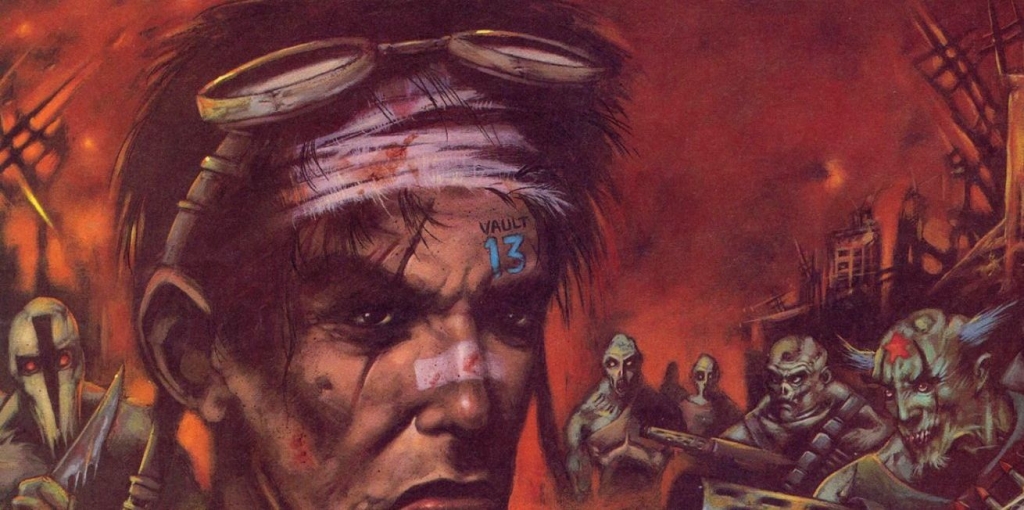
The Unlikely Pizza Party That Spawned a Gaming Legend: How Fallout Came to Be
In the annals of video game history, few stories are as delightfully serendipitous as the origin of Fallout. This iconic post-apocalyptic RPG, which would go on to define a genre and spawn a beloved franchise, owes its existence not to a grand corporate strategy or a visionary executive mandate, but to a simple pizza party and the ingenuity of a programmer named Tim Cain.
The Mid-90s Interplay: A Studio Divided
The year was 1995, and Interplay Entertainment was riding high on the success of its Dungeons & Dragons titles. The studio was deep into development of what would become legendary games like Baldur’s Gate, Planescape: Torment, and Icewind Dale. These projects consumed the lion’s share of the studio’s resources and attention, leaving a small, ambitious group of developers to their own devices in the shadow of these fantasy behemoths.
It was within this environment that Tim Cain, a programmer whose official role was to develop game installers, found himself yearning for something more. Cain had a passion for game development that extended beyond his day-to-day responsibilities. In his spare time, he had created a sprite engine—a tool that could potentially revolutionize how games were made at Interplay.
The Pizza Party Gambit
However, there was a catch. Cain wasn’t allowed to approach people who were already assigned to existing projects with his new tool. The studio’s structure was rigid, and crossing project lines was frowned upon. Undeterred, Cain hatched a plan that was as clever as it was simple.
“I reserved a conference room for 6 p.m.,” Cain recounted in an oral history with Game Informer, “which was when everybody was supposed to go home, and then I sent emails saying, ‘I’ll be in that conference room with pizza if you want to come and talk to me about games we could make with this sprite-based isometric engine.'”
Cain’s expectation was that the promise of free pizza and the allure of working on something new would draw a crowd. To his surprise, only about eight people showed up. But as Cain later realized, these weren’t just any eight people—they were “go-getters,” self-starters who were eager to push the boundaries of what was possible in game development.
Among those who attended was Leonard Boyarsky, who would go on to become Fallout‘s art director. This small, dedicated group would form the core of what would eventually become the Fallout development team.
From Fantasy to Science Fiction
With this core group assembled, the next challenge was to decide what kind of game they wanted to make. The mid-90s were awash with fantasy RPGs, and Interplay itself was deeply invested in the genre thanks to its D&D licenses. The team wanted to stand out, to create something different.
Their initial idea was to create a sequel to Wasteland, a post-apocalyptic RPG that Interplay had developed but did not own the rights to. Wasteland, released in 1988, had been a critical and commercial success, and the team saw an opportunity to build on its legacy.
However, as development progressed, it became clear that Wasteland‘s influence on Fallout was more inspirational than direct. “Wasteland, which Interplay had made before but didn’t own the rights to, didn’t factor huge into that,” Cain explained. “People talk about how much it’s got an influence. Some of the people on the team really liked Wasteland, and everybody looked at it, but we wanted to do our own thing.”
The Pivot That Changed Everything
Brian Fargo, who had been the director of Wasteland and was now serving as executive producer on Fallout, echoed this sentiment. “When we kicked off any titles at Interplay,” Fargo said, “we would do what’s called a vision document, which was, ‘Okay, what are the tenets of this product?’ I remember there was a lot of back and forth, and you know, what were the aspects of Wasteland? Because it started off as a sequel to Wasteland, and then we ended up having to pivot because EA said, ‘No, not going to happen.’ We were being hopeful for a while, but ironically, that pivot ended up being wonderful because we ended up with Fallout, which obviously ended up being a good thing.”
This pivot, born out of necessity when EA refused to grant the rights for a Wasteland sequel, turned out to be a blessing in disguise. Freed from the constraints of building on an existing franchise, the team was able to create something truly unique—a game that would blend dark humor, complex moral choices, and a richly detailed post-apocalyptic world in a way that had never been done before.
The Birth of a Franchise
What began as a pizza party and a sprite engine evolved into one of the most influential RPGs of all time. Fallout was released in 1997 to critical acclaim, praised for its open-ended gameplay, its richly detailed world, and its unique blend of humor and horror. The game’s success spawned a franchise that continues to this day, with Fallout 76 being the most recent entry.
The story of Fallout‘s creation is a testament to the power of creativity, collaboration, and a little bit of pizza. It’s a reminder that some of the greatest innovations in gaming—and in any field—can come from the most unexpected places. In a world where big-budget games are often the result of years of planning and massive teams, the story of Fallout stands out as a beacon of what can be achieved when a small group of passionate individuals is given the freedom to pursue their vision.
Tags & Viral Phrases:
- The Pizza Party That Changed Gaming Forever
- How a Simple Sprite Engine Led to Fallout
- The Unlikely Origins of a Post-Apocalyptic Classic
- Tim Cain: The Man Who Built Fallout Over Pizza
- From Wasteland to Fallout: The Pivot That Defined a Genre
- Interplay’s Secret Weapon: A Small Team, a Big Vision
- The Go-Getters Who Created a Gaming Legend
- Fallout: Born from Necessity, Perfected by Passion
- The Oral History of Fallout: Pizza, Sprites, and Innovation
- How Eight People and a Pizza Party Created a Franchise
- The Story Behind Fallout: More Than Just a Game
- The Birth of a Post-Apocalyptic Icon: Fallout’s Journey
- The Unexpected Path to Gaming Greatness: Fallout’s Creation
- The Power of a Pivot: How Fallout Became a Standalone Masterpiece
- The Legacy of Fallout: From a Pizza Party to a Cultural Phenomenon
,


Leave a Reply
Want to join the discussion?Feel free to contribute!