
FCC asks stations for “pro-America” programming, like daily Pledge of Allegiance
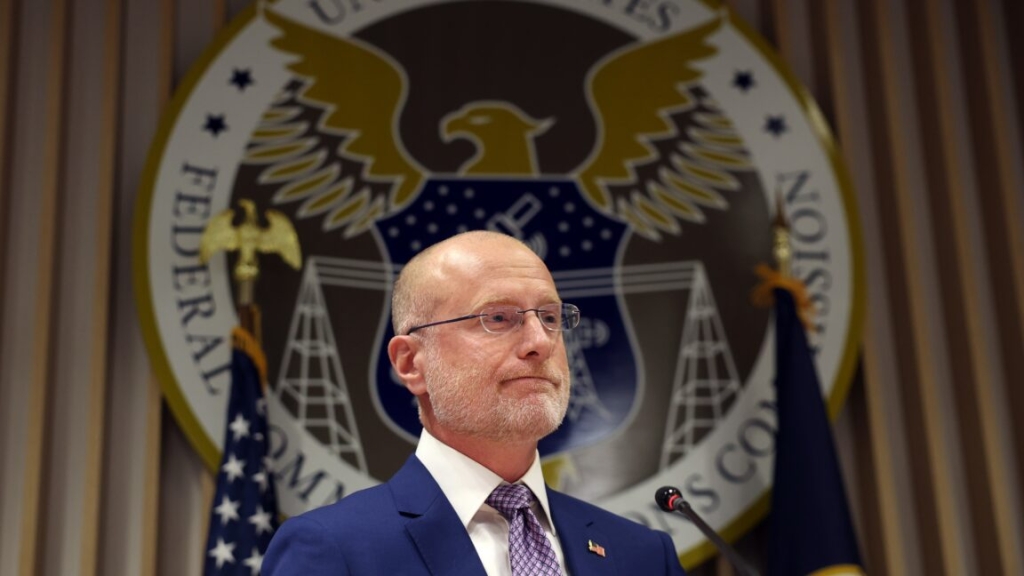
FCC Chairman Brendan Carr Urges Broadcasters to Join ‘Pledge America Campaign’ for Patriotic Programming
In a move that has sparked both enthusiasm and controversy, Federal Communications Commission (FCC) Chairman Brendan Carr has launched a nationwide initiative calling on broadcasters to support President Donald Trump’s “Salute to America 250” project through a voluntary pledge campaign.
Carr, who has been a vocal supporter of the administration’s media policies, announced the “Pledge America Campaign” in a press release that invites broadcasters to commit to airing programming that celebrates American history, patriotism, and civic education. The campaign is designed to coincide with the nation’s upcoming 250th anniversary of independence, with festivities planned to run from Memorial Day 2025 through July 4, 2026.
What the Pledge Entails
The FCC chairman outlined several examples of content that broadcasters can include if they take the pledge. These include:
- Starting each broadcast day with the “Star Spangled Banner” or Pledge of Allegiance
- Airing public service announcements (PSAs), short segments, or full specials promoting civic education, inspiring local stories, and American history
- Running segments during regular news programming that highlight local sites significant to American and regional history, such as National Park Service sites
- Airing music by America’s greatest composers, such as John Philip Sousa, Aaron Copland, Duke Ellington, and George Gershwin
- Providing daily “Today in American History” announcements highlighting significant events from U.S. history
Carr emphasized that the pledge is voluntary, but he also noted that broadcasters can meet their public interest obligations by taking the pledge. This is a significant point, as Carr has previously threatened to punish broadcast stations for violating the public interest standard.
Political Context and Controversy
The timing and nature of Carr’s initiative have raised eyebrows among media watchdogs and critics. While the campaign is described as non-partisan, its alignment with Trump’s “Salute to America 250” project has led to accusations of political bias. The White House has described the project as a “full year of festivities” to celebrate the nation’s 250th birthday, with Trump recently declaring a “yearlong commemoration” of American independence that began on January 1, 2026.
Critics argue that the FCC, as an independent agency, should remain neutral and not promote specific political agendas. They also question whether the pledge could pressure broadcasters to air content that aligns with the administration’s vision of patriotism, potentially stifling diverse perspectives.
Industry Response
The broadcasting industry’s response to Carr’s initiative has been mixed. Some broadcasters have expressed support for the campaign, viewing it as an opportunity to engage audiences with meaningful content about American history and values. Others, however, are wary of the potential implications for editorial independence and the risk of appearing to endorse a particular political narrative.
The National Association of Broadcasters (NAB), a trade group representing the industry, has not yet issued an official statement on the pledge. However, industry insiders suggest that many stations are likely to participate, given the FCC’s regulatory authority and the potential benefits of demonstrating compliance with public interest obligations.
Historical Precedent
This is not the first time the FCC has encouraged broadcasters to air patriotic content. During World War II, the agency urged stations to support the war effort through programming that promoted national unity and morale. However, the current initiative is notable for its explicit connection to a political project and its potential to influence programming decisions in the lead-up to a major national anniversary.
Legal and Ethical Considerations
The voluntary nature of the pledge raises questions about the FCC’s role in shaping media content. While the agency has the authority to enforce public interest obligations, critics argue that encouraging broadcasters to air specific types of programming could blur the line between regulation and advocacy.
Legal experts have also pointed out that the First Amendment protects broadcasters’ editorial independence, and any attempt to coerce or pressure stations into airing certain content could be challenged in court. However, as long as the pledge remains voluntary, it is unlikely to face legal scrutiny.
Looking Ahead
As the “Pledge America Campaign” gains traction, it will be closely watched by media observers, policymakers, and the public. The initiative’s success will depend on how broadcasters respond and whether it leads to a meaningful increase in programming that celebrates American history and values.
At the same time, the campaign’s alignment with Trump’s “Salute to America 250” project ensures that it will remain a topic of debate and discussion in the months and years to come. Whether it ultimately strengthens national unity or deepens political divisions remains to be seen.
Tags and Viral Phrases:
- FCC Chairman Brendan Carr
- Pledge America Campaign
- Salute to America 250
- Patriotic programming
- Broadcasters urged to join
- American history and values
- Voluntary pledge for broadcasters
- Public interest obligations
- Controversial FCC initiative
- Media watchdogs raise concerns
- Political bias in media
- National Association of Broadcasters
- Editorial independence
- First Amendment protections
- Trump’s 250th anniversary celebration
- Yearlong commemoration of independence
- Patriotic content in broadcasting
- Media regulation and advocacy
- National unity through programming
- Historical precedent in FCC policies
,

Leave a Reply
Want to join the discussion?Feel free to contribute!