
FCC chair blasts Amazon after it criticizes SpaceX megaconstellation
Amazon’s Satellite Struggles: FCC Chair Sparks Controversy Amid SpaceX Feud
In the high-stakes arena of orbital internet dominance, Amazon’s Project Kuiper is facing mounting pressure as it struggles to meet critical deployment deadlines. The company’s ambitious plan to launch 3,236 satellites as part of its Amazon Leo constellation is now in jeopardy, with the July 30 deadline looming just months away. Sources familiar with the matter indicate Amazon will fall significantly short of its commitment to deploy half of its planned constellation by the mandated date.
The e-commerce and cloud computing giant has formally requested an extension from the Federal Communications Commission, asking to push the deadline to July 30, 2028. This three-year reprieve would provide Amazon crucial breathing room as it works to catch up with competitors who have already established substantial orbital presences.
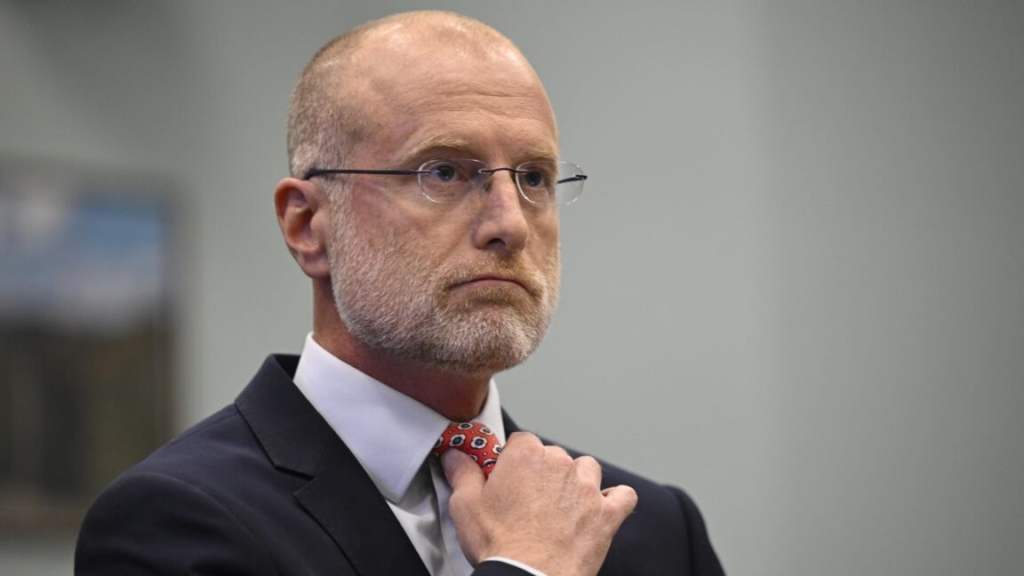
Meanwhile, the regulatory landscape has become even more contentious following a provocative intervention by FCC Chairman Brendan Carr. In a move that has sent shockwaves through the tech industry, Carr publicly criticized Amazon’s approach to the ongoing dispute with SpaceX over megaconstellation proposals.
“Amazon should focus on the fact that it will fall roughly 1,000 satellites short of meeting its upcoming deployment milestone, rather than spending their time and resources filing petitions against companies that are putting thousands of satellites in orbit,” Carr stated on X, the social media platform owned by Elon Musk.
This public rebuke represents an unusual level of direct engagement from the FCC Chair in what has essentially become a corporate battle between two of America’s most influential tech titans. Jeff Bezos and Elon Musk have long been rivals in multiple sectors, from e-commerce to space exploration, and their companies’ competing satellite internet ambitions have now drawn the nation’s top telecom regulator into the fray.
The controversy centers on two competing visions for the future of orbital internet infrastructure. SpaceX’s proposed expansion would dramatically increase its Starlink constellation, while Amazon seeks to establish its own independent network through Project Kuiper. Both companies argue their approaches are essential for providing global broadband coverage, particularly in underserved regions.
Industry analysts note that Carr’s comments appear to favor SpaceX’s position, raising questions about regulatory impartiality. While the FCC Chair is indeed entitled to hold strong policy views, the optics of publicly siding with one company over another in a regulatory dispute have created tension within the commission and among industry observers.
The technical challenges facing both companies are substantial. SpaceX’s forthcoming Starship rocket promises to revolutionize launch capabilities, potentially accelerating satellite deployment at unprecedented rates. This technological advantage could allow SpaceX to rapidly expand its constellation while Amazon continues to face manufacturing and launch delays.
However, critics argue that SpaceX’s application for one million satellites represents an unprecedented and potentially hazardous expansion of orbital infrastructure. The application lacks crucial details about satellite specifications, including size, mass, and operational parameters necessary for comprehensive safety assessments. Such a massive increase in low-Earth orbit objects raises legitimate concerns about space debris, collision risks, and the long-term sustainability of orbital operations.
Amazon’s position is complicated by its own deployment challenges. The company’s manufacturing pipeline has faced unexpected bottlenecks, and launch vehicle availability has proven more constrained than initially anticipated. These factors have combined to create a significant gap between Amazon’s deployment targets and its actual progress.
The political dimensions of this dispute extend beyond the immediate regulatory battle. Both Bezos and Musk maintain significant influence in Washington through lobbying efforts and political contributions. Their companies represent substantial economic interests and employment across multiple states, giving them considerable leverage in policy discussions.
Legal experts suggest that Carr’s public statements, while not violating any specific regulations, may create the appearance of bias that could complicate future FCC proceedings. The agency is expected to rule on Amazon’s extension request, and Carr’s comments could be perceived as prejudging the outcome.
The broader implications touch on fundamental questions about the future of space commerce and regulation. As private companies increasingly dominate orbital activities, the role of government oversight becomes more complex. The balance between fostering innovation and ensuring responsible space stewardship represents a critical challenge for regulators.
Market analysts observe that the outcome of this dispute could significantly impact the competitive landscape for satellite internet services. Amazon’s ability to meet its deployment commitments will directly affect its market entry timeline and competitive positioning against established players like SpaceX’s Starlink.
The controversy also highlights the growing tension between rapid technological advancement and established regulatory frameworks. Traditional approaches to spectrum allocation and orbital licensing are being stress-tested by the scale and speed of private space initiatives.
As the July deadline approaches, all eyes will be on Amazon’s deployment progress and the FCC’s handling of the extension request. The company’s ability to demonstrate meaningful advancement toward its constellation goals may influence regulatory decisions and public perception.
The stakes extend beyond corporate competition to encompass national economic interests, technological leadership, and the fundamental question of who controls the increasingly crowded orbital environment. As these tech giants continue their celestial chess match, the regulatory framework governing space commerce faces its most significant test yet.
The outcome of this dispute will likely establish precedents that shape orbital internet development for years to come, determining not just which companies succeed, but how humanity’s presence in space evolves in the coming decades.
Tags
Amazon Project Kuiper, FCC Brendan Carr, SpaceX Starlink, satellite internet, orbital data centers, space regulation, megaconstellations, low Earth orbit, Jeff Bezos, Elon Musk, space commerce, satellite deployment, regulatory controversy, orbital infrastructure, space debris, broadband internet, tech rivalry, FCC extension, satellite manufacturing, launch delays
Viral Phrases
“Amazon falling 1,000 satellites short”
“Carr weighs in on Musk’s side”
“Century-long deployment timeline”
“1 million satellites application”
“Space junk apocalypse”
“Regulatory impartiality questioned”
“Tech titans’ orbital battle”
“Low Earth orbit overcrowding”
“Space commerce stress test”
“Amazon’s deployment nightmare”
“SpaceX’s Starship advantage”
“Regulatory framework under fire”
“Competitive orbital positioning”
“Space economy stakes”
“Future of satellite internet”
“Regulatory framework stress test”
“Space debris concerns”
“National economic interests”
“Technological leadership race”
“Cosmic chess match”
,


Leave a Reply
Want to join the discussion?Feel free to contribute!