
FDA-Approved Seizure Drug May Stop Alzheimer’s Before It Starts
FDA-Approved Seizure Drug May Stop Alzheimer’s Before It Starts
In a groundbreaking development that could reshape the landscape of Alzheimer’s research, scientists have uncovered a surprising new potential for an already-approved seizure medication: preventing Alzheimer’s disease before it ever begins. This revelation, which has sent ripples through the scientific community, offers a glimmer of hope in the ongoing battle against a condition that affects millions worldwide.
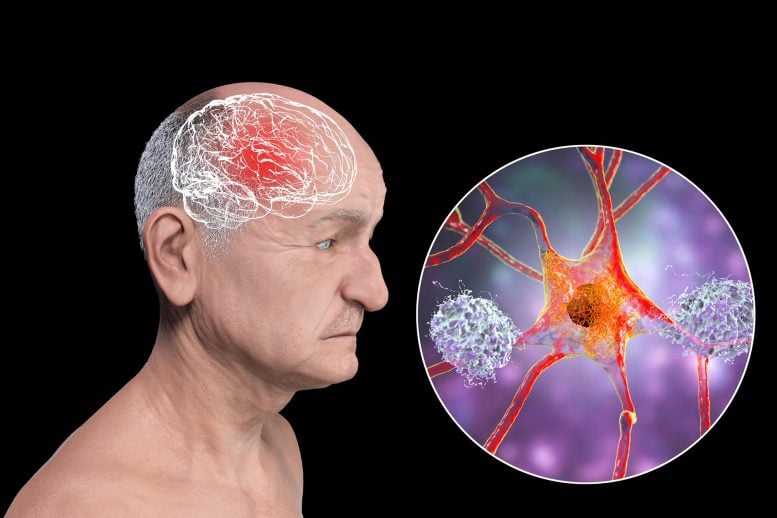
For decades, Alzheimer’s research has primarily focused on treatments that aim to remove the amyloid plaques that accumulate in the brains of those affected by the disease. These plaques, composed of toxic protein fragments, have long been considered the hallmark of Alzheimer’s. However, a new study suggests that a different approach may hold the key to preventing the disease altogether.
Enter levetiracetam, a drug commonly used to treat epilepsy and seizures. Unlike traditional Alzheimer’s treatments that target existing plaques, levetiracetam works by blocking the production of toxic amyloid beta peptides in the first place. This preventative approach could potentially halt the disease in its tracks, offering a revolutionary new strategy in the fight against Alzheimer’s.
The study, published in a leading scientific journal, reveals that levetiracetam’s mechanism of action is fundamentally different from existing Alzheimer’s treatments. By inhibiting the production of amyloid beta peptides, the drug effectively cuts off the disease at its source. This approach could prove to be a game-changer, as it addresses the root cause of Alzheimer’s rather than merely treating its symptoms.
Researchers have long recognized that Alzheimer’s disease is characterized by the buildup of toxic protein fragments in the brain. However, the exact mechanisms behind this process have remained elusive. The new findings shed light on this mystery, suggesting that by targeting the production of these harmful peptides, it may be possible to prevent the disease from ever taking hold.
The implications of this discovery are profound. If further research confirms these initial findings, it could pave the way for a new era in Alzheimer’s prevention. Imagine a world where individuals at high risk for Alzheimer’s could take a simple medication to significantly reduce their chances of developing the disease. This could potentially save millions from the devastating cognitive decline associated with Alzheimer’s.
Moreover, the fact that levetiracetam is already FDA-approved for other uses is a significant advantage. This means that the drug has already undergone extensive safety testing, potentially speeding up the process of repurposing it for Alzheimer’s prevention. While more research is needed to fully understand the drug’s effectiveness in this new context, the initial results are undeniably promising.
The study also raises intriguing questions about the relationship between epilepsy and Alzheimer’s. Both conditions involve abnormal brain activity, and this new research suggests that there may be more connections between the two than previously thought. This could open up new avenues for research into the underlying mechanisms of both disorders.
However, it’s important to note that this is still early-stage research. While the findings are exciting, much more work needs to be done before levetiracetam can be considered a viable preventative treatment for Alzheimer’s. Clinical trials will be necessary to determine the drug’s effectiveness in humans and to establish optimal dosing and treatment regimens.
Nevertheless, this discovery represents a significant step forward in our understanding of Alzheimer’s disease. It challenges the long-held assumption that the only way to combat the disease is by removing existing plaques. Instead, it suggests that preventing the formation of these plaques in the first place could be a more effective strategy.
As the global population ages, the need for effective Alzheimer’s treatments becomes increasingly urgent. Current estimates suggest that Alzheimer’s affects over 6 million Americans, with that number expected to double by 2050. The potential of levetiracetam to prevent the disease could have far-reaching implications for public health and healthcare systems worldwide.
In conclusion, while there is still much work to be done, this groundbreaking research offers a new ray of hope in the fight against Alzheimer’s disease. By repurposing an existing drug to prevent the formation of toxic proteins in the brain, scientists may have unlocked a powerful new tool in the battle against this devastating condition. As research continues, the world watches with bated breath, hoping that this discovery will lead to a future where Alzheimer’s is no longer a looming threat for millions of people worldwide.
Tags: FDA-approved, seizure drug, Alzheimer’s prevention, levetiracetam, amyloid beta peptides, cognitive decline, brain health, neurodegenerative disease, medical breakthrough, preventative medicine, epilepsy treatment, protein buildup, clinical trials, public health, aging population, scientific discovery, drug repurposing, neurological research, cognitive impairment, memory loss prevention.
Viral Sentences:
- “Game-changing Alzheimer’s breakthrough could prevent the disease before it starts!”
- “Scientists discover unexpected use for common seizure medication in Alzheimer’s fight.”
- “New hope for millions: FDA-approved drug may stop Alzheimer’s in its tracks.”
- “Revolutionary approach to Alzheimer’s: Preventing plaque formation instead of removing it.”
- “Could this be the key to unlocking Alzheimer’s prevention? Groundbreaking study reveals all.”
- “From epilepsy to Alzheimer’s: How one drug might change the future of brain health.”
- “Alzheimer’s research takes a surprising turn as scientists uncover new preventative strategy.”
- “The end of Alzheimer’s? New study suggests we may be able to stop it before it begins.”
- “Medical marvel: Common seizure drug shows promise in preventing Alzheimer’s disease.”
- “Breaking the cycle: How blocking toxic proteins could be the answer to Alzheimer’s prevention.”
,

Leave a Reply
Want to join the discussion?Feel free to contribute!