
Figma partners with OpenAI to bake in support for Codex
Figma and OpenAI Join Forces to Revolutionize Design-to-Code Workflow with Codex Integration
In a groundbreaking move that’s sending shockwaves through the tech world, Figma has announced a major partnership with OpenAI to integrate Codex, the AI-powered coding assistant, directly into its design platform. This integration marks a pivotal moment in the evolution of design-to-development workflows, promising to blur the lines between visual creativity and functional code like never before.
Just a week after Figma struck a similar deal with Anthropic to integrate Claude Code, the company is doubling down on its commitment to AI-driven design tools. The new Codex integration allows users to seamlessly transition between Figma’s infinite canvas and Codex’s coding environment, enabling a fluid back-and-forth between design and development.
“This is more than just a tool—it’s a paradigm shift,” said Loredan Crisan, Figma’s Chief Design Officer. “With this integration, teams can build on their best ideas—not just their first idea—by combining the best of code with the creativity, collaboration, and craft that comes with Figma’s infinite canvas.”
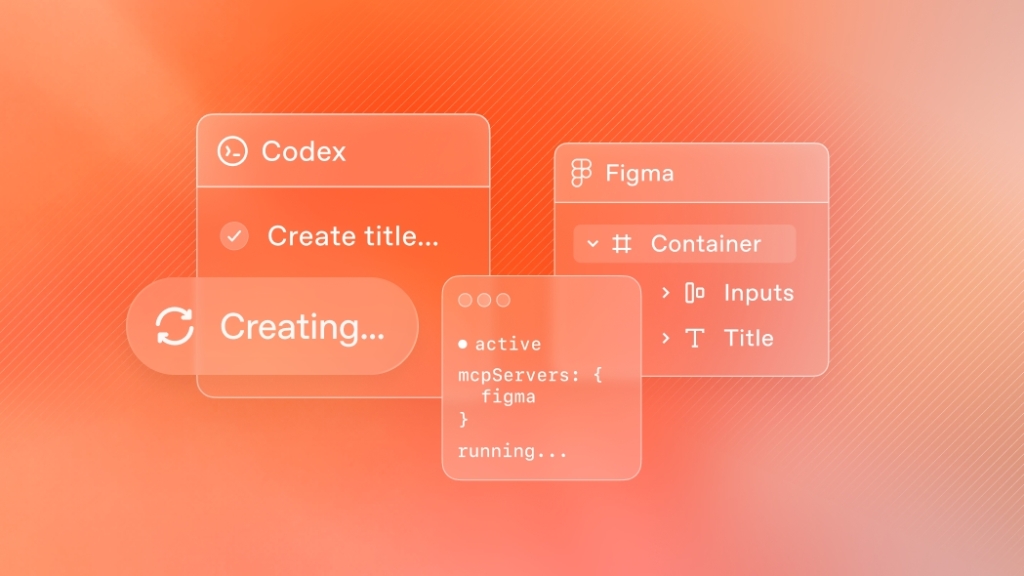
The integration leverages Figma’s Mobile Context Protocol (MCP) server, allowing users to start a project in Figma or Codex and move effortlessly between the two platforms. Previously, users could bring details from Figma design files, Figma Make, or FigJam into Codex for code-based implementation. Now, the process is more intuitive and dynamic than ever.
Alexander Embiricos, Codex Product Lead, emphasized the transformative potential of the integration. “The integration makes Codex powerful for a much broader range of builders and businesses because it doesn’t assume you’re ‘a designer’ or ‘an engineer’ first. Engineers can iterate visually without leaving their flow, and designers can work closer to real implementation without becoming full-time coders.”
This partnership comes at a time when AI coding tools are exploding in popularity. OpenAI first launched Codex as a command-line coding assistant last year to compete with Anthropic’s Claude Code. Since then, the company has built Codex into ChatGPT and launched a dedicated macOS app for the tool earlier this month. The macOS app was downloaded over a million times within its first week of release, a testament to the tool’s growing demand.
OpenAI has also released two new Codex models in quick succession, further enhancing the tool’s capabilities. The company claims that over a million users are actively using Codex weekly, underscoring its rapid adoption across the tech industry.
Figma’s partnership with OpenAI is not new. In October 2025, Figma was one of the first companies to launch an app inside ChatGPT, signaling its early commitment to integrating AI into its platform. This latest collaboration with Codex represents a natural evolution of that strategy, bringing AI-driven coding tools directly into the hands of designers and developers.
The implications of this integration are profound. For designers, it means the ability to prototype and iterate without relying on developers, accelerating the creative process. For developers, it offers a more intuitive way to translate designs into functional code, reducing friction and improving collaboration. For businesses, it promises faster time-to-market and more innovative products.
As the tech world eagerly anticipates the next wave of AI-driven tools, Figma and OpenAI’s partnership stands out as a bold step toward a future where design and code are no longer siloed but seamlessly integrated. This is not just a new feature—it’s a new way of working, and it’s poised to reshape the landscape of digital creation.
Tags: Figma, OpenAI, Codex, AI coding, design-to-code, Claude Code, Anthropic, Mobile Context Protocol, MCP, ChatGPT, macOS app, tech integration, workflow innovation, digital design, development tools, AI-powered tools, collaboration, prototyping, time-to-market, tech partnership.
Viral Phrases:
- “A paradigm shift in design-to-code workflows.”
- “Blurring the lines between creativity and functionality.”
- “A million downloads in a week—Codex is taking over.”
- “Designers can now code without becoming coders.”
- “The future of digital creation is here.”
- “Figma and OpenAI: A match made in tech heaven.”
- “Say goodbye to siloed workflows.”
- “AI is the new designer’s best friend.”
- “From canvas to code in seconds.”
- “The ultimate tool for builders and dreamers.”
- “Figma’s infinite canvas just got infinite possibilities.”
- “This is not just a tool—it’s a revolution.”
- “The tech world is buzzing—Codex is here to stay.”
- “Design, code, repeat—effortlessly.”
- “Figma and OpenAI are changing the game.”
- “A million users can’t be wrong.”
- “The future of collaboration is AI-powered.”
- “From idea to execution, faster than ever.”
- “This is what innovation looks like.”
- “The next big thing in tech is here.”
,


Leave a Reply
Want to join the discussion?Feel free to contribute!