
Final analysis of 2025 Iberian blackout: Policies left Spain at risk
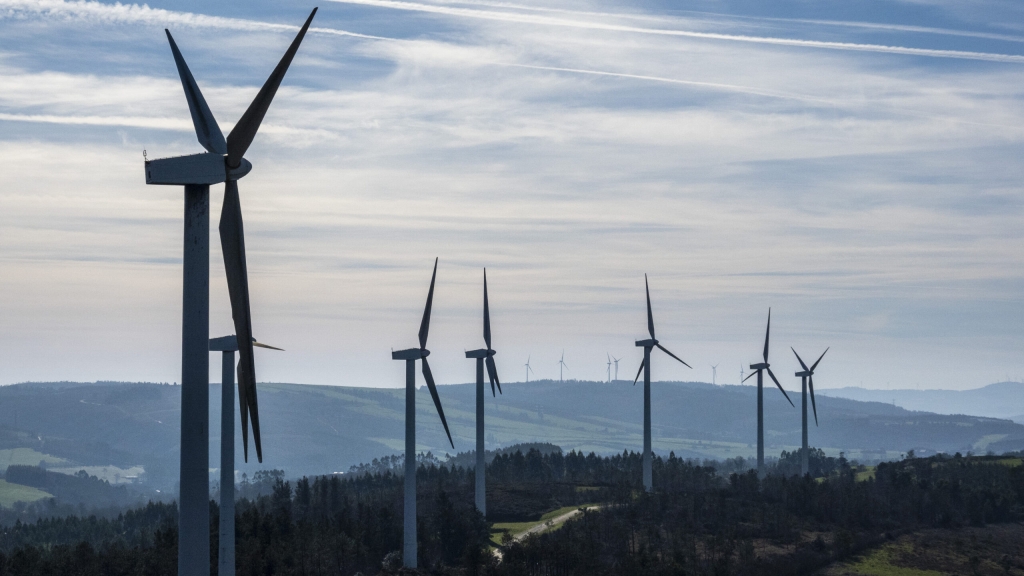
Spain’s Massive Blackout: Renewables Aren’t to Blame, but Inverters Are Under Scrutiny
Spain is still reeling from its largest blackout in recent memory—a cascading grid failure that plunged millions into darkness and exposed critical weaknesses in the country’s otherwise advanced energy infrastructure. The initial panic and political finger-pointing quickly centered on renewable energy, but a newly released technical report paints a very different picture: the problem wasn’t wind turbines or solar panels—it was how they were behaving under stress.
The Grid That Couldn’t Handle the Pressure
On the day of the blackout, Spain’s grid was operating under conditions that, on paper, should have been manageable. Wind and solar were generating a significant share of electricity, and the overall system had more than enough capacity. Yet, a seemingly minor oscillation in grid frequency triggered a chain reaction. The report found that even tripling the amount of inertia from traditional spinning generators—like hydro or gas turbines—would have only reduced the system’s oscillations by about 3 percent. In other words, more conventional power online wouldn’t have prevented the collapse.
Rooftop Solar: The Hidden Culprit
The real smoking gun appears to be distributed solar power—specifically, rooftop photovoltaic systems. Unlike large solar farms, which are tightly regulated and monitored, small-scale installations operate with minimal oversight. Spain’s grid operator, Red Eléctrica, estimates there are about 6.5 GW of small-scale solar installations, but it has limited visibility into how these systems behave in real time.
The report uncovered alarming data: during the first oscillations, over 12 percent of inverters from one major manufacturer disconnected from the grid, reconnecting only minutes later. Then, as voltage spiked again just before the blackout, more than 20 percent dropped off once more. In contrast, a competing manufacturer’s hardware saw disconnection rates never exceed 10 percent. This disparity suggests that the exact behavior of small-scale generation is highly dependent on the inverter manufacturer—and that the grid operator is flying blind when it comes to these systems.
Policy Gaps, Not Technology Failures
The core issue isn’t that renewable technology is unreliable; it’s that there’s no cohesive policy governing how small-scale inverters should respond to grid disturbances. Unlike large power plants, which must meet strict technical standards, rooftop solar systems can behave unpredictably, disconnecting en masse and destabilizing the grid just when it needs them most.
This regulatory blind spot is now the focus of urgent calls for reform. The report recommends greater automation of grid support equipment, wider safety margins between alarms and disconnection thresholds, and—most critically—alignment between grid policies and the actual behavior of inverter hardware.
A Path Forward: Learning and Adapting
Encouragingly, the report identifies numerous fixes that are both technically feasible and economically sensible. Spain’s grid is not broken; it’s evolving. The country has limited battery storage today, but as renewable generation continues to grow, so will the economic case for energy storage. Batteries can smooth out the peaks and troughs of wind and solar, providing crucial stability services that inverters alone cannot.
The biggest challenge now is speed. How quickly can Spain implement these recommendations? Can it close the regulatory gaps before the next crisis? The answers will determine whether this blackout becomes a cautionary tale—or a catalyst for a smarter, more resilient grid.
The Bottom Line
Spain’s blackout was not a failure of renewable energy, but a failure of integration. As the world races toward net-zero emissions, this episode offers a vital lesson: the energy transition isn’t just about building more wind turbines and solar panels. It’s about building a grid that can handle them—and that means updating technology, policy, and oversight in lockstep.
The good news? The solutions are within reach. The question is whether Spain—and the rest of the world—can move fast enough to put them in place before the next shock hits.
Tags: Spain blackout, renewable energy, grid stability, inverters, rooftop solar, Red Eléctrica, energy transition, net-zero, battery storage, grid policy, distributed generation, cascading failure, grid resilience
Viral Lines:
- “Renewables didn’t cause the blackout—bad policy did.”
- “Rooftop solar: the hidden Achilles’ heel of Spain’s grid.”
- “Inertia isn’t enough. Spain’s grid needs brains, not just brawn.”
- “The future is renewable, but only if the grid can handle it.”
- “Batteries are the new baseload. Spain’s grid needs them now.”
- “One manufacturer’s inverters failed. Another’s held strong. Why?”
- “Spain’s blackout: a warning, not a verdict, on clean energy.”
- “Policy gaps, not technology gaps, caused the crisis.”
- “The next blackout is coming. Will Spain be ready?”
,

Leave a Reply
Want to join the discussion?Feel free to contribute!