
Firmware Upstreamed For Supporting The Qualcomm Snapdragon X2’s Adreno GPU
Qualcomm Snapdragon X2 GPU Firmware Finally Lands in Linux Kernel, Paving the Way for Native Linux Support
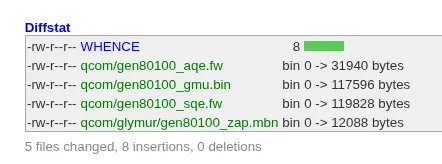
In a significant development for Linux enthusiasts and ARM-based computing, Qualcomm has officially upstreamed the GPU firmware files for the Adreno X2-85 graphics found in its latest Snapdragon X2 Elite laptop System-on-Chip (SoC). This milestone, quietly merged into the linux-firmware.git repository last week, marks a crucial step toward robust native Linux support for next-generation ARM laptops.
The Snapdragon X2 Elite, Qualcomm’s latest ARM-based laptop processor, represents a major leap forward in mobile computing performance. At its heart lies the Adreno X2-85 GPU, built on the company’s Gen8 graphics architecture. This GPU promises substantial performance improvements over its predecessor, the Adreno Gen7 found in the original Snapdragon X1 series.
The Firmware Challenge That Held Back ARM Laptops
For years, ARM-based Windows laptops have faced significant hurdles when attempting to run Linux. The primary obstacle wasn’t driver support—the open-source Freedreno driver had already been extended to handle Gen8 Adreno GPUs—but rather the lack of accessible firmware files. Unlike traditional x86 laptops where firmware is typically open or easily extractable, ARM laptop manufacturers have historically bundled their firmware with Windows installations, creating a dependency that effectively locked users into Microsoft’s ecosystem.
This situation reached a particularly frustrating point with the Snapdragon X1 series, where Linux users were forced to extract firmware from Windows installations—a legally gray area that many found ethically questionable. The practice also created practical problems: users needed access to a Windows installation, technical knowledge to extract the correct files, and acceptance of the associated risks.
A New Era of Openness for Snapdragon X2
The upstreaming of GPU firmware for the Snapdragon X2 represents a fundamental shift in Qualcomm’s approach to the Linux community. By contributing these firmware files directly to the linux-firmware.git repository—the de facto standard for Linux firmware—Qualcomm has eliminated the need for users to engage in firmware extraction from Windows installations.
This change has several important implications:
First, it dramatically simplifies the Linux installation process on Snapdragon X2 laptops. Users can now expect a more straightforward experience similar to installing Linux on traditional x86 hardware. The firmware files will be automatically included in most Linux distributions, eliminating a significant barrier to adoption.
Second, it signals Qualcomm’s growing commitment to the open-source community. While the company has long supported Linux on its Snapdragon processors in the mobile space, the laptop segment has seen more limited engagement. This firmware contribution suggests a strategic pivot toward embracing Linux as a first-class citizen on ARM laptops.
Technical Details of the Implementation
The firmware files added to linux-firmware.git enable the full functionality of the Adreno X2-85 GPU under the open-source Freedreno driver. This driver, maintained by developers at Collabora and other contributors, has matured significantly over the past several years and now provides competitive performance for many use cases.
Linux kernel 6.19, released earlier this year, added initial support for the X2-85 GPU to the Qualcomm MSM DRM driver. This kernel update, combined with Mesa 26.0’s introduction of Gen8 Adreno support, created the software foundation necessary for GPU acceleration. However, without the corresponding firmware, these drivers would have remained non-functional.
The firmware commit, identified by hash 0364daaa28a266252de482995109d7baff1959e8, includes all the binary blobs necessary for initializing and running the Adreno X2-85 GPU. These files handle critical functions such as power management, clock configuration, and the initial GPU state setup required before the open-source driver can take over.
What This Means for Linux on ARM Laptops
The upstreaming of GPU firmware removes one of the most significant obstacles to running Linux on Snapdragon X2 laptops. However, it’s important to note that GPU support isn’t the only consideration for full system functionality.
Other components on these ARM laptops will still require their respective firmware binaries. These may include:
- WiFi and Bluetooth modules
- Embedded controllers for keyboard and power management
- Audio codecs and DSPs
- Camera sensors
- Security processors
The availability of firmware for these components will depend on the policies of individual laptop manufacturers. Some OEMs may choose to upstream their firmware to linux-firmware.git, following Qualcomm’s lead, while others may continue the practice of tying firmware to Windows installations.
This situation creates an interesting dynamic where the GPU—historically one of the most challenging components for Linux support on ARM—is now better supported than some other system components.
Performance Expectations and Real-World Impact
While the firmware upstreaming is a crucial prerequisite, actual performance will depend on the maturity of the Freedreno driver for Gen8 Adreno GPUs. Early reports from developers suggest that the driver is functional but may not yet match the performance of proprietary Windows drivers.
For typical laptop use cases—web browsing, office productivity, media consumption—the open-source driver with upstreamed firmware should provide a satisfactory experience. More demanding applications, particularly gaming and professional graphics work, may see limitations until the driver matures further.
The Snapdragon X2 Elite’s architecture, built on ARM’s latest Oryon cores, promises excellent performance-per-watt characteristics. When combined with proper Linux support, these laptops could offer compelling alternatives to traditional x86 machines, particularly for users prioritizing battery life and thermal efficiency.
Looking Ahead: The Future of Linux on ARM
Qualcomm’s decision to upstream GPU firmware for the Snapdragon X2 series could have ripple effects throughout the ARM laptop ecosystem. Competitors like Apple, MediaTek, and others will likely face increasing pressure to provide similar openness for their hardware.
The Linux community has long advocated for better support of ARM hardware, and this development represents a significant victory. It demonstrates that sustained community engagement and clear communication about the benefits of open firmware can influence even large corporations’ policies.
As more manufacturers recognize the value of upstreaming firmware—including easier maintenance, better security through community review, and expanded market reach—we may see a virtuous cycle developing where ARM laptops become increasingly viable platforms for Linux users.
Conclusion
The upstreaming of Adreno X2-85 GPU firmware to linux-firmware.git represents more than just a technical achievement; it’s a statement about the growing importance of Linux in the ARM laptop ecosystem. By eliminating the need for Windows firmware extraction, Qualcomm has removed a significant barrier to Linux adoption on its latest hardware.
While challenges remain—particularly regarding firmware for other system components—this development provides a solid foundation for the next generation of Linux-powered ARM laptops. As the Freedreno driver continues to mature and more manufacturers embrace firmware openness, the vision of truly open ARM computing moves closer to reality.
For Linux users eagerly anticipating the arrival of Snapdragon X2 laptops, this news offers reassurance that the platform will be ready to support these devices natively, without the compromises and uncertainties that have characterized ARM laptop Linux support in the past.
Tags & Viral Phrases:
Snapdragon X2 Linux support, Adreno X2-85 firmware, Qualcomm ARM laptop, linux-firmware.git upstream, Freedreno Gen8 driver, Snapdragon X2 Elite GPU, ARM laptop Linux, Qualcomm open-source commitment, GPU firmware Linux kernel, Snapdragon X2 native Linux, Adreno graphics Linux, ARM Windows alternative, Linux on Snapdragon X2, Qualcomm MSM DRM driver, Mesa 26.0 Adreno support, Oryon core Linux compatibility, ARM laptop firmware challenge, Linux ARM ecosystem growth, Snapdragon X2 gaming Linux, Qualcomm firmware upstreaming
,


Leave a Reply
Want to join the discussion?Feel free to contribute!