
First drone passengers may be combat casualties and criminals
The Dawn of the Passenger Drone Era: From Battlefield Medevacs to Criminal Escapes
In a development that blurs the line between science fiction and stark reality, the world’s first passenger-carrying drones may already be taking flight—though not in the gleaming urban skies that tech companies have long promised. Instead, these pioneering human-carrying drones are emerging in the most unexpected and controversial contexts: evacuating wounded soldiers from war zones and potentially smuggling criminals across borders.
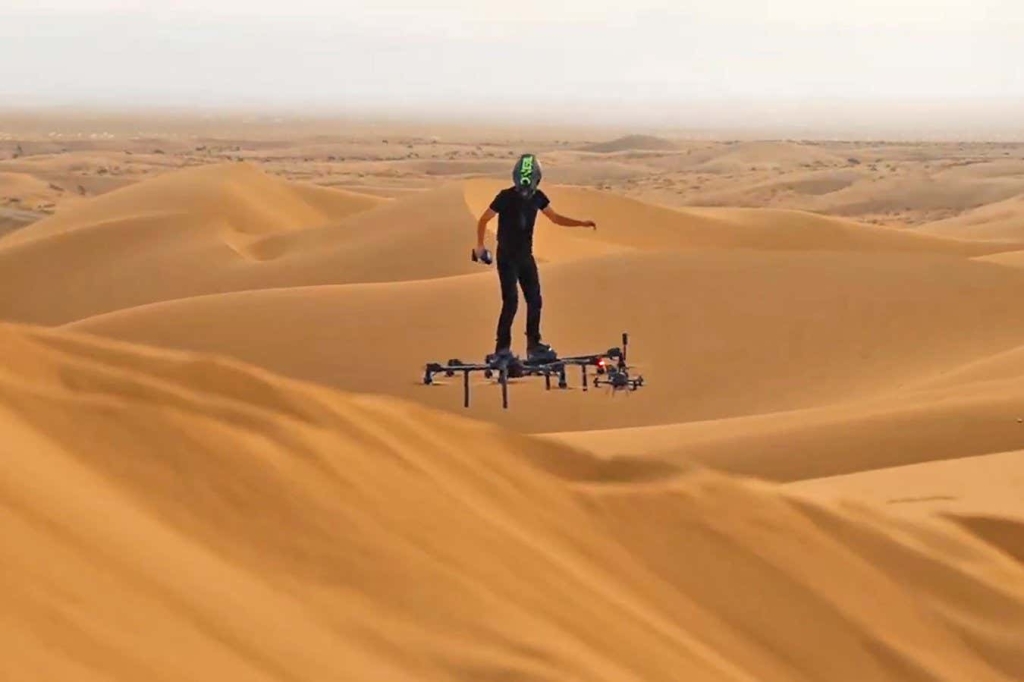
The technology at the heart of this revolution is surprisingly accessible. Heavy-lift drones are essentially scaled-up versions of the quadcopters that have become ubiquitous in recent years. Hair-raising YouTube videos show hobbyists being lifted by homemade contraptions, demonstrating that the basic physics and engineering are within reach of determined amateurs. Yet transforming this raw capability into safe, certified passenger transport is a monumental challenge that leading aviation companies are still grappling with.
Industry giants like Volocopter, EHang, and Eve Air Mobility are racing toward certification of their passenger drones, with many targeting approval this year or next. These vehicles represent the future of urban air mobility—electric vertical takeoff and landing (eVTOL) aircraft designed to ferry passengers through city skies with the quiet efficiency of a flying taxi. But while these companies navigate complex regulatory frameworks and exhaustive safety testing, a different kind of passenger drone revolution is already underway.
The rapid advancement of commercial heavy-lift cargo drones has created an unexpected opportunity. Agricultural and industrial drones capable of carrying 85 kilograms or more are now available for just over £10,000—a fraction of the cost of traditional aircraft. The DJI FlyCart 100, launched last year, exemplifies this trend. While these drones aren’t certified for passenger transport, the line between cargo and passenger is becoming increasingly blurred in practice.
In Ukraine’s ongoing conflict, medical evacuation has become a critical challenge. The omnipresent threat of drone attacks makes ground transport perilous, while traditional helicopter medevacs are limited by range, cost, and vulnerability. Uncrewed ground vehicles—essentially robotic ambulances controlled remotely by human operators—have become the preferred method for casualty transport. However, the limitations of ground-based evacuation have driven innovation in aerial solutions.
In August 2025, Oleksandr Syrskyi, commander-in-chief of Ukraine’s armed forces, announced that aerial drones were being tested for medical evacuation roles. The urgency is clear: transporting a badly wounded soldier to advanced medical care within the “golden hour” can dramatically increase survival rates. Roy Gardiner, with the non-profit group Defense Tech for Ukraine, emphasizes that “such drones will inevitably appear” as both sides in the conflict develop heavy multicopter drones capable of rapid aerial evacuation.
The reality of drone-based medical evacuation is far from ideal. Traditional helicopter air ambulances carry medical personnel who can monitor patients and provide critical care during transport. A cargo drone, by contrast, offers little more than rapid transportation away from the combat zone. Yet in situations where any transport to medical facilities could be life-saving, the speed and terrain-independence of aerial drones may outweigh their limitations. The ride may be smoother and faster than ground-based robotic ambulances, potentially making the difference between life and death.
Beyond the battlefield, the democratization of heavy-lift drone technology has attracted the attention of criminal organizations. A recent report by DroneSec, an Australia-based intelligence company, has documented increased interest in human-carrying drones among illicit groups. The report highlights a video from Pakistan-based militant group Lashkar-e-Taiba showing a heavy-lift drone ferrying a passenger short distances at a training camp. This group, already known for smuggling arms and drugs across the India-Pakistan border, appears to be experimenting with drones as a new tool for human transport.
Robert Bunker of US consultancy firm C/O Futures explains the appeal to criminal organizations: “These systems can be used for human smuggling… over a secure border wall or obstacle.” Criminal groups, he notes, are “early innovators” who don’t concern themselves with safety regulations, certification requirements, or other bureaucratic hurdles that legitimate operators must navigate.
The implications extend far beyond simple border crossings. Small drones are already extensively used for smuggling contraband into prisons—cigarettes, drugs, weapons, and cell phones are routinely dropped into prison yards by drone operators. Larger drones capable of carrying human passengers could potentially extract prisoners, creating entirely new security challenges for correctional facilities. The technology could also enable terrorists to transport armed operatives into secure areas, bypassing traditional security measures like walls, fences, and checkpoints.
Bunker emphasizes the growing concern: “It’s a growing concern, something we need to plan for, especially regarding facility and national borders where high walls and other terrain obstacles like rivers and canyons or ditches are viewed as secure physical barriers.” The traditional assumption that physical barriers provide security is being challenged by aerial capabilities that can simply fly over obstacles.
The contrast between legitimate passenger drone development and these unauthorized applications is stark. Commercial passenger drones will incorporate extensive safety features, redundant systems, and will undergo rigorous testing in all conditions before entering service. They’ll be designed with passenger comfort and safety as paramount concerns, meeting stringent aviation standards that take years to achieve.
Yet for those desperate enough—whether wounded soldiers on a battlefield, prisoners seeking escape, or migrants attempting to cross borders—the availability of heavy-lift drones means that passenger flights are likely to become a reality in the very near future, regardless of safety considerations or legal frameworks.
The passenger drone revolution is arriving not with the fanfare of urban air mobility services, but in the shadows of conflict zones and criminal enterprises. As technology continues to advance and become more accessible, the question is no longer whether passenger drones will exist, but how society will respond to their emergence in contexts that challenge our assumptions about transportation, security, and the boundaries between legitimate and illicit use of technology.
This is the paradox of democratized aviation technology: the same innovations that promise to revolutionize urban transportation and save lives on battlefields are simultaneously creating new vulnerabilities and challenges that law enforcement, military planners, and security experts are only beginning to understand and address.
The future of passenger drones is here—it’s just not evenly distributed, and it’s certainly not following the script that aerospace companies envisioned.
#PassengerDrones #DroneTechnology #UrbanAirMobility #MedicalEvacuation #BorderSecurity #CriminalInnovation #eVTOL #UkraineWar #DroneSmuggling #FutureOfFlight #AerialTransport #SecurityChallenges #TechRevolution #MilitaryDrones #PrisonSecurity #BorderControl #AviationInnovation #DroneSafety #HumanTransport #NextGenAviation
#DronesAreHere #GameChanger #RealityCheck #TechTrends #BreakingBarriers #FutureIsNow #InnovationUnleashed #SecurityAlert #TransportationRevolution #SkyIsNotLimit #DroneEra #NewNormal #TechEvolution #AerialRevolution #GameChangerAlert #FutureOfTransport #DroneTakeover #InnovationNation #TechBreakthrough #SkyHigh #DroneLife #FutureIsDrone #TechTransformation #AerialInnovation #DroneWorld #SkyRevolution #TechDisruption #FutureOfMobility #DroneNation #SkyIsTheLimit #TechAdvancement #DroneTechnology #FutureIsHere #TechInnovation #DroneRevolution #SkyHighLife #TechProgress #DroneFuture #SkyBound #TechBreakthrough #DroneInnovation #FutureOfAviation #TechEvolution #DroneAdvancement #SkyRevolution #TechRevolution #DroneTakeover #FutureIsNow #TechTransformation #DroneWorld #SkyIsTheLimit #TechProgress #DroneTechnology #FutureIsHere #TechInnovation #DroneRevolution #SkyHighLife #TechAdvancement #DroneFuture #SkyBound,

Leave a Reply
Want to join the discussion?Feel free to contribute!