
First M4 iPad Air Benchmarks Surface
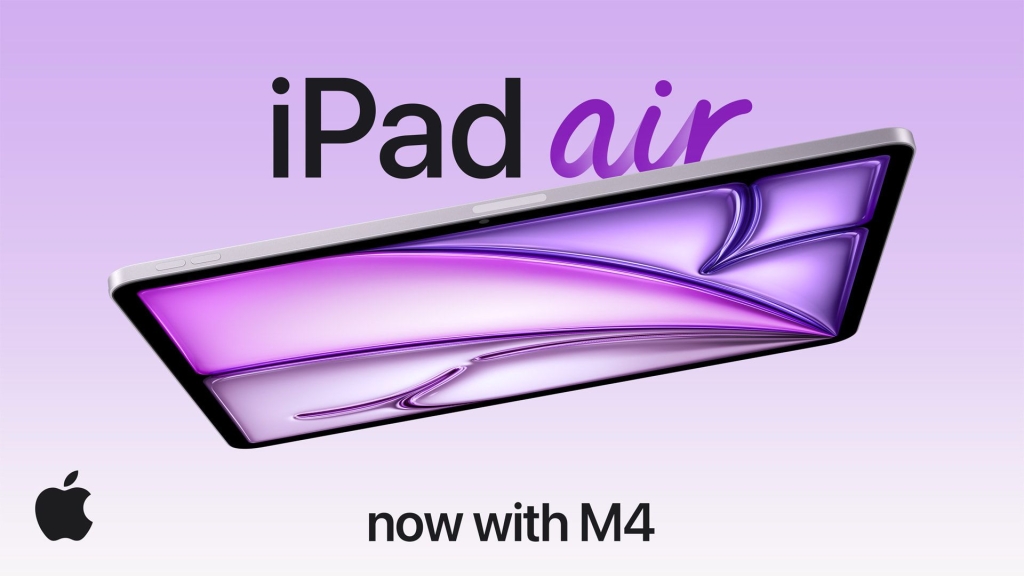
Apple’s Next-Gen iPad Air with M4 Chip Shows Promising Performance Boost in Leaked Benchmarks
In a significant leak ahead of Apple’s highly anticipated product launch, Geekbench benchmark results have surfaced for the upcoming iPad Air models powered by the next-generation M4 chip. The early performance data reveals a modest but notable improvement over the current M3-equipped iPad Air, setting the stage for what could be a compelling upgrade cycle for Apple’s popular tablet lineup.
Performance Gains: What the Numbers Tell Us
The leaked benchmarks, which come from two separate tests of the 13-inch M4 iPad Air with Wi-Fi + Cellular (model iPad16,11), show the new device delivering a 17.3% improvement in single-core performance and a 7.9% boost in multi-core performance compared to its M3 predecessor.
Specifically, the M4 iPad Air achieved single-core scores ranging from 3438 to 3714, averaging at 3576, while multi-core scores ranged from 12296 to 12885, averaging at 12591. For context, the current 13-inch M3 iPad Air averages a single-core score of 3048 and a multi-core score of 11667 on Geekbench.
These improvements, while not revolutionary, represent meaningful real-world performance gains that users will likely notice in everyday tasks, from app launches to multitasking scenarios.
Under the Hood: M4 Architecture Details
The M4 chip in the iPad Air features an 8-core CPU configuration with three performance cores and five efficiency cores, paired with a 9-core GPU. This represents a slight reduction in GPU cores compared to the M4 chip found in the iPad Pro, which can feature up to a 10-core GPU.
It’s worth noting that while both chips share the M4 designation, the iPad Pro version of the M4 offers superior performance with its up to 10-core CPU and 10-core GPU configurations. The iPad Pro’s 13-inch M4 model achieves a single-core score of 3704 and a multi-core score of 13805 on Geekbench, making it approximately 3.6% faster in single-core tasks and 9.6% faster in multi-core workloads compared to the iPad Air M4.
Strategic Chip Differentiation
Apple’s decision to use a slightly scaled-down version of the M4 chip in the iPad Air reflects a broader strategy of product differentiation across its lineup. By offering a more accessible price point with the iPad Air while still delivering meaningful performance improvements, Apple can appeal to a wider range of consumers without cannibalizing sales of the higher-end iPad Pro.
This approach allows Apple to maintain distinct product tiers while still pushing the performance envelope across its entire iPad portfolio. The M4 iPad Air strikes a balance between affordability and capability, potentially making it an attractive option for students, professionals, and casual users who want solid performance without the premium price tag of the Pro models.
What This Means for Users
For the average consumer, the performance improvements offered by the M4 chip translate to tangible benefits in daily use. Applications will launch faster, complex tasks will complete more quickly, and the overall user experience will feel more responsive. The enhanced single-core performance is particularly relevant for tasks that aren’t heavily multi-threaded, such as many productivity applications and web browsing.
The efficiency cores also suggest improved battery life, as these cores can handle lighter workloads while consuming less power. Combined with the potential for better thermal management, users might see extended battery endurance compared to previous generations.
Launch Timeline and Availability
According to the report, the new M4 iPad Air will be available for pre-order at 6:15 a.m. Pacific Time tomorrow, with official launch set for March 11. This follows Apple’s typical product release cadence and gives consumers a clear timeline for when they can expect to get their hands on the new devices.
Market Context and Competition
The iPad Air has consistently occupied a sweet spot in Apple’s tablet lineup, offering many of the features found in the more expensive iPad Pro models at a more accessible price point. With the M4 chip, Apple appears to be strengthening this positioning, potentially making the iPad Air an even more compelling option for users who want premium performance without the Pro-level price tag.
In the broader tablet market, these performance improvements help Apple maintain its competitive edge against Android tablets and Windows-based alternatives. The combination of Apple’s custom silicon, optimized software, and ecosystem integration continues to set the iPad line apart from competitors.
Looking Ahead
While these benchmark results are certainly encouraging, they represent just one aspect of the iPad Air’s overall value proposition. Users will also be looking for improvements in display technology, camera capabilities, connectivity options, and potentially new software features that leverage the M4’s enhanced processing power.
As we approach the official launch, more details about the complete feature set and pricing will likely emerge, giving potential buyers a clearer picture of how the M4 iPad Air stacks up against both its predecessor and the competition.
The leaked benchmarks suggest that Apple’s M4 iPad Air will deliver meaningful performance improvements over the previous generation, solidifying its position as a versatile and capable tablet option. Whether these gains are sufficient to drive upgrades from existing iPad Air users or attract new customers to the Apple ecosystem remains to be seen, but the performance data certainly paints an encouraging picture of what’s to come.
tags: #iPadAir #M4Chip #Apple #Geekbench #Tablet #Performance #Benchmarks #iOS #TechNews
viral: “M4 chip performance leak”, “iPad Air benchmark results”, “Apple silicon upgrade”, “tablet performance boost”, “Geekbench scores revealed”, “next-gen iPad coming soon”, “Apple product launch anticipation”, “M4 vs M3 comparison”, “tablet processing power”, “early performance data”, “tech leak excitement”, “Apple silicon secrets”, “benchmark revelations”, “iPad Pro vs iPad Air”, “chip performance analysis”
,


Leave a Reply
Want to join the discussion?Feel free to contribute!