
First multi-coronavirus vaccine enters human testing, built on UW Medicine technology
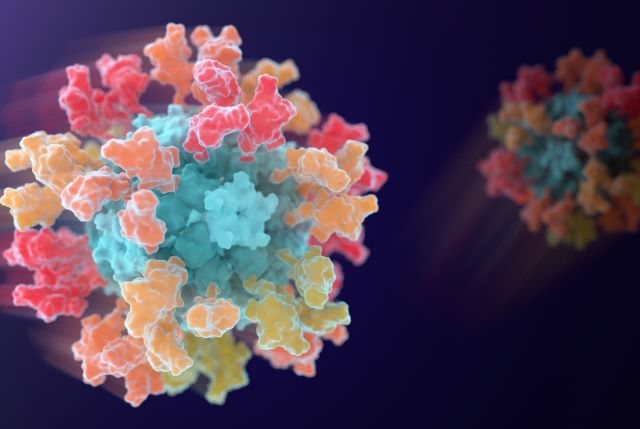
A groundbreaking vaccine designed to protect against multiple coronaviruses—including COVID-19, SARS, and MERS—has entered human clinical trials in Australia, marking a major leap forward in pandemic preparedness. Developed using cutting-edge technology from the University of Washington’s Institute for Protein Design, the vaccine, known as GBP511, represents a bold new approach to fighting not just one virus, but an entire family of deadly pathogens.
Unlike traditional vaccines that target a single strain, GBP511 is engineered to recognize and neutralize a suite of coronaviruses, including those found in animals like bats and camels that have the potential to spark future outbreaks. The vaccine works by attaching pieces of four different coronaviruses to a computer-designed nanoparticle, essentially training the immune system to recognize and attack a wide range of threats at once.
“This is the first vaccine to reach human testing that’s intended to protect against multiple strains of the virus that causes COVID-19, as well as related coronaviruses with the potential to spark dangerous outbreaks,” said Neil King, associate professor of biochemistry at UW Medicine and deputy director of the Institute for Protein Design. King co-invented the self-assembling nanoparticle technology at the heart of the vaccine.
The Institute for Protein Design, led by Nobel Prize-winning chemist David Baker, is renowned for its pioneering work in AI-assisted protein innovation. The GBP511 vaccine is a testament to the power of computational biology, combining advanced algorithms with deep immunological insight to create a vaccine that could change the game in global health security.
The Coalition for Epidemic Preparedness Innovations (CEPI) has invested approximately $65 million in the GBP511 program, underscoring the global importance of this initiative. South Korean pharmaceutical company SK bioscience is leading the clinical trial, building on its previous collaboration with UW researchers on a COVID-19 vaccine that received regulatory approval in South Korea and India.
The Phase 1/2 trial, which began enrolling participants last month, will involve approximately 368 healthy adults in Perth, Western Australia. The study will assess the vaccine’s safety and effectiveness, with results expected by 2028. If successful, GBP511 could pave the way for a new generation of vaccines capable of preventing future pandemics before they start.
“This approach is revolutionary because it presents the immune system with multiple related antigens at once, training it to recognize features that are conserved across the entire sarbecovirus family,” said David Veesler, professor of biochemistry at UW Medicine, who led the preclinical studies.
The implications are profound. By targeting a broad spectrum of coronaviruses, GBP511 could offer protection against both known threats like SARS-CoV-1 and MERS-CoV, as well as emerging viruses that have yet to infect humans. This proactive strategy could dramatically reduce the risk of future pandemics, saving countless lives and billions in economic damage.
As the world continues to grapple with the aftermath of COVID-19, the development of GBP511 offers a glimmer of hope. It’s a powerful reminder that science, innovation, and collaboration can help us stay one step ahead of the next viral threat.
Tags: GBP511, coronavirus vaccine, pandemic preparedness, University of Washington, Institute for Protein Design, SK bioscience, Coalition for Epidemic Preparedness Innovations, Neil King, David Veesler, David Baker, AI-assisted protein innovation, sarbecovirus, COVID-19, SARS, MERS, nanoparticle vaccine, global health security, clinical trials, Western Australia, Perth, viral threats, outbreak prevention
Viral Phrases:
– “First vaccine to protect against multiple coronaviruses enters human trials”
– “Revolutionary nanoparticle technology could prevent future pandemics”
– “AI-designed vaccine targets entire family of deadly viruses”
– “Game-changing approach to global health security”
– “Science stays one step ahead of the next viral threat”
– “Computer-designed vaccine could save millions of lives”
– “Breakthrough in pandemic preparedness”
– “Cutting-edge protein design meets global health”
– “The future of vaccines is here”
– “Protecting against today’s and tomorrow’s viruses”,


Leave a Reply
Want to join the discussion?Feel free to contribute!