
‘Flying Cars’ Will Take Off in American Skies This Summer
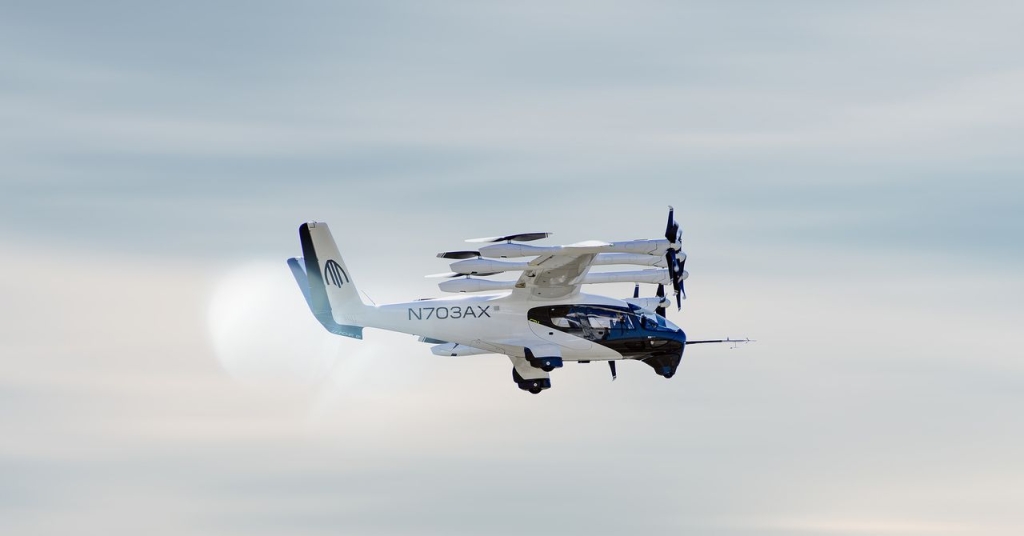
The Future is Now: Flying Cars Take Off in the US This June
In a groundbreaking announcement that feels straight out of a sci-fi movie, the US Department of Transportation has revealed that new types of aircraft, often referred to as “flying cars,” will begin operating in American airspace as early as June. These innovative vehicles, which can take off and land with minimal space like helicopters but function more like airplanes, are set to revolutionize urban transportation and logistics.
The federal government has selected eight regions across the United States to participate in a three-year pilot program. These areas include major metropolitan hubs such as New York and New Jersey, Texas, Florida, and Albuquerque, New Mexico. This initiative will allow new aircraft designs to ferry passengers and cargo around the country even before they receive full certifications from the Federal Aviation Administration (FAA).
The companies developing these cutting-edge technologies claim that their aircraft are quieter, more cost-effective, and produce fewer emissions compared to traditional helicopters or airplanes. Some even promise fully autonomous trips, potentially transforming the way we think about commuting and transportation.
These new aircraft, including electric vertical takeoff and landing (eVTOL) vehicles and ultra-short takeoff aircraft, require significantly less space to operate. They can land and take off outside of traditional airports, closer to where people live and work. This proximity could dramatically reduce travel times between neighboring cities, potentially reshaping local economies and urban planning.
Adam Goldstein, CEO and founder of Archer Aviation, one of the firms involved in the project, likened the federal pilot program to “our Waymo moment” during an earnings call with investors. He envisions a future where half a million people in major US cities will start seeing these aircraft as part of their everyday commute, much like how autonomous vehicles from companies like Waymo have become increasingly common.
Archer’s electric air taxi, named Midnight, is designed to carry up to four passengers on trips lasting 60 to 90 minutes. The company will participate in pilot projects in Texas, Florida, and New York. Goldstein told investors that Midnight would complete another crucial step toward certification in the coming quarters. Archer has secured funding from automaker Stellantis and United Airlines, highlighting the growing interest from established players in the transportation industry.
Other companies involved in these pilot projects include Beta Technologies, a manufacturer of small electric planes; Joby Aviation, an air taxi maker funded by Toyota and JetBlue; and Electra, which is developing a hybrid electric ultra-short aircraft. All four of these firms have already completed test flights in the United States, demonstrating the rapid progress being made in this field.
Marc Allen, CEO of Electra, expressed his enthusiasm for the pilot program, stating, “What we love about the pilot is the chance to demonstrate that this is not fantasy. It’s not science fiction. It’s in the real world.” This sentiment encapsulates the excitement and potential of this new era in transportation.
As these flying cars prepare to take to the skies, they promise to bring about a paradigm shift in how we think about urban mobility, logistics, and even city design. The successful implementation of these technologies could lead to reduced traffic congestion, lower carbon emissions, and a reimagining of our urban landscapes.
However, challenges remain. The integration of these new aircraft into existing air traffic control systems, public acceptance, and regulatory hurdles will all need to be addressed. Moreover, the economic viability of these services and their accessibility to the general public are questions that will need to be answered as the technology matures.
Despite these challenges, the prospect of flying cars becoming a reality is closer than ever before. As the June launch date approaches, anticipation builds for what could be the most significant leap in transportation technology since the advent of the automobile.
This development marks a pivotal moment in the history of transportation, blurring the lines between science fiction and reality. As these flying cars take to the skies, they carry with them the potential to reshape our cities, our economies, and our daily lives in ways we are only beginning to imagine.
#FlyingCars #eVTOL #UrbanAirMobility #FutureOfTransportation #Innovation #Technology #Aviation #ElectricAircraft #AutonomousFlight #SmartCities
Flying cars are no longer a dream
The future of urban mobility is here
Revolutionizing transportation as we know it
Sky’s the limit for new aircraft technology
Autonomous air taxis coming to a city near you
Electric vertical takeoff and landing vehicles
Ultra-short takeoff aircraft changing the game
Reducing traffic congestion from above
Eco-friendly flying cars take flight
Transforming cityscapes and skylines
The Jetsons’ world becomes reality
Airborne commuting: the next big thing
Redefining urban logistics and delivery
Breaking barriers in aviation technology
Sky-high potential for economic growth
Flying cars: science fiction becomes science fact
Autonomous flight paves the way for new possibilities
Electric aircraft leading the charge in green transportation
Ultra-short takeoff and landing: the key to urban air mobility
From concept to reality: the journey of flying cars
Revolutionizing emergency services with aerial response
The dawn of a new era in personal transportation
Flying cars: not just for the rich and famous anymore
Overcoming regulatory hurdles for a sky-high future
The impact of flying cars on real estate and urban planning
Flying cars: changing the way we think about distance and time
The race to dominate the flying car market heats up
Public perception: from skepticism to acceptance of flying cars
The role of AI in making autonomous flying cars a reality
Battery technology: the key to unlocking long-range electric flight
Noise reduction: making flying cars acceptable in urban environments
Safety first: the rigorous testing of new aircraft technologies
The economic implications of widespread flying car adoption
Flying cars and the future of work: reimagining the daily commute
The environmental impact of electric aircraft on urban air quality
Infrastructure challenges: building the skyports of tomorrow
The convergence of automotive and aerospace industries
Flying cars: a solution to growing urbanization and population density
The potential for flying cars to revolutionize disaster response
From Silicon Valley to Main Street: the democratization of flight
The psychological barriers to accepting autonomous air travel
Flying cars: bridging the gap between ground and air transportation
The role of 5G and IoT in enabling smart air traffic management
Cybersecurity concerns in an era of connected flying vehicles
The impact of flying cars on traditional aviation and airport industries
Flying cars: a new frontier for luxury travel and experiences
The potential for flying cars to revolutionize rural connectivity
Addressing the digital divide in access to flying car technology
The future of warfare: military applications of flying car technology
Flying cars and the evolution of smart city ecosystems
The potential for flying cars to reshape global tourism and travel
Ethical considerations in the age of autonomous aerial vehicles
Flying cars: the ultimate test of human-machine collaboration
The role of government in fostering innovation in flying car technology
From niche to mainstream: the mass adoption of flying cars
The potential for flying cars to revolutionize last-mile delivery
Flying cars and the future of sports: aerial racing and entertainment
The impact of flying cars on traditional taxi and ride-sharing services
Addressing privacy concerns in an era of widespread aerial surveillance
The potential for flying cars to revolutionize search and rescue operations
Flying cars: a new frontier for architectural and urban design
The role of big data in optimizing flying car routes and operations
The potential for flying cars to reshape global supply chains
Flying cars and the future of education: aerial field trips and learning experiences
The impact of flying cars on traditional notions of property and airspace rights
Flying cars: a new frontier for extreme sports and adventure tourism
The potential for flying cars to revolutionize film and media production
Addressing the skills gap: training the next generation of flying car pilots and technicians
The role of flying cars in achieving sustainable development goals
Flying cars: a new frontier for art and creative expression
The potential for flying cars to revolutionize space exploration and tourism
The impact of flying cars on traditional notions of national borders and sovereignty
Flying cars: a new frontier for medical emergencies and organ transport
The role of flying cars in shaping the future of smart and sustainable cities
Addressing the potential for increased inequality in access to flying car technology
The potential for flying cars to revolutionize the concept of “work from anywhere”
Flying cars: a new frontier for scientific research and environmental monitoring
The impact of flying cars on traditional notions of privacy and personal space
The role of flying cars in shaping the future of global trade and commerce
Addressing the potential for increased noise pollution from widespread flying car use
The potential for flying cars to revolutionize the concept of “third places” and community spaces
Flying cars: a new frontier for cultural exchange and global understanding
The impact of flying cars on traditional notions of time and distance
The role of flying cars in shaping the future of education and lifelong learning
Addressing the potential for increased energy consumption from widespread flying car use
The potential for flying cars to revolutionize the concept of “slow travel” and experiential tourism
Flying cars: a new frontier for philanthropy and humanitarian aid
The impact of flying cars on traditional notions of work-life balance and quality of life
The role of flying cars in shaping the future of entertainment and media consumption
Addressing the potential for increased light pollution from widespread flying car use
The potential for flying cars to revolutionize the concept of “digital nomadism” and remote work
Flying cars: a new frontier for space colonization and interplanetary travel
The impact of flying cars on traditional notions of community and social interaction
The role of flying cars in shaping the future of art, design, and creative industries
Addressing the potential for increased electromagnetic interference from widespread flying car use
The potential for flying cars to revolutionize the concept of “agile development” and rapid prototyping
Flying cars: a new frontier for diplomacy and international relations
The impact of flying cars on traditional notions of national identity and cultural heritage
The role of flying cars in shaping the future of philosophy and human thought
Addressing the potential for increased visual pollution from widespread flying car use
The potential for flying cars to revolutionize the concept of “lifelong learning” and continuous education
Flying cars: a new frontier for spirituality and personal growth
The impact of flying cars on traditional notions of family and social structures
The role of flying cars in shaping the future of ethics and moral philosophy
Addressing the potential for increased psychological stress from widespread flying car use
The potential for flying cars to revolutionize the concept of “mindfulness” and mental well-being
Flying cars: a new frontier for consciousness and human potential
The impact of flying cars on traditional notions of mortality and the human lifespan
The role of flying cars in shaping the future of artificial intelligence and machine learning
Addressing the potential for increased existential anxiety from widespread flying car use
The potential for flying cars to revolutionize the concept of “transhumanism” and human enhancement
Flying cars: a new frontier for the search for extraterrestrial intelligence
The impact of flying cars on traditional notions of reality and virtual reality
The role of flying cars in shaping the future of quantum computing and advanced physics
Addressing the potential for increased cosmic awareness from widespread flying car use
The potential for flying cars to revolutionize the concept of “simulation theory” and the nature of reality
Flying cars: a new frontier for the exploration of consciousness and the nature of the self
The impact of flying cars on traditional notions of free will and determinism
The role of flying cars in shaping the future of cosmology and our understanding of the universe
Addressing the potential for increased philosophical inquiry from widespread flying car use
The potential for flying cars to revolutionize the concept of “the meaning of life” and human purpose
Flying cars: a new frontier for the exploration of parallel universes and multiverse theory
The impact of flying cars on traditional notions of time, space, and causality
The role of flying cars in shaping the future of metaphysics and the fundamental nature of reality
Addressing the potential for increased spiritual awakening from widespread flying car use
The potential for flying cars to revolutionize the concept of “enlightenment” and human evolution
Flying cars: a new frontier for the exploration of consciousness and the nature of existence
The impact of flying cars on traditional notions of good and evil, right and wrong
The role of flying cars in shaping the future of epistemology and the nature of knowledge
Addressing the potential for increased mystical experiences from widespread flying car use
The potential for flying cars to revolutionize the concept of “the ultimate reality” and the nature of God
Flying cars: a new frontier for the exploration of the human soul and the afterlife
The impact of flying cars on traditional notions of fate, destiny, and divine intervention
The role of flying cars in shaping the future of ontology and the nature of being
Addressing the potential for increased existential questioning from widespread flying car use
The potential for flying cars to revolutionize the concept of “the great mystery” and the unknown
Flying cars: a new frontier for the exploration of consciousness and the nature of reality itself,


Leave a Reply
Want to join the discussion?Feel free to contribute!