
For $1M, you can pay Bryan Johnson (or BryanAI?) to teach you how to live longer
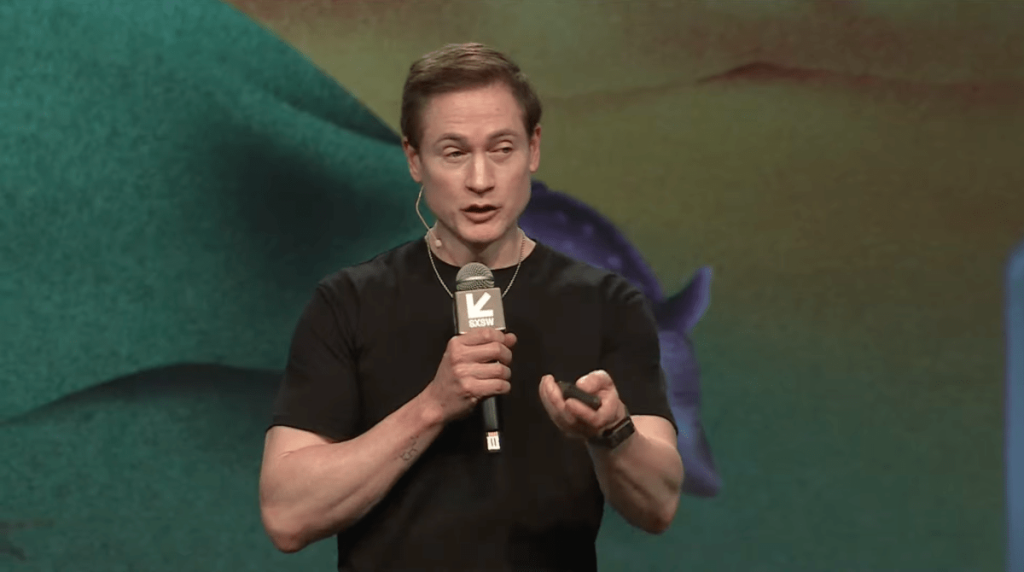
The $1 Million Quest for Immortality: Bryan Johnson’s “Immortals” Program Sparks Outrage and Intrigue
February 14, 2026 – In an audacious move that has sent shockwaves through both the tech world and the longevity community, 47-year-old tech entrepreneur Bryan Johnson has unveiled his most exclusive offering yet: a $1 million-per-year program called “Immortals” that promises to reverse aging using the exact protocols that have kept him biologically younger than his chronological age.
The announcement, made via Johnson’s X account on February 12th, immediately went viral, with tech enthusiasts, biohackers, and critics alike weighing in on what many are calling the ultimate flex of Silicon Valley excess.
The Price of Perpetual Youth
For the eye-watering sum of one million dollars annually, Johnson’s program offers:
- A dedicated concierge team available 24/7
- “BryanAI” – an artificial intelligence trained on Johnson’s personal health data and protocols
- Extensive biological testing and millions of data points tracking
- Continuous health monitoring
- Premium skin and hair rejuvenation protocols
- Access to cutting-edge therapies not available to the general public
“Only three spots available,” Johnson emphasized in his announcement, creating an artificial scarcity that has only fueled demand speculation.
The Man Behind the Movement
Bryan Johnson, who made his fortune selling his payment processing company Braintree to PayPal for $800 million in 2013, has spent the last five years pursuing what he calls “Project Blueprint” – a rigorous regimen of diet, exercise, supplements, and medical interventions designed to reverse his biological age.
The 47-year-old claims his body now functions like that of an 18-year-old, though independent verification of these claims remains elusive. His methods have included everything from strict vegan diets and intense exercise regimens to more controversial practices like receiving blood transfusions from his 17-year-old son.
Johnson’s journey into longevity has been well-documented, from his appearance on the “Diary of a CEO” podcast to his controversial decision to livestream himself taking psychedelic mushrooms “for science.” He’s also made headlines for receiving Botox injections in his genitals – a procedure he claims improves sexual function and overall vitality.
Silicon Valley’s Billionaire Obsession with Beating Death
Johnson isn’t alone in his quest to outsmart mortality. The ultra-wealthy have increasingly turned to longevity science as the ultimate status symbol and investment opportunity.
John Hering, a major backer of Elon Musk, co-founded Biograph, a preventative health and diagnostics clinic with a premium membership costing $15,000 annually. Fountain Life, backed by Tony Robbins and Peter Diamandis, has raised $108 million to fund its “ultimate longevity program” at $21,500 per year.
Even OpenAI CEO Sam Altman has invested millions into retro Biosciences, a company focused on extending human lifespan through cellular reprogramming.
The competition among these longevity ventures has created what some call a “death race” among billionaires, each trying to outspend and outperform the others in the quest for eternal youth.
The Science (and Skepticism) Behind the Claims
While Johnson’s dedication to health optimization is undeniable, many scientists remain skeptical of his more extreme claims.
Dr. Elena Rodriguez, a gerontologist at Stanford University, told TechCrunch: “While lifestyle interventions can certainly improve healthspan and potentially lifespan, the idea that we can reverse aging by decades is not supported by current scientific evidence. Much of what Johnson promotes falls into the category of biohacking rather than established medical science.”
Critics point out that Johnson’s biological age measurements rely on proprietary algorithms and testing methods that haven’t been peer-reviewed or independently verified. His claim of having the heart of a 37-year-old, the skin of a 28-year-old, and the lung capacity of an 18-year-old are based on metrics developed by his own team.
The Ethical Quandaries
Beyond the scientific questions, Johnson’s program raises significant ethical concerns. At a time when basic healthcare remains inaccessible to millions of Americans, the idea of spending $1 million per year on personal longevity treatments strikes many as obscene.
“This is the ultimate expression of techno-solutionism,” argues Dr. Marcus Chen, a bioethicist at Harvard Medical School. “The belief that money can solve any problem, including mortality itself. But longevity shouldn’t be a luxury good available only to the ultra-wealthy.”
There are also concerns about the psychological impact of pursuing immortality. Johnson himself has admitted to struggling with anxiety and depression related to his health obsession, and mental health professionals worry about the message this sends to followers who may develop unhealthy relationships with aging and death.
The Business of Not Dying
Despite the criticism, Johnson’s business acumen is evident. His Blueprint program already sells supplements, olive oil, and other health products to thousands of followers. The Immortals program represents a natural evolution – offering the ultra-wealthy the chance to essentially buy their way into Johnson’s personal health regimen.
The three-spot limitation serves multiple purposes: it creates exclusivity, manages Johnson’s capacity to personally oversee participants, and generates massive publicity. Industry insiders speculate that Johnson could easily fill dozens of these spots at the same price point.
What $1 Million Actually Buys
For context, $1 million could alternatively:
- Fund a community health center serving thousands of patients annually
- Provide college scholarships for 20 students
- Support small business development in underserved communities
- Fund significant medical research into age-related diseases
Instead, it will buy three wealthy individuals the right to follow Bryan Johnson around while he takes his 100 daily supplements and undergoes regular medical testing.
The Cultural Impact
Whether or not Johnson’s program succeeds in extending life, it has already succeeded in capturing the cultural imagination. The juxtaposition of Silicon Valley’s technological optimism with humanity’s oldest fear – death – creates compelling narrative tension.
Social media has been ablaze with reactions ranging from admiration to outright mockery. Memes depicting Johnson as a modern-day Ponce de León searching for the fountain of youth have gone viral, as have satirical takes on what else $1 million could purchase.
The Future of Longevity
As genetic engineering, cellular reprogramming, and AI-driven health optimization advance, the line between science fiction and medical reality continues to blur. Johnson’s program, regardless of its scientific merit, represents a cultural moment where the quest for immortality has moved from mythology to marketable product.
The question remains: Will the three individuals wealthy enough to afford Immortals actually live longer, or will they simply have spent $1 million to feel like they’re cheating death?
As one X user commented: “Bryan Johnson found a way to monetize FOMO about mortality itself. That’s either genius or terrifying, or both.”
Tags: #BryanJohnson #Immortals #Longevity #AntiAging #Biohacking #SiliconValley #TechMillionaires #HealthOptimization #ProjectBlueprint #FutureOfMedicine #LifeExtension #WealthInequality #MedicalEthics #Bioethics #LifeHacks #ExtremeWellness #Immortality #BillionaireLifestyle #HealthTech #FutureTrends #CuttingEdgeScience #WellnessIndustry #ExclusiveMemberships #HealthObsession #DeathDefiance #ScientificControversy #TechCulture #ModernMedicine #BiologicalAge #YouthPreservation
Viral Sentences:
“Bryan Johnson is selling eternity for $1 million a year, and Silicon Valley is already lining up to buy it.”
“The ultimate flex: paying more to not die than most people earn in a lifetime.”
“Johnson found a way to monetize FOMO about mortality itself.”
“When your olive oil costs more than a luxury car, you might be taking wellness too far.”
“The three people who can afford this will either live forever or die trying.”
“Johnson’s program proves that in Silicon Valley, even death is just another problem to be hacked.”
“For $1 million a year, you too can obsess about aging as much as a 47-year-old tech millionaire.”
“The real question isn’t whether this works, but who has $1 million to find out?”
“Johnson turned the fear of death into the world’s most exclusive subscription service.”
“In the future, the rich won’t just be richer—they’ll be older too, but with better skin.”
“Living forever has never been more expensive, or more exclusive.”
“Johnson’s program is what happens when you combine unlimited money with unlimited health anxiety.”
“The ultimate status symbol isn’t a yacht or a private jet—it’s biological youth.”
“For the price of a small house per year, you can pretend aging doesn’t exist.”
“Johnson proved that in the longevity race, the finish line keeps moving further away.”
“The only thing more exclusive than Johnson’s program is the healthcare most Americans can’t access.”
“When death becomes optional, only the wealthy get to choose.”
“Johnson’s program isn’t anti-aging—it’s pro-wealth.”
“The real biohack isn’t living longer; it’s convincing others to pay you millions to try.”
“In Johnson’s world, wrinkles are just another problem that money can solve.”
,


Leave a Reply
Want to join the discussion?Feel free to contribute!