
Ford and Xiaomi deny report on U.S. EV joint venture talks · TechNode
Ford and Xiaomi Slam Denial of Reported U.S. EV Partnership Talks
In a dramatic twist that sent shockwaves through the global automotive and tech sectors, both Ford Motor Company and Chinese tech giant Xiaomi have forcefully denied a Financial Times report suggesting the two firms were in preliminary talks to form a joint venture for electric vehicle manufacturing in the United States.
The explosive claim, which also alleged that Ford had explored cooperation with Chinese EV leader BYD, was quickly labeled “completely false” by Ford in a terse public statement. Xiaomi, for its part, clarified it is not currently negotiating any sales or service expansions into the U.S. market, directly contradicting the report’s implications of deeper strategic engagement.
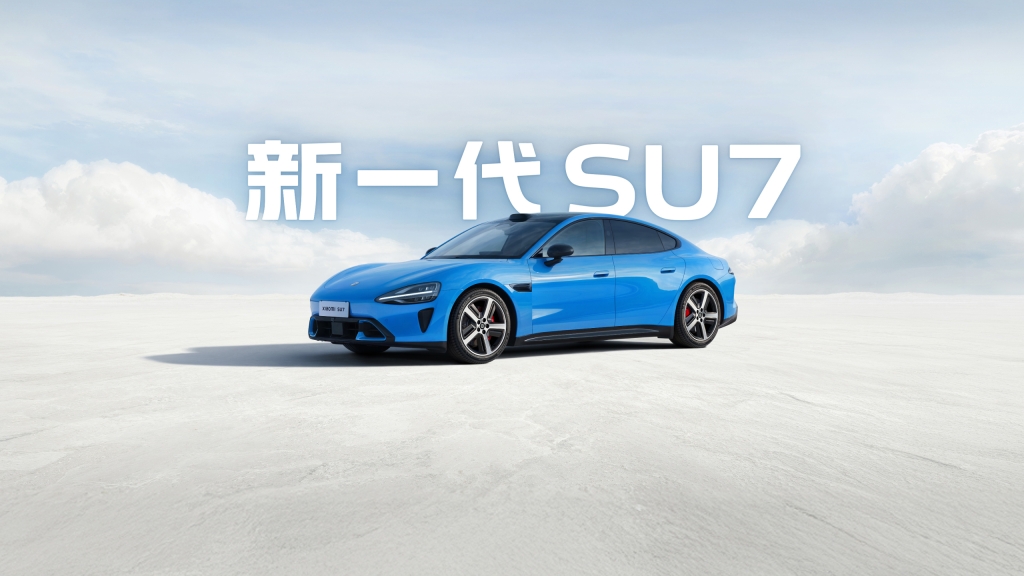
According to the Financial Times, citing four unnamed sources with knowledge of the discussions, Ford CEO Jim Farley had personally praised Xiaomi’s SU7 electric sedan—a sleek, high-performance model that has become a sensation in China—and even imported one for personal use. The report positioned these interactions as potential precursors to a broader manufacturing collaboration, possibly aimed at accelerating Ford’s EV ambitions in North America through Xiaomi’s software prowess and supply chain expertise.
However, both companies moved swiftly to quash the speculation. Ford’s denial was unambiguous: the story was “completely false.” Xiaomi’s response was more nuanced but equally clear in its intent, emphasizing the absence of any active negotiations related to U.S. market entry or joint manufacturing ventures.
The timing of the report is particularly sensitive. Ford is in the midst of a major restructuring of its electric vehicle operations, including significant layoffs and a strategic pivot toward more affordable, software-driven models. Meanwhile, Xiaomi has been rapidly expanding its automotive footprint, with the SU7 emerging as a serious contender in China’s fiercely competitive EV market. Any hint of a U.S. partnership—especially one involving a Chinese firm—would inevitably attract scrutiny amid ongoing geopolitical tensions and national security concerns over Chinese technology.
Industry analysts note that while the specifics of the reported talks may be unfounded, the underlying narrative reflects a broader trend: traditional automakers are increasingly seeking alliances with tech firms to stay competitive in the EV race. Whether or not Ford and Xiaomi were ever in serious discussions, the rumor alone underscores the high stakes and intense interest surrounding cross-sector EV collaborations.
For now, both companies appear focused on their respective strategies—Ford doubling down on its North American EV roadmap, and Xiaomi consolidating its gains in China before considering any international expansion. Yet the rumor mill is unlikely to stop spinning, especially given Farley’s well-documented enthusiasm for Xiaomi’s automotive efforts.
As the dust settles, one thing is clear: in the fast-moving world of electric vehicles, even unfounded reports can spark global speculation—and swift corporate denials.
tags
Ford denies EV partnership with Xiaomi
Xiaomi SU7
Ford and BYD talks
Jim Farley Xiaomi
Electric vehicle manufacturing USA
Ford EV strategy
Xiaomi automotive expansion
Chinese EV companies
Global EV market news
Tech and auto industry rumors
Ford restructuring layoffs
Xiaomi SU7 review
US-China tech tensions
Automotive joint ventures
Electric vehicle collaboration
,


Leave a Reply
Want to join the discussion?Feel free to contribute!