
Forever chemical TFA has tripled due to ozone-preserving refrigerants
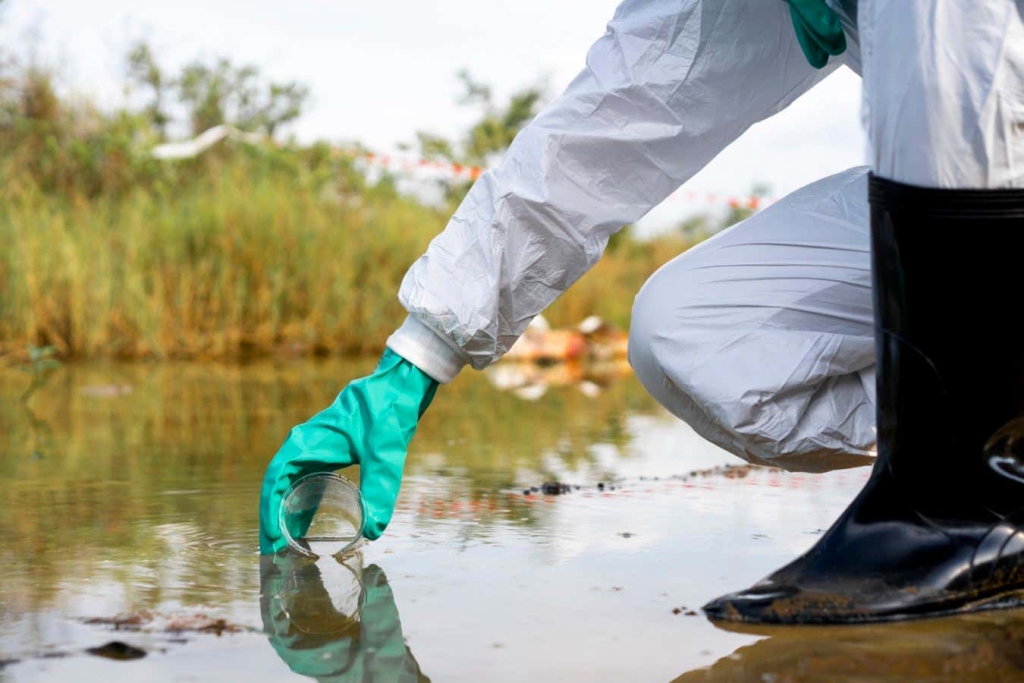
New Research Reveals Alarming Rise of Toxic “Forever Chemical” in Global Environment
A potentially harmful “forever chemical” known as trifluoroacetic acid (TFA) has surged dramatically in the global environment over the past two decades, according to groundbreaking new research that has scientists sounding the alarm about its long-term impacts.
The study, led by environmental scientist Lucy Hart at Lancaster University, reveals that TFA levels in the atmosphere have skyrocketed from 6,800 tonnes per year in 2000 to a staggering 21,800 tonnes annually by 2022. This threefold increase is directly linked to refrigerants that were introduced to replace ozone-depleting substances, creating an unexpected environmental consequence that could persist for centuries.
The Hidden Cost of Saving the Ozone Layer
The story begins in the late 20th century when chlorofluorocarbons (CFCs) were discovered to be creating a dangerous hole in Earth’s protective ozone layer. These chemicals, found in everything from refrigerators to aerosol sprays, were banned in 1989 under the Montreal Protocol, widely considered one of the most successful environmental treaties in history.
CFCs were replaced primarily by hydrofluorocarbons (HFCs), which don’t damage the ozone layer but have their own problems. When HFCs interact with hydroxyl radicals in the atmosphere, they break down into TFA and other compounds. The situation has become even more concerning with the introduction of hydrofluoroolefins (HFOs), the latest generation of refrigerants that are now found in hundreds of millions of vehicles worldwide.
A Chemical That Won’t Go Away
What makes TFA particularly troubling is its persistence in the environment. Unlike many pollutants that break down relatively quickly, TFA is extremely stable and can remain in ecosystems for decades or even centuries. It accumulates in soil and surface water, eventually making its way to the oceans where it becomes trapped in sediments.
The chemical has already been detected in ice core samples from northern Canada and Svalbard, showing increasing concentrations since the 1970s. More alarmingly, a 2020 study found high levels of TFA in the blood of 90% of people tested in China, highlighting how this chemical is already entering the human body through various exposure routes.
Potential Health and Environmental Risks
While the current levels of TFA in the environment remain below established safety thresholds, the long-term health effects are still poorly understood. Laboratory studies have shown concerning results: TFA caused eye deformities in most rabbit fetuses exposed to the chemical in controlled trials. The European Union has already classified TFA as harmful to aquatic life and is considering whether to designate it as toxic to human reproduction.
Environmental scientist Lucy Carpenter from the University of York emphasizes the urgency of the situation: “It’s shocking that we’re emitting large amounts of a chemical into the environment that we have a very poor understanding of its impacts, and it’s irreversible basically.”
The Accelerating Problem
The research team’s atmospheric modeling reveals that TFA production could more than double by 2050, even without considering the impact of HFOs. When HFO-1234yf, the refrigerant now used in millions of vehicles, is factored in, TFA production could increase by more than 20 times by mid-century.
This rapid acceleration is particularly concerning because TFA concentrations are expected to continue rising as existing HFCs slowly break down in the atmosphere over several decades. The chemical’s persistence means that even if we stopped all emissions today, TFA levels would continue to increase for years to come.
Looking for Solutions
The scientific community is calling for a comprehensive reassessment of refrigerant alternatives. While returning to CFCs is not an option, and HFCs must still be phased out due to their significant global warming potential, the replacements need careful scrutiny.
Natural refrigerants like ammonia and carbon dioxide offer promising alternatives that don’t produce TFA or other persistent byproducts. Ammonia has already proven effective in industrial cooling applications, while carbon dioxide is gaining traction as a viable option for various cooling needs.
A Call for Action
The researchers emphasize that this situation represents a critical opportunity to break the cycle of adopting chemicals with unintended consequences. Unlike HFCs, which can persist in the atmosphere for years, HFOs break down within days. This means that if we act quickly to address the TFA problem, we have the potential to significantly reduce its production and accumulation.
“The good news is that we have control over this situation,” Hart explains. “If we stop emitting these precursor chemicals, TFA production will decrease very quickly. But we need to act now before the problem becomes even more severe.”
The European Union is currently developing proposals for a ban on forever chemicals, including TFA, though the process has faced criticism for potential conflicts of interest. Meanwhile, environmental advocates stress the importance of independent research and transparent decision-making to ensure that future chemical replacements don’t create new environmental crises.
As the world continues to grapple with climate change and environmental protection, this research serves as a stark reminder that solutions to one problem can sometimes create new challenges. The key lies in taking a holistic approach to chemical management, considering not just immediate benefits but long-term environmental and health impacts.
The scientific community is now calling for increased funding for TFA research, stricter regulations on HFO emissions, and accelerated development of truly sustainable cooling technologies. With the right approach, it may still be possible to prevent TFA from becoming an even more widespread environmental contaminant while continuing to protect both the ozone layer and the climate.
TFA #ForeverChemicals #EnvironmentalCrisis #ClimateChange #OzoneLayer #Refrigerants #ToxicChemicals #PublicHealth #EnvironmentalScience #ChemicalSafety #Sustainability #GreenTechnology #Pollution #AtmosphericScience #EnvironmentalPolicy #ClimateAction #EcoFriendly #CleanTechnology #GreenLiving #EnvironmentalAwareness #ChemicalRegulation #FutureOfCooling #SustainableSolutions #EnvironmentalProtection #ToxicExposure #ClimateCrisis #GreenInnovation #EnvironmentalResearch #ChemicalAlternatives #EcoConscious #ClimateSolutions #EnvironmentalJustice #GreenEnergy #SustainableDevelopment #ClimateEmergency #EnvironmentalHealth #ChemicalSafety #GreenFuture #ClimateMitigation #EnvironmentalConservation #ToxicFree #ClimateResilience #GreenTechnology #EnvironmentalSustainability #ClimateSolutions #GreenInnovation #EnvironmentalProtection #ToxicFreeFuture #ClimateActionNow #GreenRevolution #EnvironmentalStewardship #ClimateLeadership #GreenEconomy #EnvironmentalAccountability #ClimateSolutions #GreenTransition #EnvironmentalResponsibility #ClimateProgress #GreenTransformation #EnvironmentalStewardship #ClimateLeadership #GreenEconomy #EnvironmentalAccountability #ClimateSolutions #GreenTransition #EnvironmentalResponsibility #ClimateProgress #GreenTransformation
,


Leave a Reply
Want to join the discussion?Feel free to contribute!